Welcome To SAS Points — Your One-Stop IT Solutions Provider
Welcome To SAS Points — Your One-Stop IT Solutions Provider
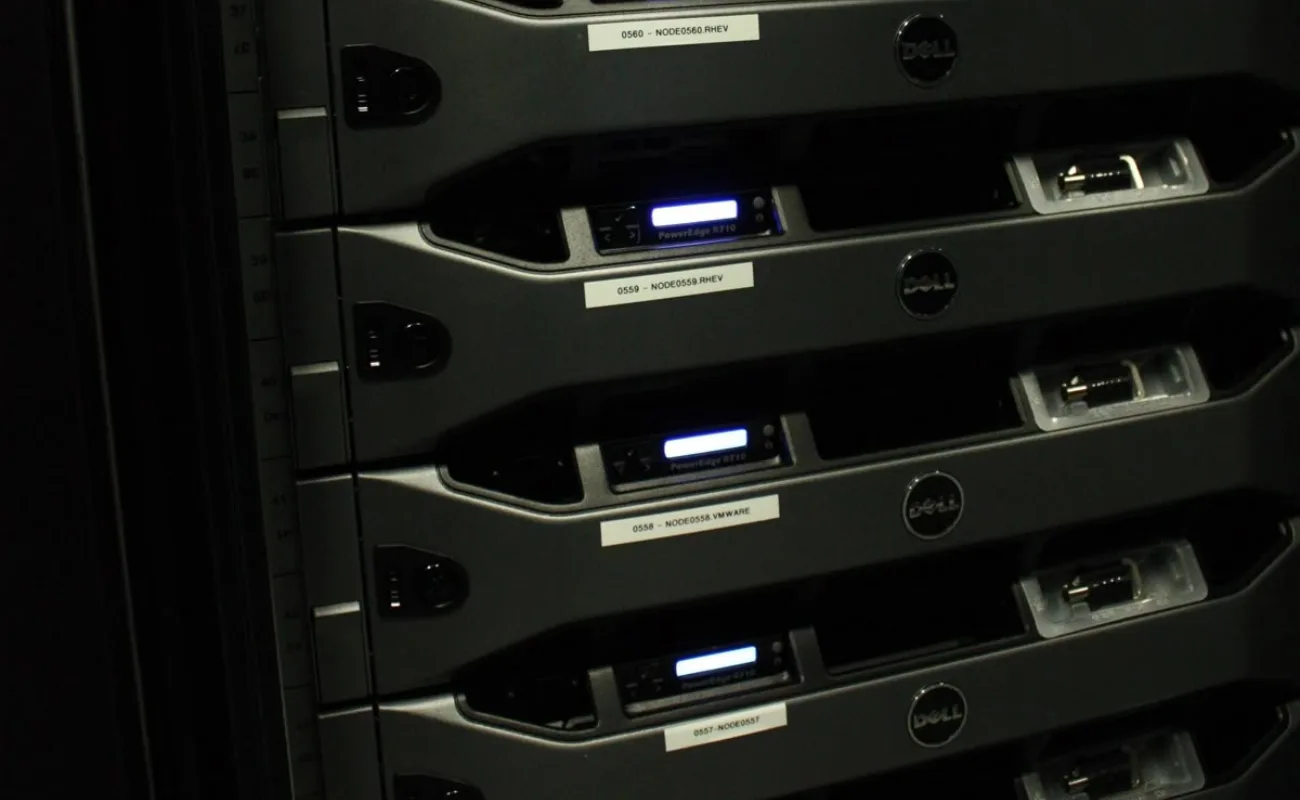
In today’s digital-first economy, scalability has become a key factor in designing modern IT systems. Businesses across Egypt and the MENA region are experiencing exponential data growth, driven by cloud computing, AI, big data analytics, and digital transformation initiatives.
Traditional server setups often struggle to handle these increasing workloads. They consume more space, require complex cabling, and lack the agility needed for rapid expansion.
To overcome these challenges, enterprises are shifting towards blade server infrastructure — a compact, modular, and high-performance solution that delivers both scalability and efficiency. Blade servers allow IT departments to scale easily, optimize power and cooling, and maintain centralized control — all within a smaller physical footprint.
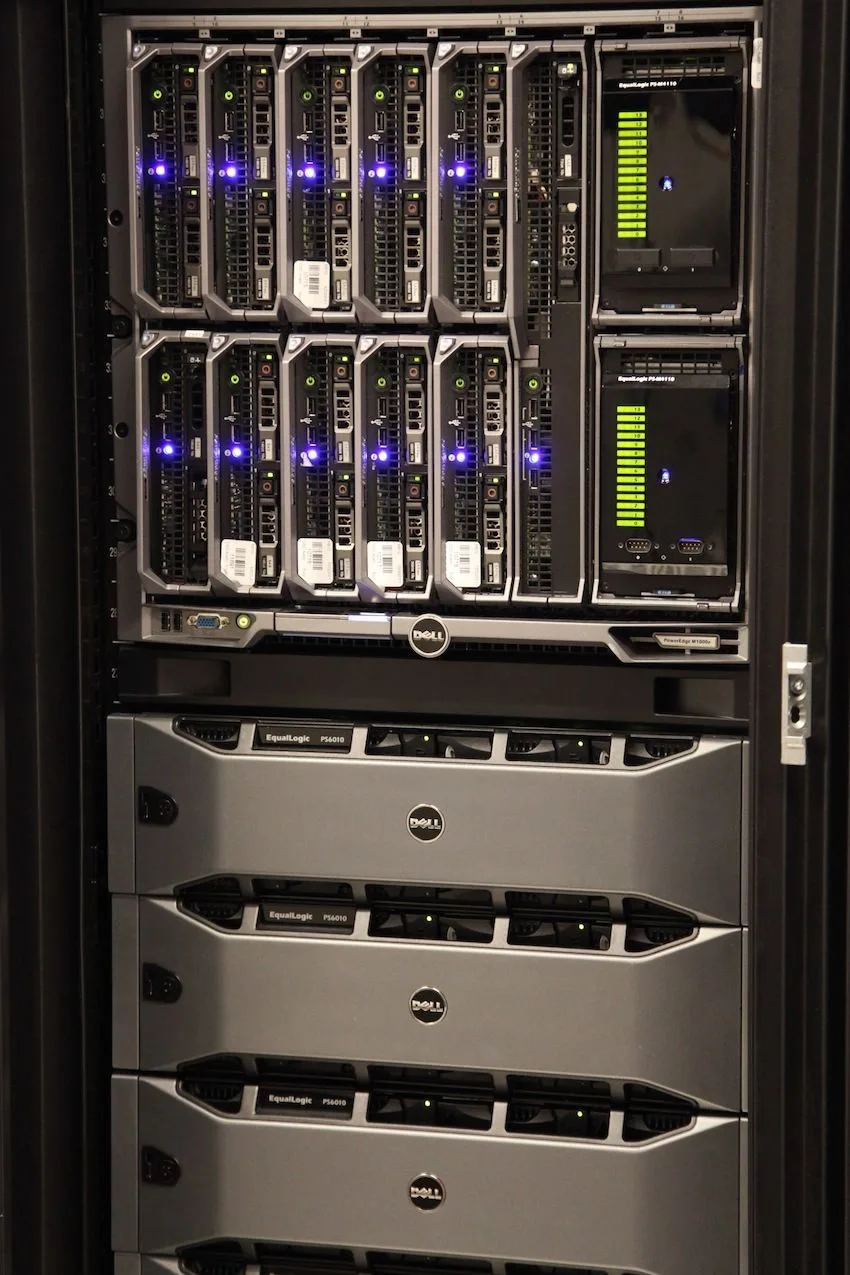
A blade server is a compact, modular system that fits into an enclosure called a chassis, which houses multiple server blades. Each blade functions as an independent server, complete with its own processors, memory, and storage, while sharing power, cooling, and networking with other blades in the chassis.
This design enables high-density computing, centralized management, and reduced hardware redundancy — all key elements of a scalable infrastructure.
Chassis: The main enclosure that provides shared power, cooling, and connectivity to multiple blade servers.
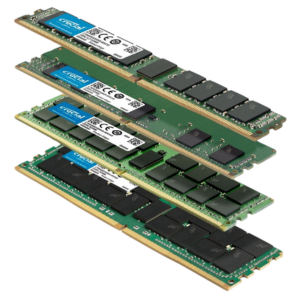
Server Blades: Individual modules containing CPUs, RAM, and storage, each operating as a standalone system.
Networking Modules: Integrated switches or interconnects for communication within the chassis and to external networks.
Power and Cooling Units: Shared resources that improve energy efficiency and minimize operational costs.
Management Software: Tools that allow centralized monitoring, configuration, and updates across all blades.
Scalability is the defining feature of blade architecture. The modular nature of blade systems makes it easy for IT teams to expand computing capacity without overhauling the entire infrastructure.
Enterprises can scale vertically by upgrading components (CPU, RAM, storage) or horizontally by adding new blades. This allows flexibility to meet workload demands without major disruptions.
Through integrated management platforms, administrators can oversee multiple servers, perform firmware updates, and deploy new workloads quickly — all from a single interface.
Because power, cooling, and networking are shared, overall energy and maintenance costs drop significantly. The infrastructure grows seamlessly as business demands increase.
Adding new servers is fast and straightforward. IT teams can install and configure new blades within minutes, making blade systems ideal for dynamic environments like cloud hosting, virtualization, and data analytics.
Blade servers bring both operational and strategic advantages to enterprises focused on growth, performance, and efficiency.
Blade systems consolidate multiple servers into a single chassis, drastically reducing data center footprint. This leads to easier cable management, better airflow, and more effective use of rack space. Shared power and cooling also result in significant energy savings.
Centralized management tools streamline tasks such as monitoring, provisioning, and updates. This reduces downtime and IT labor costs, while improving security and operational consistency.
Blade servers offer a plug-and-play design that allows enterprises to scale effortlessly. New servers can be added without changing the physical layout or disrupting operations.
Redundant components — such as power supplies, network paths, and cooling — ensure maximum uptime. Blade systems are built for mission-critical applications where performance and reliability are non-negotiable.
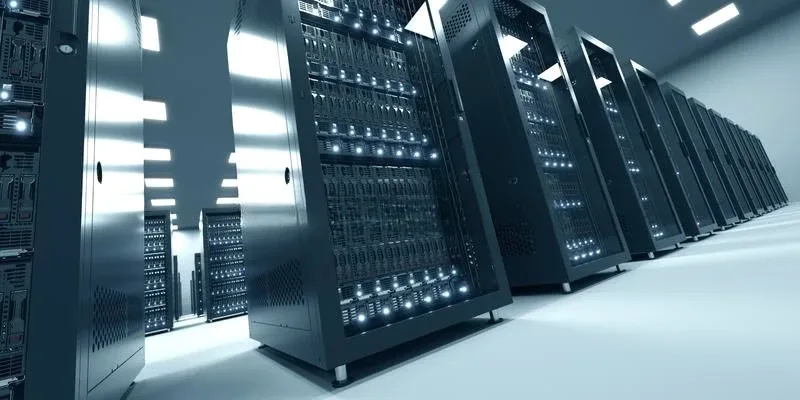
Blade servers are engineered for performance-intensive workloads.
Each blade can support multi-core processors and large memory capacities, enabling more virtual machines and faster application performance.
Integrated network fabrics such as 25GbE, 40GbE, or Fibre Channel ensure high throughput and low latency — crucial for virtualization and high-performance computing.
Centralized power distribution and dynamic cooling mechanisms reduce energy waste. Smart fans and power management automatically adapt to system loads, improving efficiency.
Blade servers are optimized for VMware, Hyper-V, and other virtualization technologies, allowing consolidation of workloads, faster provisioning, and improved hardware utilization.
Although blade servers require a higher upfront investment, their long-term return on investment (ROI) is significant.
Shared infrastructure and centralized management lead to lower hardware, maintenance, and power costs over time.
IT teams can manage hundreds of blades remotely, reducing staffing and maintenance time. This drives down operational expenses.
Blade systems offer greater compute power per rack unit, meaning fewer servers are needed for the same workload — directly improving cost efficiency.
The combination of energy efficiency, performance, and modular scalability provides a strong financial return within a few years of deployment.
Ideal for small businesses or single-application environments. They’re cost-effective but not scalable.
Suitable for medium-sized businesses requiring moderate scalability. They provide good performance but consume more space and energy.
Designed for enterprise-level workloads and data centers that demand high density, efficiency, and scalability.
Blade servers are built for virtualization and cloud computing environments.
High CPU density and shared resources make them perfect for running virtual machines and containers.
Blade servers integrate seamlessly with private and hybrid cloud models. Their modular structure simplifies the deployment of cloud resources at scale.
Modern blade platforms support automation tools and orchestration frameworks, helping IT teams deploy workloads and manage virtualized environments efficiently.
Blade servers are ideal for a variety of industries and use cases:
Enterprise Data Centers: To consolidate hardware and increase efficiency.
Cloud Service Providers: For scalable compute and storage.
Financial Institutions: To handle real-time data processing securely.
AI and Machine Learning: For training models that require high compute performance.
Telecommunication Providers: For managing large-scale network workloads and virtualization environments.
In Egypt and the Middle East, many organizations are adopting blade infrastructure to enhance data center performance and reduce total operational costs.
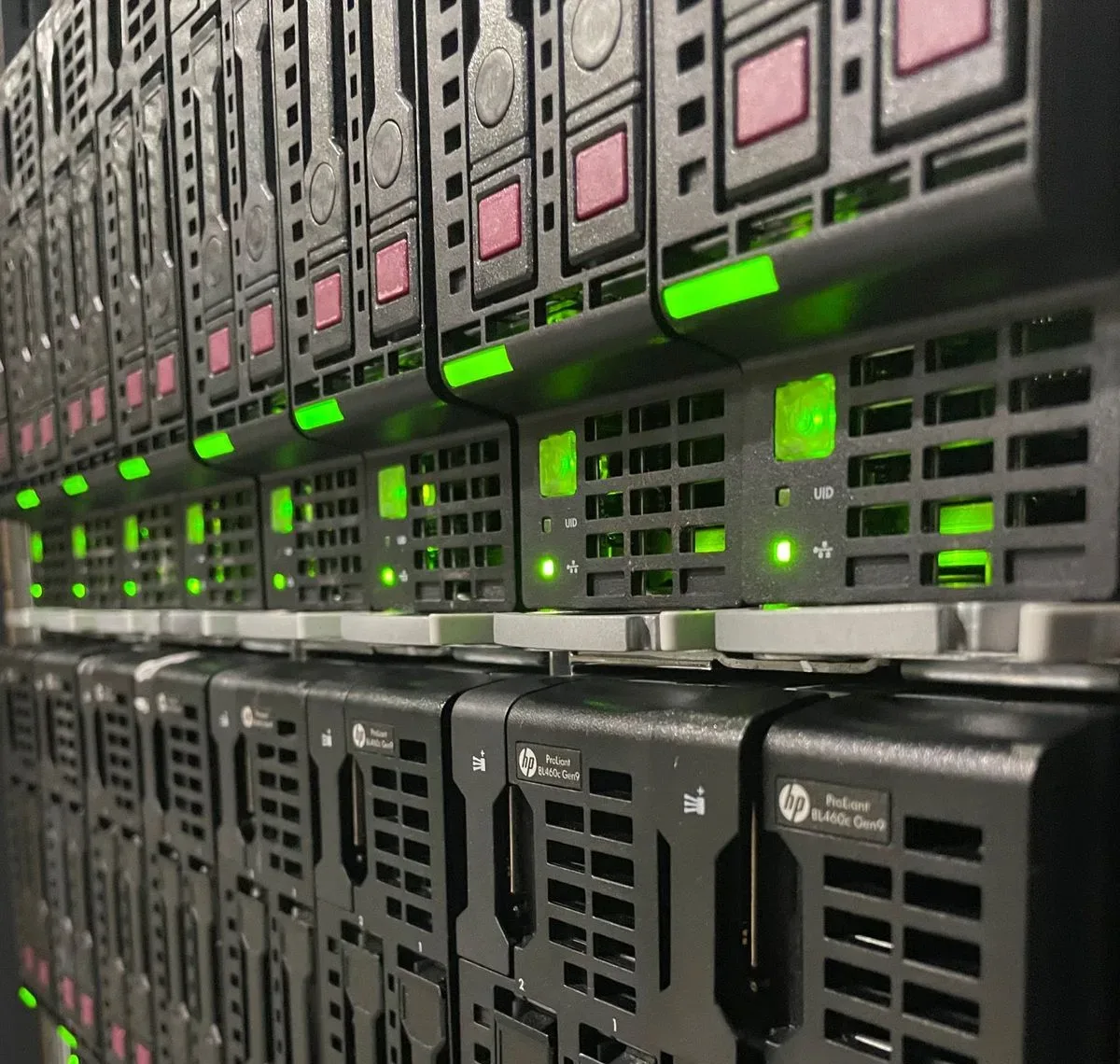
Despite their advantages, blade servers come with considerations that should be addressed during planning.
The upfront investment in chassis and management modules is higher compared to rack servers.
Many blade ecosystems are vendor-specific, meaning future upgrades must align with the same brand. Choosing an established vendor with a strong local presence is essential.
High-density computing generates more heat, requiring efficient cooling systems. Data centers must ensure proper airflow and environmental control.
Integrating blade infrastructure with existing IT environments requires careful planning and expertise, particularly for mixed workloads or legacy systems.
Selecting the right blade server depends on business needs, workload type, and future scalability plans.
Processor and Memory: Choose configurations that match workload intensity.
Networking Capabilities: Opt for higher bandwidth interconnects for virtualization or AI workloads.
Power and Cooling Efficiency: Evaluate total energy consumption over time.
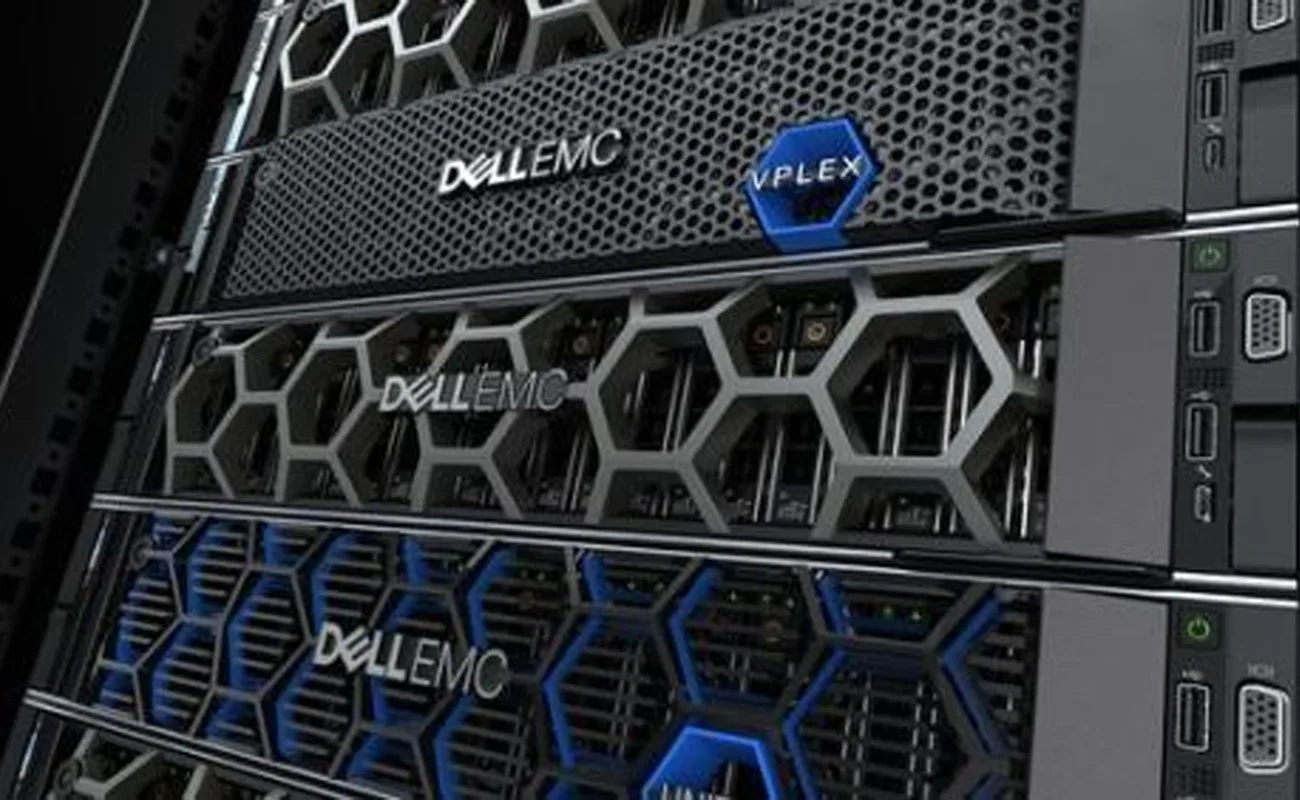
Vendor Support: Prefer globally recognized brands with strong support networks — such as Dell EMC, HPE, or Lenovo — which offer enterprise-grade reliability and service in Egypt.
Evaluate workload requirements, future growth, and data center capacity before choosing the configuration.
Install the chassis, blades, and management modules following best practices for power distribution and cabling.
Integrate blade servers with your existing storage, networking, and virtualization systems.
Use management software to monitor system health, resource usage, and thermal performance. Regular firmware updates and optimization keep systems secure and efficient.
As AI and automation reshape modern data centers, blade servers are playing a central role in powering these innovations.
New blade platforms incorporate machine learning algorithms for predictive maintenance, automatically detecting potential failures before they occur.
AI helps optimize power and cooling in real time, reducing energy consumption and operational costs.
With the rise of edge computing, compact blade systems are being deployed closer to data sources — offering low latency and high availability for critical applications.
In a world where business agility and performance define success, blade servers stand out as the foundation of scalable, efficient, and future-ready IT infrastructure.
They combine high performance, modular scalability, energy efficiency, and centralized management — making them the perfect choice for enterprises that want to maximize ROI while minimizing complexity.
As organizations in Egypt and across the MENA region continue investing in digital transformation, blade server architecture will remain a strategic enabler of innovation, reliability, and long-term growth.
No account yet?
Create an Account