Choosing the Right CPU for Your Server
Why CPU Selection Matters
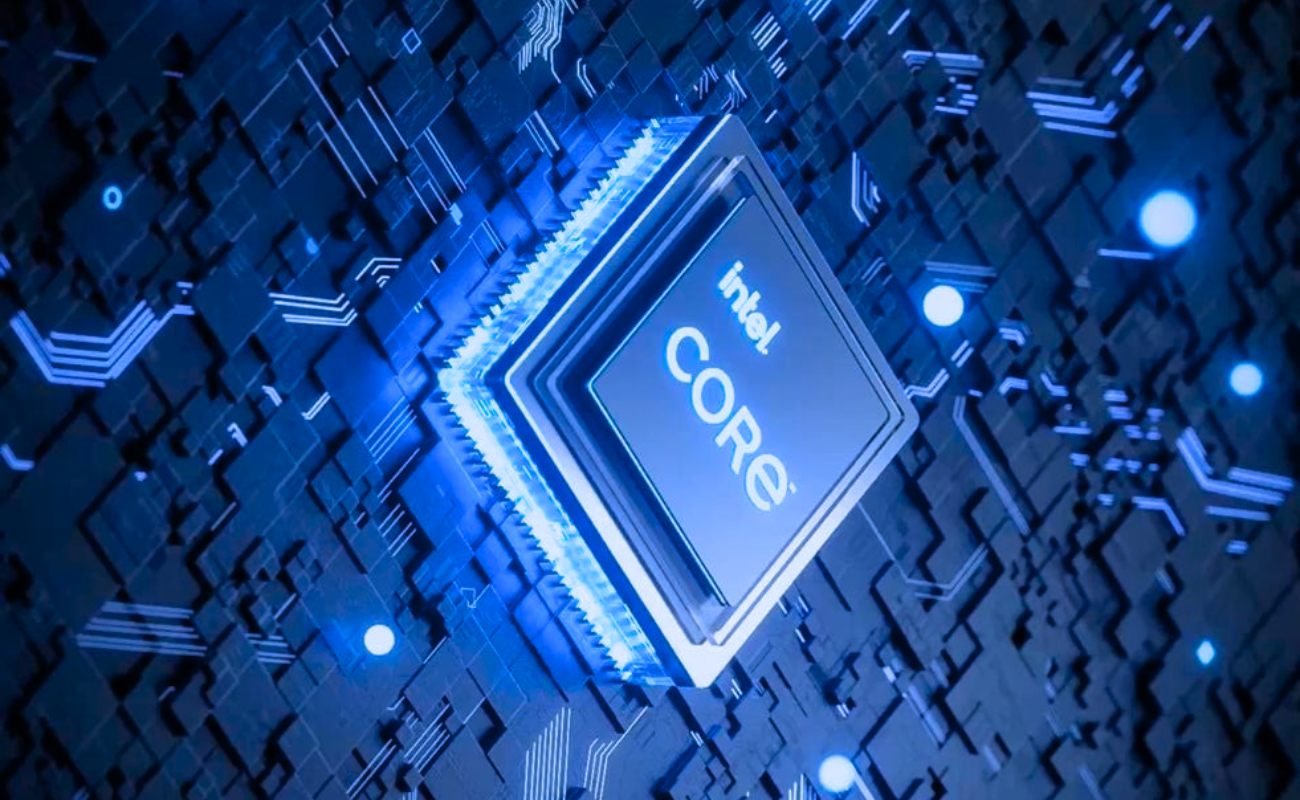
Selecting the right CPU is one of the most important decisions when designing or upgrading a server. The CPU determines the processing power, efficiency, and overall performance of the server, impacting everything from virtualization and database management to AI workloads and cloud applications.
Understanding choosing the right CPU for your server ensures your infrastructure can handle current demands while remaining scalable for future growth.
Understanding Server Workloads
Before choosing the right CPU for your server, it is essential to understand the types of workloads your organization will run. Server tasks can vary widely:
Virtual machines and containerized applications
High-performance databases and transactional workloads
Big data analytics and AI processing
Web hosting and enterprise resource planning (ERP) systems
The workload profile helps determine whether a CPU with higher core counts, higher clock speeds, or specialized instruction sets is required.
Single vs. Multi-Socket Servers
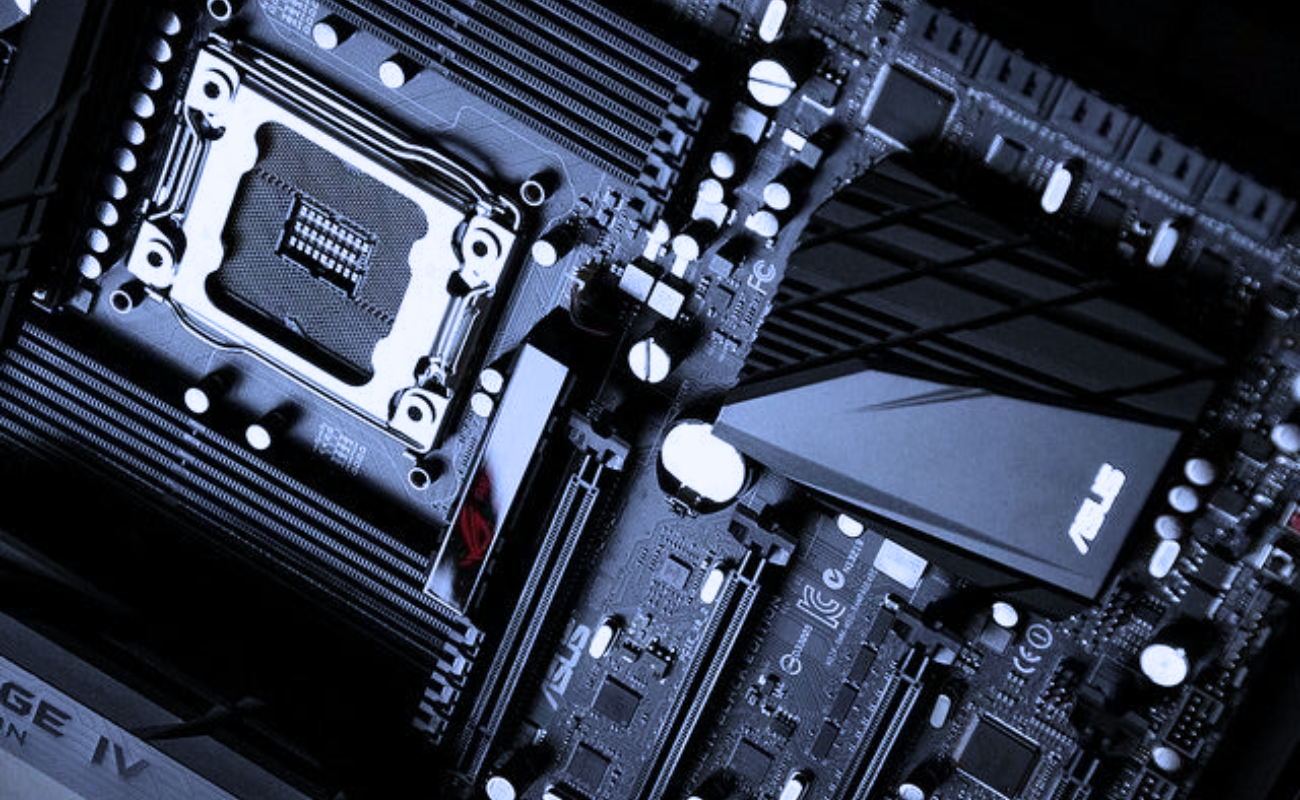
One critical consideration when choosing the right CPU for your server is the socket configuration:
Single-socket servers: Cost-effective and simpler, suitable for small to medium workloads.
Dual- or multi-socket servers: Provide higher parallel processing power, ideal for virtualization, large databases, and analytics.
Selecting the right socket setup ensures the server can handle its workload efficiently without unnecessary expense.
Core Count and Threading Capabilities
The number of cores and threads significantly impacts performance. When choosing the right CPU for your server, consider:
More cores for parallel processing and virtualization
Higher threads for handling multiple simultaneous tasks
Workload type: databases benefit from high single-thread performance, AI workloads benefit from more cores
Balancing cores and threads with the workload ensures maximum server efficiency.
Clock Speed and Performance Per Core
Clock speed affects how quickly a CPU processes individual instructions. While total cores matter, choosing the right CPU for your server also involves evaluating per-core performance.
Understanding your application requirements helps balance speed versus core count.
Cache Size and Memory Support
Server CPUs include integrated cache memory to accelerate data access. When choosing the right CPU for your server, look for:
Sufficient L2 and L3 cache for frequent workload data
Compatibility with ECC (Error-Correcting Code) memory
Support for high-capacity RAM to match your server’s role
Larger cache and advanced memory support improve data throughput and reduce latency.
Thermal Design and Power Efficiency
CPUs generate heat and consume energy, which affects cooling requirements and operational costs. Choosing the right CPU for your server requires considering thermal design power (TDP):
Lower TDP for energy-efficient deployments
Higher TDP for high-performance tasks with adequate cooling
Matching cooling systems to CPU specifications ensures reliability
Efficient CPU selection balances performance with operational costs.
Integrated Features and Advanced Technologies
Modern server CPUs come with integrated technologies that enhance performance, security, and manageability. When choosing the right CPU for your server, consider:
Hardware virtualization support (VT-x, AMD-V)
Security features like SGX or secure boot support
AI or GPU acceleration capabilities
Advanced I/O and PCIe support for expansion cards
These features ensure your server platform is future-ready and adaptable.
Brand and Platform Considerations
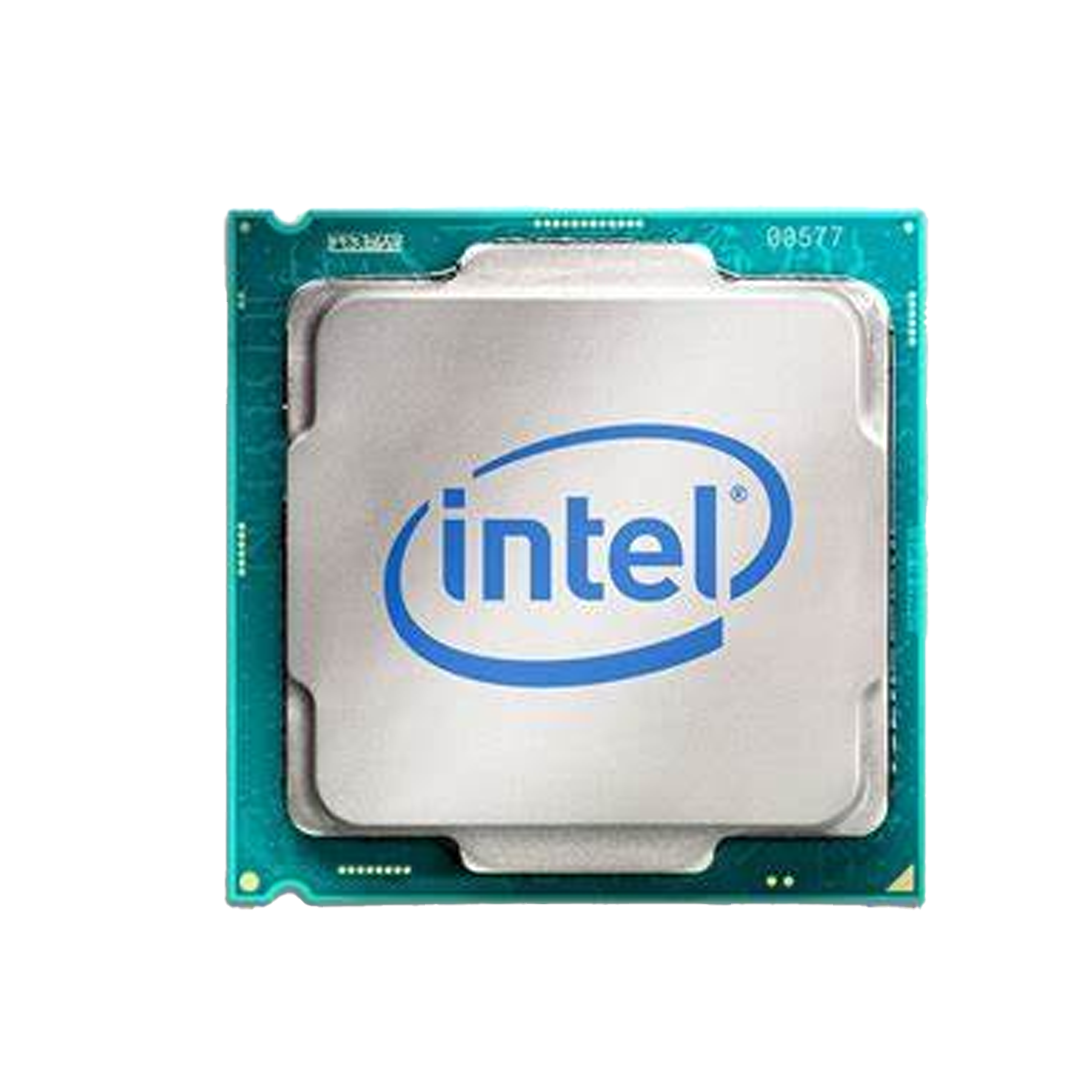
The two primary server CPU platforms are Intel Xeon and AMD EPYC. When choosing the right CPU for your server, evaluate:
Intel Xeon: strong single-thread performance, mature ecosystem, enterprise support
AMD EPYC: higher core counts at competitive price, excellent memory bandwidth, energy efficiency
Matching the CPU platform with your enterprise requirements ensures optimal performance and long-term support.
Scalability and Future-Proofing
When choosing the right CPU for your server, it’s important to consider future expansion:
Upgrading CPUs or adding sockets
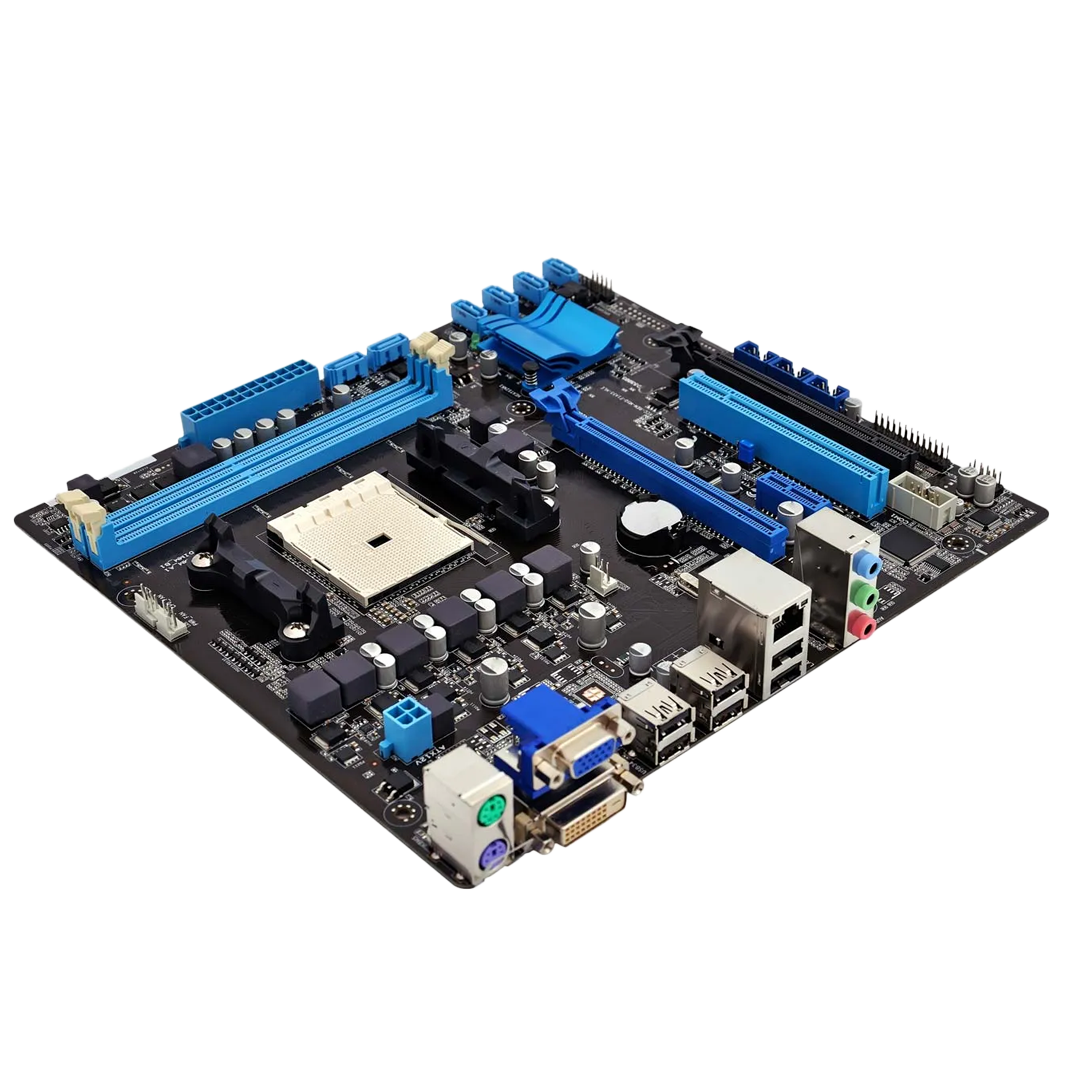
Supporting higher memory capacity in the motherboard
Compatibility with virtualization or cloud scaling requirements
Selecting a scalable CPU reduces future costs and downtime when workloads grow.
Choosing the right CPU is critical to ensure your server meets performance, efficiency, and scalability needs. By evaluating workload type, core and thread count, clock speed, cache, memory support, and platform choice, IT teams can design servers that provide long-term value and reliability.
Choosing the right CPU for your server is not just a technical decision—it directly impacts productivity, operational costs, and the success of enterprise IT initiatives. Careful selection today ensures your servers remain capable, efficient, and ready for tomorrow’s workloads.