Welcome To SAS Points — Your One-Stop IT Solutions Provider
Welcome To SAS Points — Your One-Stop IT Solutions Provider
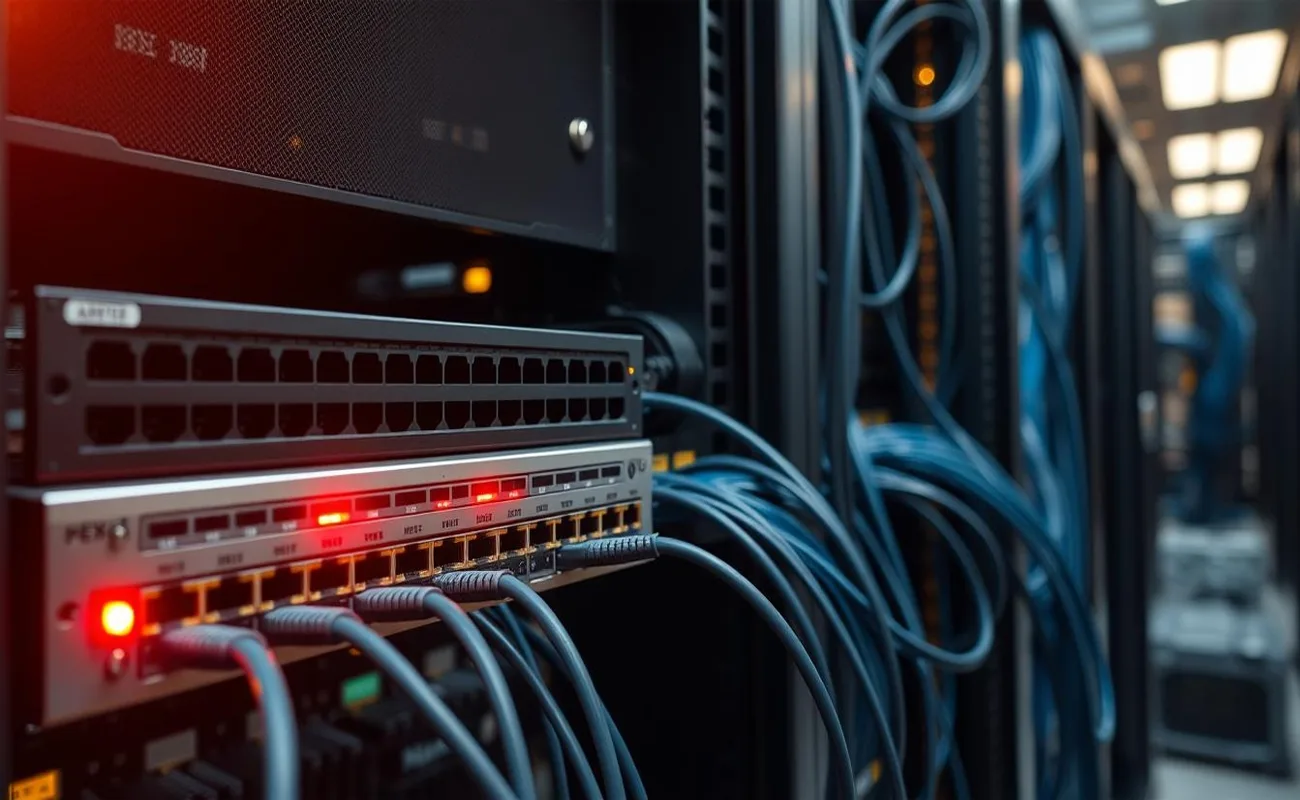
Choosing the right network switch for your data center is not just a technical decision—it’s a strategic one that directly impacts performance, security, and scalability. In Egypt, as more businesses move toward digital transformation, the data center has become the beating heart of any organization. At the center of this infrastructure lies the network switch, which connects servers, users, and applications. In this article, we will explain the different types of network switches, compare key options like Layer 2 vs Layer 3, and help you understand how to select the best switch for your data center based on size, performance, and future growth.
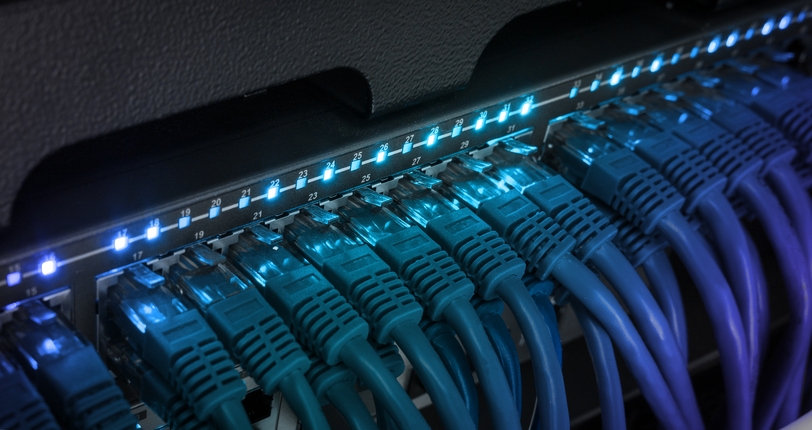
A network switch is a device that connects multiple devices within a local area network (LAN) or inside a data center. It manages data traffic by forwarding packets intelligently between servers, storage systems, and users.
But a switch is not just about connectivity—it ensures performance, security features, and scalability for the entire infrastructure. For large organizations in Egypt, such as banks, telecom companies, or government agencies, the wrong switch can slow down operations or even disrupt mission-critical services. This is why understanding the role of a network switch is the first step toward building a reliable and high-performing data center.
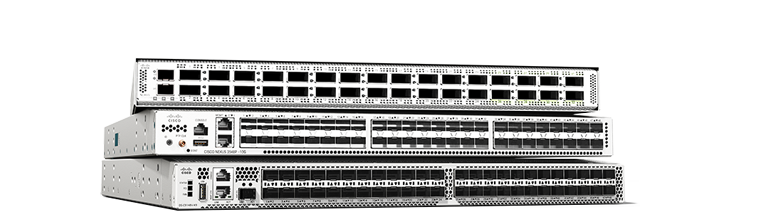
Before buying a network switch, it’s important to know the types of network switches available:
Each type plays a different role inside the data center. For example, startups may only need access switches, while larger enterprises in Egypt often require core switches for maximum reliability and performance.
One of the biggest decisions is whether to choose a Layer 2 or Layer 3 network switch:
In the Egyptian market, big enterprises and service providers often prefer Layer 3 switches due to their ability to handle thousands of users and applications. Smaller businesses, on the other hand, may find that a Layer 2 switch provides a good balance between cost and efficiency.
Another critical decision is whether to invest in a managed or unmanaged switch:
For Egyptian companies planning to expand, a managed switch is a long-term investment that ensures better data protection and efficiency.
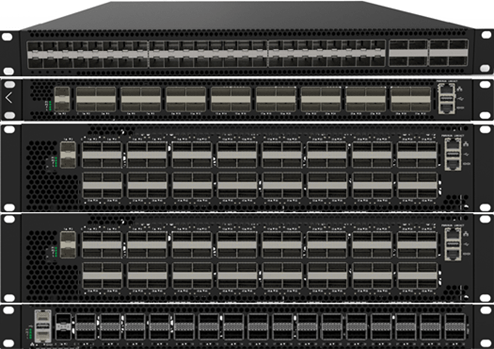
To select the best switch for your data center, you need to evaluate several factors:
By analyzing these factors, you’ll be able to choose a network switch that not only meets your current needs but also supports future expansion.
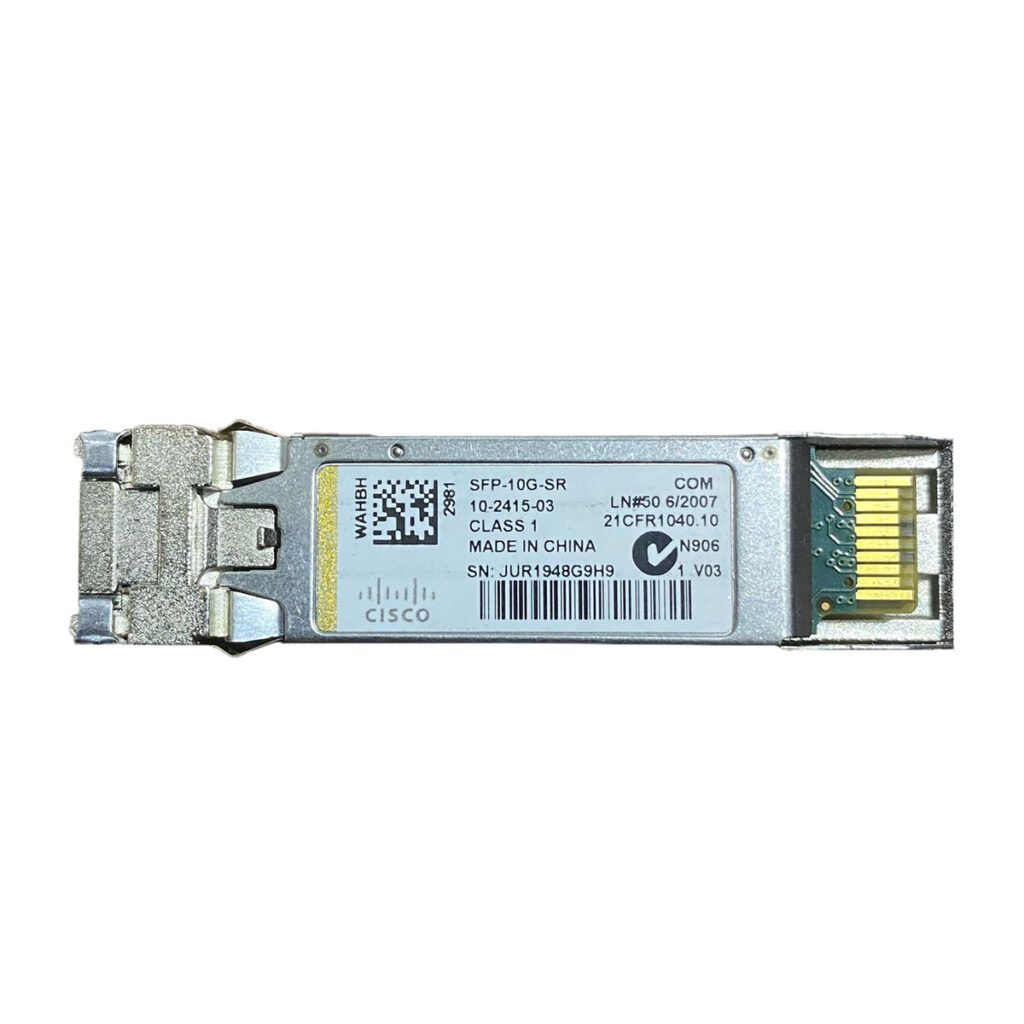
When choosing a network switch for your data center, one of the most common decisions is whether to go with a Gigabit switch or a 10 Gigabit switch. A Gigabit switch provides speeds up to 1 Gbps, which is sufficient for many small to medium-sized businesses. However, in modern data centers handling cloud applications, virtualization, and heavy data workloads, a 10 Gigabit switch often delivers far better performance and future-proof scalability. While the cost of 10G switches is higher, they provide significantly lower latency, faster data transfers, and the ability to handle high-performance computing environments. For Egyptian companies looking to stay competitive in 2025, 10G is becoming the smarter long-term investment.
Understanding the difference between a core switch and an access switch is critical when designing your data center. An access switch is used to connect end devices like desktops, laptops, and IP phones to the network. On the other hand, a core switch operates at the backbone of the infrastructure, managing high-speed traffic between servers, storage, and distribution layers. In smaller networks, access switches might be sufficient, but in enterprise-level data centers, core switches are essential for stability, performance, and scalability. The right balance between core and access switches ensures that your data center can handle both day-to-day operations and future growth.
When evaluating the best switch for your data center, there are several key features to consider:
By focusing on these features, IT managers can ensure they select a network switch that delivers maximum value.

As technology advances, the best switches for data centers in 2025 are those that combine speed, intelligence, and energy efficiency. Many vendors are offering Layer 3 managed switches with advanced routing, virtualization support, and built-in AI-powered monitoring tools. Popular options include 10 Gigabit switches for mid-sized businesses and 40/100G core switches for large enterprises. Egyptian companies should prioritize switches that not only meet current performance needs but also support future technologies like IoT and cloud integration. Investing in modern switches today ensures that your data center remains competitive and capable of handling tomorrow’s challenges.
For businesses in Egypt, energy costs and scalability are two critical factors when choosing a network switch. Here are a few tips:
Many organizations make errors when selecting a network switch for their data center. Common mistakes include:
To avoid these pitfalls, businesses should carefully assess their network requirements, compare models, and consult with IT experts before making a decision. Avoiding mistakes upfront saves money and ensures long-term stability.
Modern network switches are not just about speed; they play a vital role in enhancing the security and reliability of your data center. With features like Access Control Lists (ACLs), VLAN segmentation, and real-time monitoring, switches can prevent unauthorized access and isolate threats. In addition, redundancy features like dual power supplies and failover mechanisms ensure maximum uptime. For Egyptian businesses handling sensitive financial or customer data, investing in secure, managed switches is essential to meet compliance standards and protect against cyber threats.
Choosing the best switch for your data center becomes easier when following a structured process:
By following this guide, businesses in Egypt can confidently select the right network switch for their unique needs.
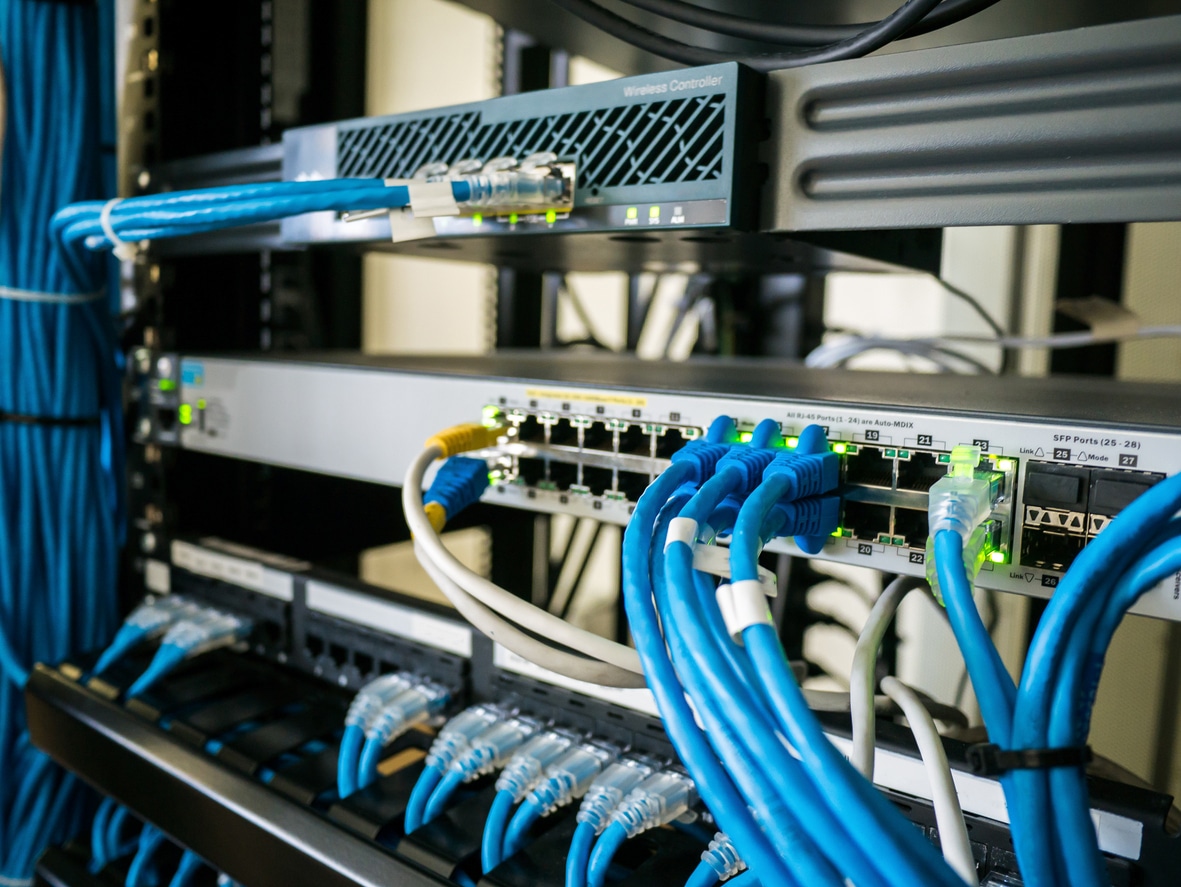
The future of data center networking is being shaped by AI, automation, and cloud integration. AI-powered switches can monitor traffic patterns, predict failures, and automatically optimize performance. Meanwhile, cloud-ready switches allow seamless integration with hybrid and multi-cloud environments, making them essential for businesses that rely on cloud computing. In Egypt and the wider Middle East, companies adopting AI-driven network switches will enjoy faster performance, lower downtime, and smarter resource allocation. Investing in these technologies today positions businesses for long-term success in the digital economy.
Selecting the right network switch for your data center is an investment that impacts performance, security, and growth. From comparing Gigabit vs 10 Gigabit, understanding core vs access switches, and evaluating key features, to avoiding common mistakes, every step matters.
The Egyptian market in 2025 demands smart, scalable, and energy-efficient solutions. By following best practices and consulting with IT experts, you can ensure your data center is ready for the future. Contact us today for a professional consultation and let us help you choose the best switch for your business needs.
For more insights and to explore the most popular switches models available now at SAS Points, you can check the full detailed guide here — it will help you compare real models and choose the one that fits your network needs perfectly.
No account yet?
Create an Account






































One thought on “How to Choose the Right Network Switch for Your Data Center?”