Welcome To SAS Points — Your One-Stop IT Solutions Provider
Welcome To SAS Points — Your One-Stop IT Solutions Provider
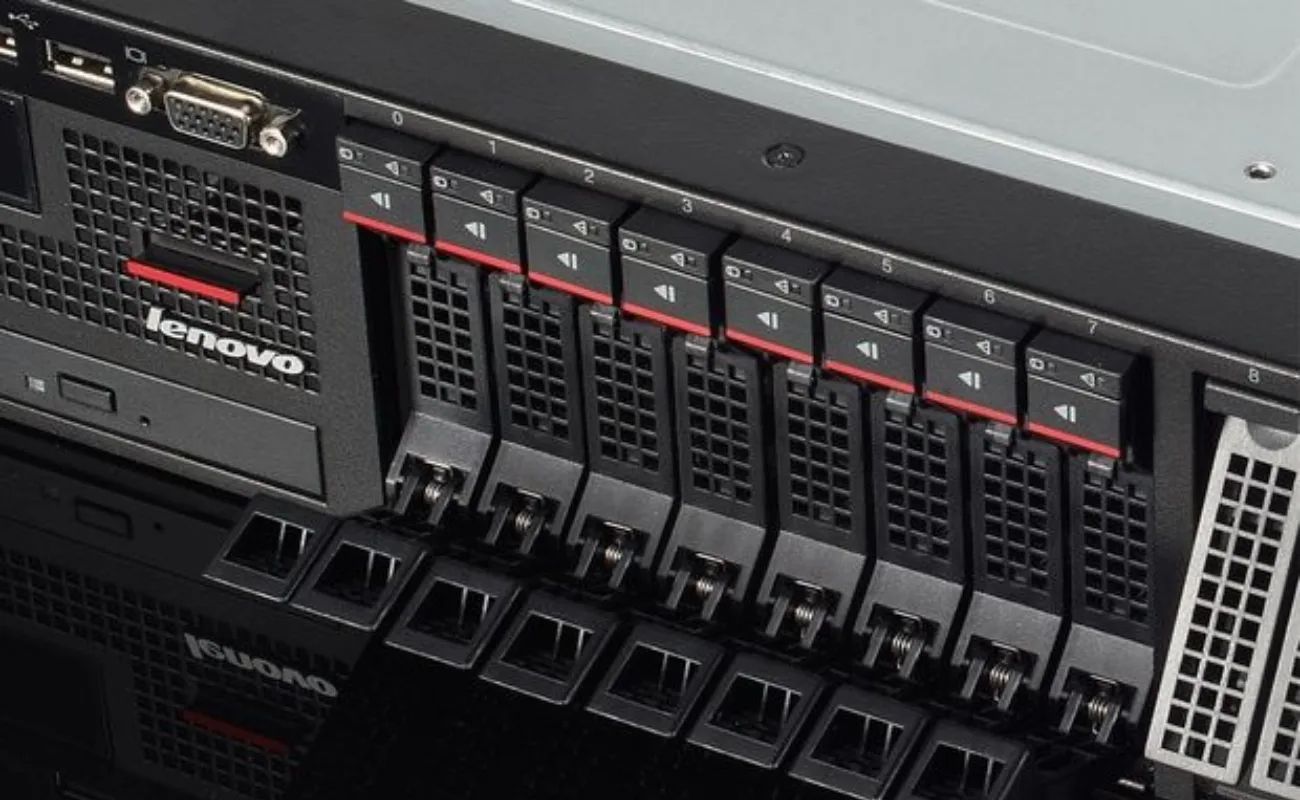
Lenovo ThinkSystem Rack Servers have become a leading choice for modern data centers that require consistent performance, scalability, and long-term operational reliability. As digital workloads across Egypt and the Middle East continue to grow—driven by virtualization, cloud adoption, database expansion, and AI workloads—businesses are shifting toward rack-optimized server architectures that deliver efficiency without compromising power. Lenovo has strengthened its position in this market by designing rack servers built for enterprise-grade performance, energy optimization, and simplified management.
This blog explores why Lenovo ThinkSystem Rack Servers are the right fit for mission-critical data centers, how they support digital transformation, and what makes them a reliable investment for businesses aiming for high performance and long-term infrastructure growth.
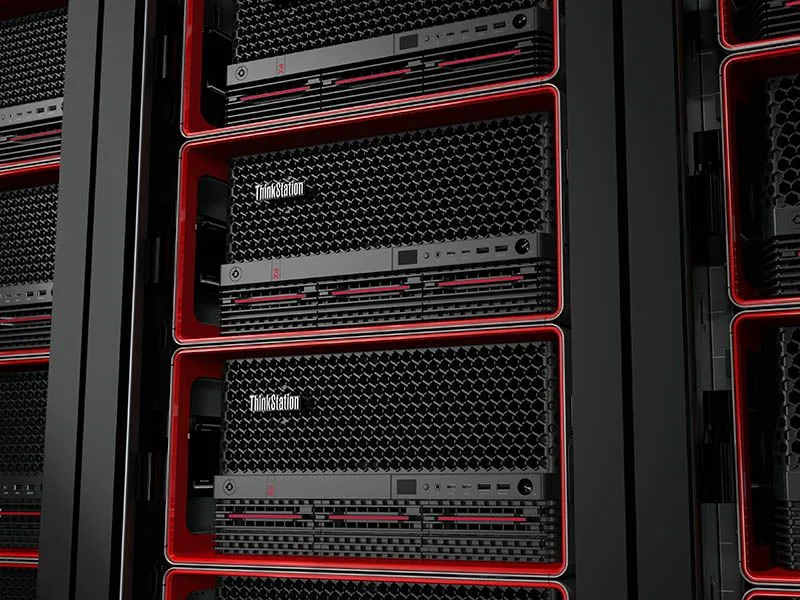
Lenovo ThinkSystem Rack Servers are engineered to handle the increasingly complex IT demands of today’s enterprises. They support high CPU density, large memory footprints, flexible storage options, and multi-node scalability—all within standardized rack-mount form factors. What makes these servers stand out is their balance between high performance and energy efficiency, which helps organizations reduce operational costs while improving compute capabilities.
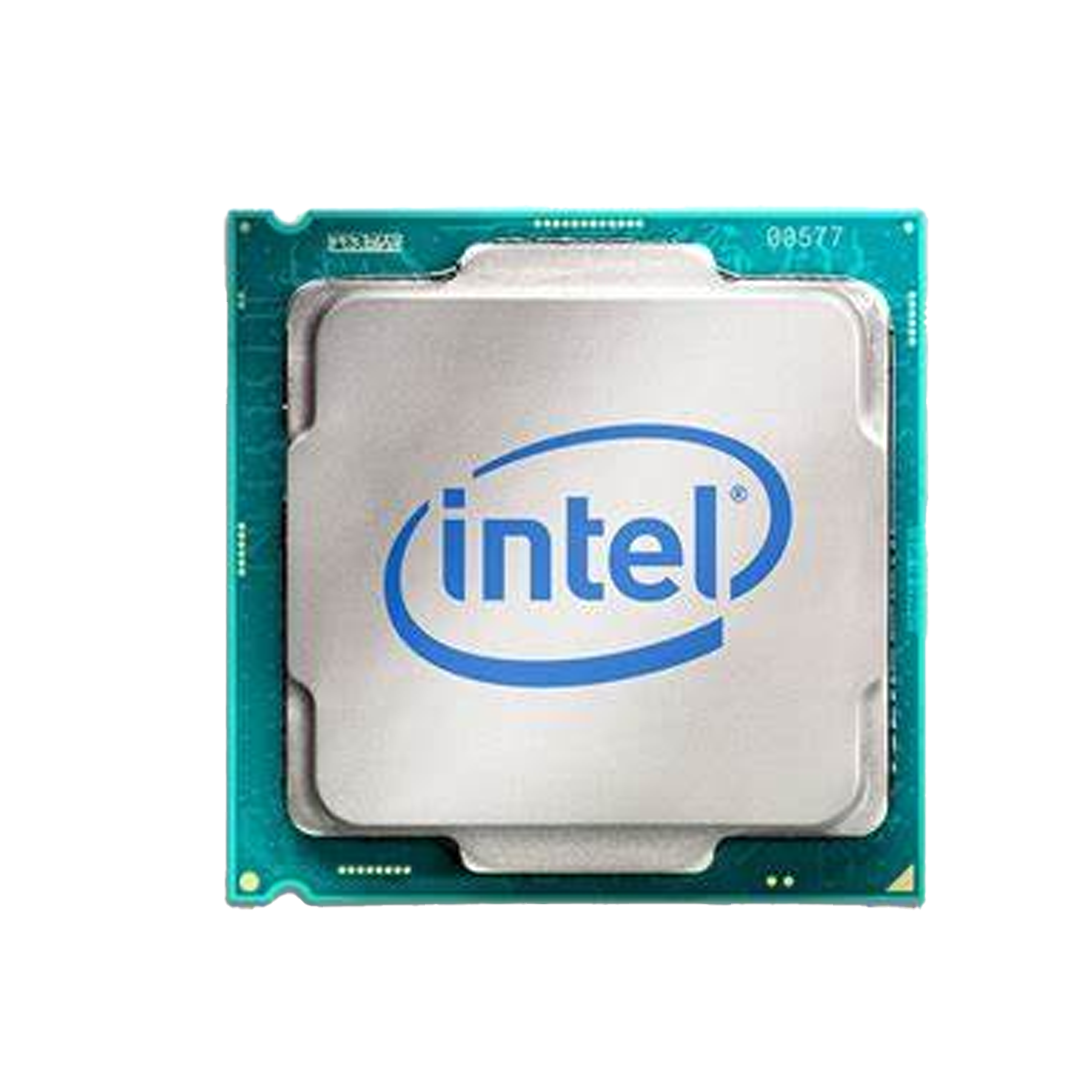
The ThinkSystem line is built on modern Intel Xeon Scalable processors, enhanced thermal designs, and robust security frameworks, making them suitable for virtualization clusters, cloud environments, big data analytics, ERP workloads, and demanding enterprise applications.
Data centers require servers that perform consistently under heavy load, scale easily, and operate with minimal downtime. Lenovo ThinkSystem Rack Servers have proven ideal due to their reliability, power efficiency, and advanced cooling technologies. They are engineered to deliver stable performance even in high-density deployments, making them suitable for enterprise IT departments, hosting environments, managed service providers, and cloud operators.
Enterprises also appreciate Lenovo’s long support lifecycle, intelligent management tools, and seamless integration with leading software ecosystems like VMware, Microsoft, Red Hat, and Nutanix.
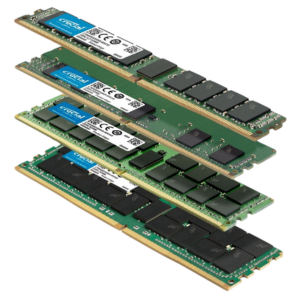
One of the biggest strengths of ThinkSystem Rack Servers is their superior performance-to-density ratio. Lenovo designs its systems to maximize CPU utilization, memory bandwidth, and PCIe expandability while keeping the physical footprint compact. This allows data centers to pack more compute power into fewer rack units, improving space efficiency and operational ROI.
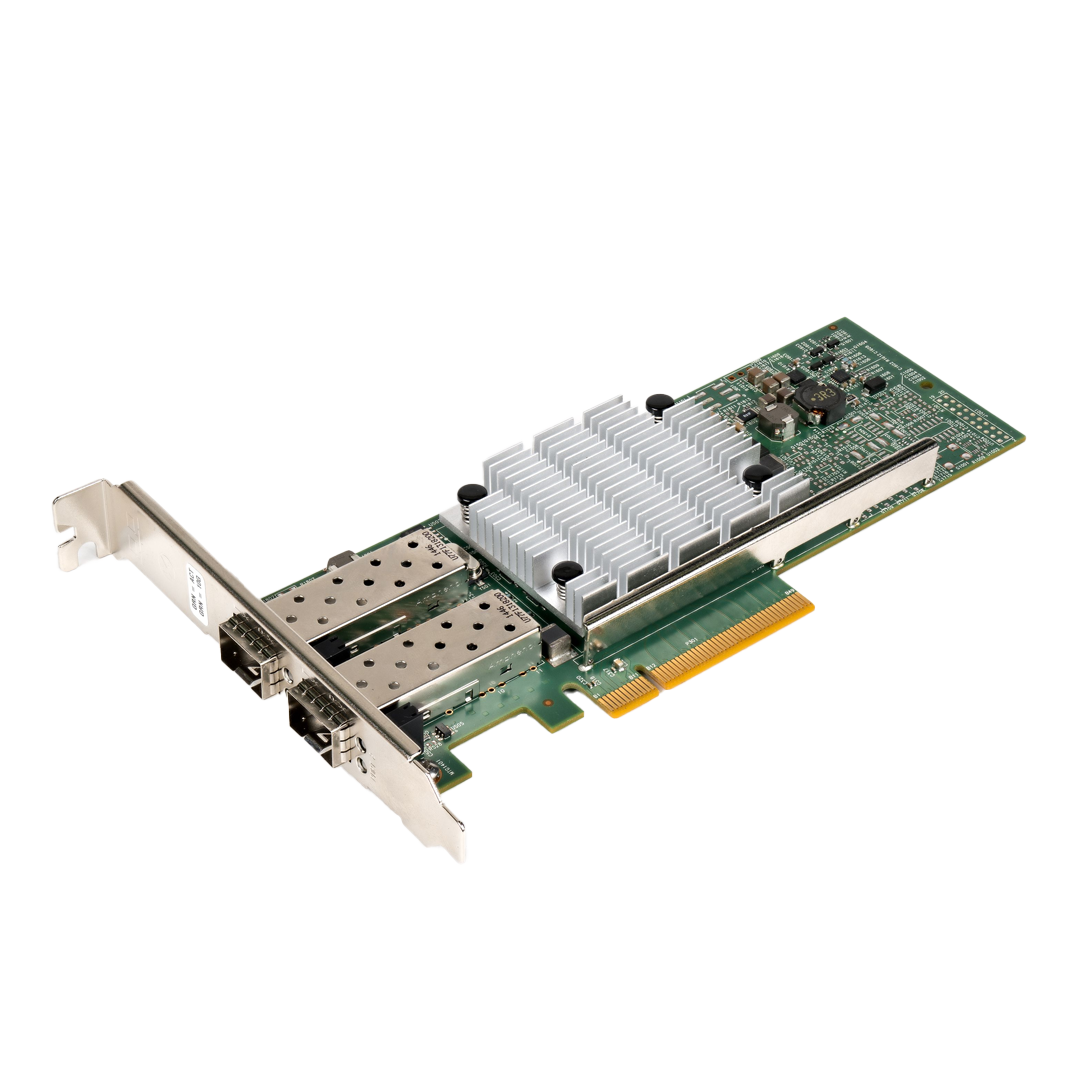
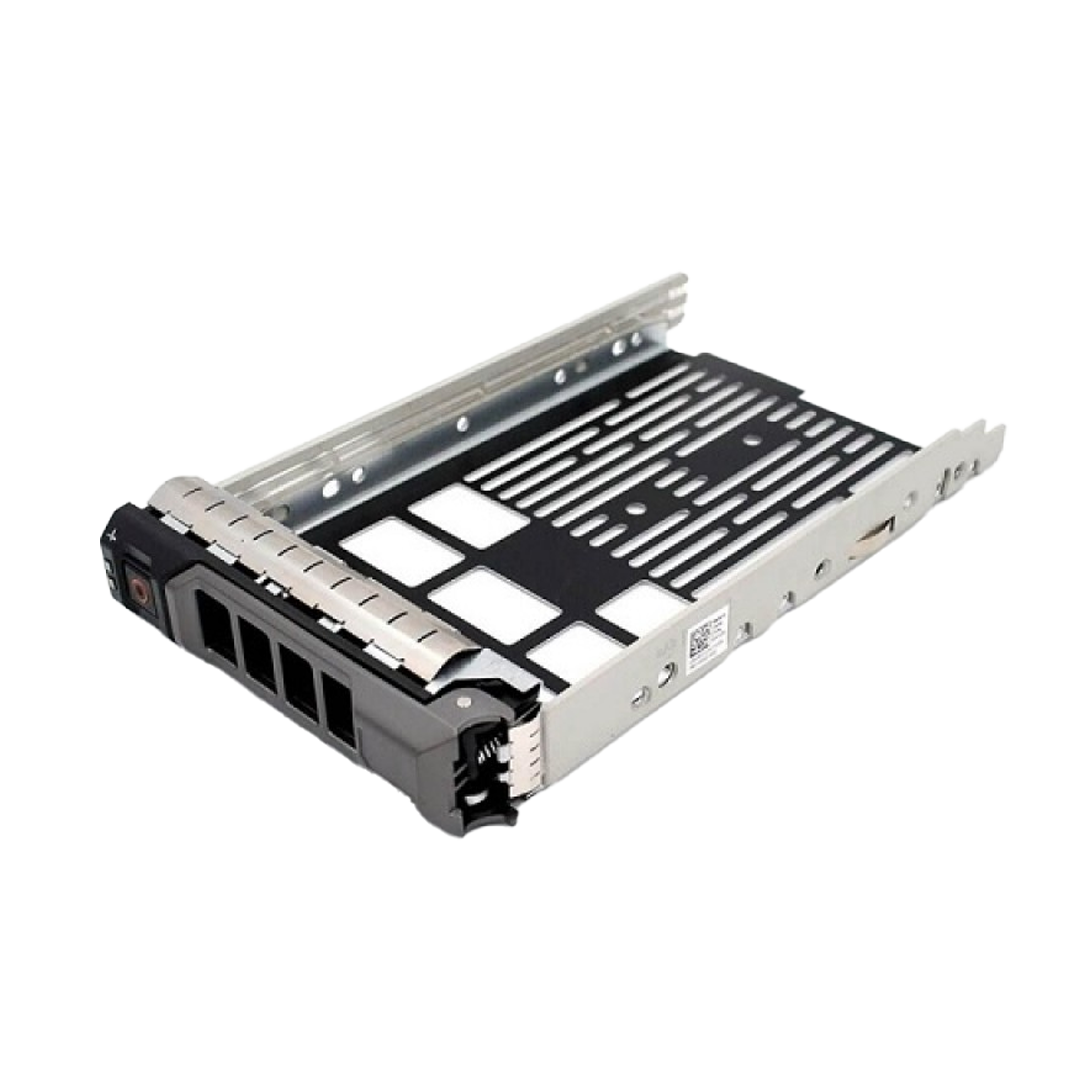
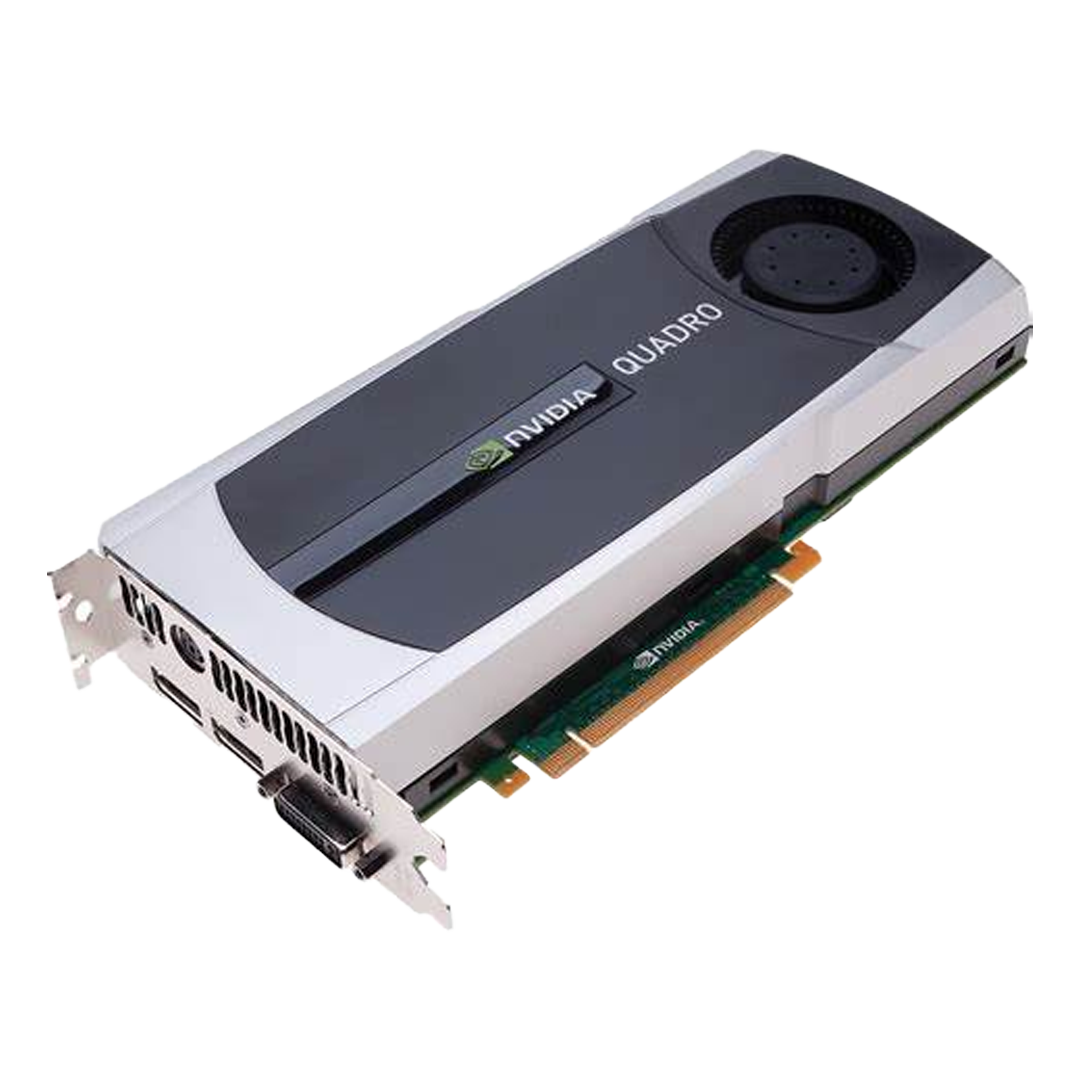
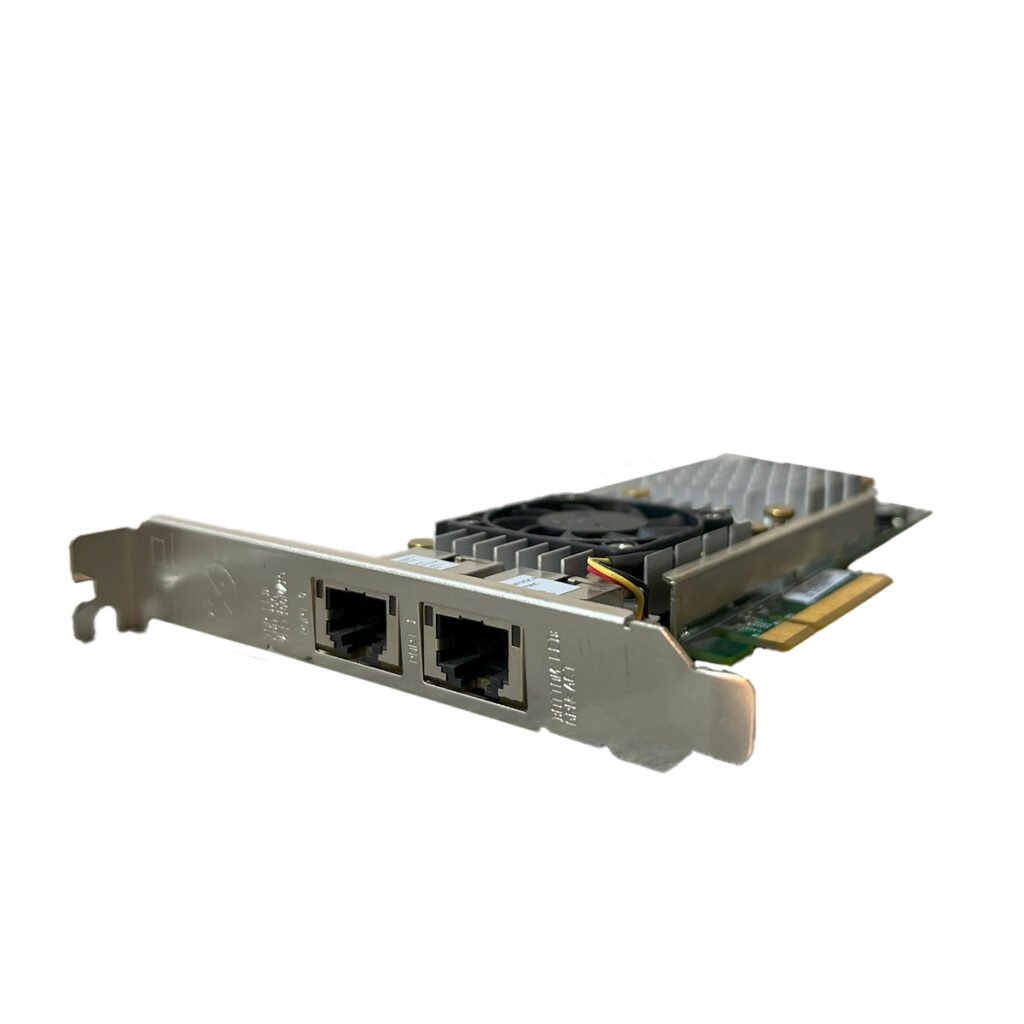
Their servers also support high-speed NVMe storage for high-performance workloads, multi-GPU configurations for AI and HPC tasks, and advanced networking capabilities including 10/25/40/100GbE options. With these features, ThinkSystem servers provide exceptional throughput while ensuring low latency and consistent processing.
Businesses in Egypt and across the region are scaling their IT infrastructure at a faster rate than ever. Lenovo ThinkSystem Rack Servers are designed with growth in mind. They offer flexible configurations that allow organizations to expand storage, increase memory, or add additional processors as workloads evolve.
Whether a company needs to scale horizontally with additional nodes or vertically with upgraded components, Lenovo provides the flexibility and modularity required for long-term infrastructure expansion. The servers support a wide range of enterprise applications, making them suitable for businesses planning to grow their virtual environments, adopt hybrid cloud models, or expand their database clusters.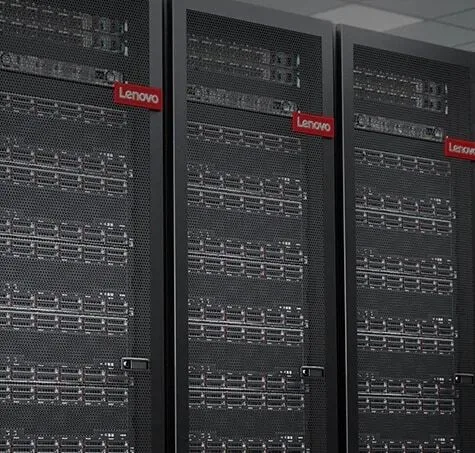
Power consumption and cooling costs are major concerns for any data center. Lenovo ThinkSystem Rack Servers are engineered with energy-optimized components, efficient airflow paths, and intelligent power management tools to help organizations reduce their electricity usage.
Lenovo’s innovations—such as adaptive cooling and variable-speed fans—ensure that the servers deliver high performance without unnecessary energy waste. This contributes to lower operational expenses, better PUE (Power Usage Effectiveness), and an overall greener infrastructure.
Data centers cannot afford downtime or security vulnerabilities. Lenovo ThinkSystem Rack Servers integrate enterprise-grade security features, including firmware protection, secure boot, self-encrypting drives, and comprehensive system monitoring. These safeguards protect workloads against cyber threats while ensuring the integrity of operating environments.
Additionally, Lenovo has a strong reputation for producing highly reliable hardware with long component lifecycles and minimal failure rates. This reliability is crucial for mission-critical applications where performance consistency and uptime are essential.
Lenovo XClarity is one of the standout advantages of ThinkSystem Rack Servers. This centralized management platform simplifies provisioning, monitoring, firmware updates, and automation across the entire server ecosystem.
IT administrators in data centers benefit from faster deployment times, improved visibility, and reduced maintenance complexity. With XClarity, Lenovo delivers a modern infrastructure management approach that reduces IT workload and enhances operational efficiency.
Lenovo ThinkSystem Rack Servers are suitable for a wide range of enterprise and data center environments. Some of the most common applications include:
• Virtualization clusters for VMware, Hyper-V, or Proxmox
• Cloud hosting and private cloud infrastructure
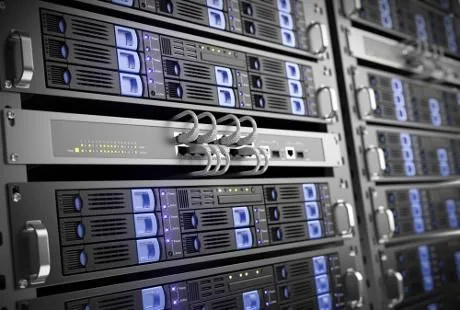
• Database management and high-transaction workloads
• Enterprise resource planning (ERP) and core business applications
• AI inference, machine learning models, and GPU workloads
• High-performance computing (HPC) and engineering simulations
• Data center consolidation and infrastructure modernization
Their adaptability makes them valuable in industries such as banking, telecommunications, healthcare, education, manufacturing, retail, and government.
Choosing the right server platform is a long-term decision for any business. Lenovo ThinkSystem Rack Servers stand out because they combine performance, scalability, reliability, and cost efficiency. They help organizations build infrastructure that can grow with future demands, support advanced workloads, and remain stable under intensive operations.
Their strong security framework, energy efficiency, and simplified management ecosystem make them a highly valuable choice for enterprises aiming to modernize their data center environments.
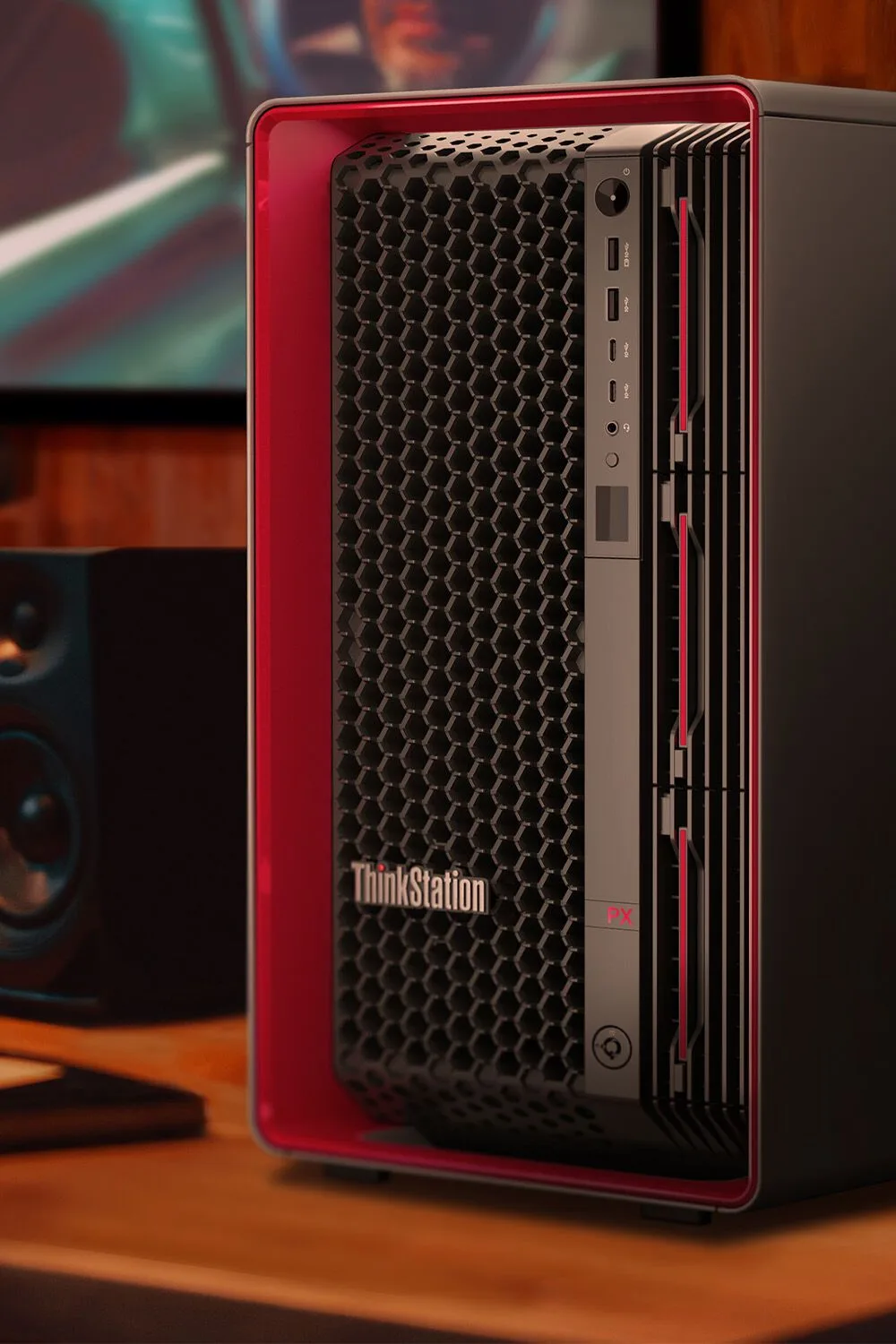
Lenovo ThinkSystem Rack Servers for Data Centers offer a complete solution for modern IT environments that require high performance, scalability, and operational efficiency. As organizations continue to expand their digital systems and adopt hybrid cloud architectures, Lenovo provides the reliability and flexibility needed to support ongoing transformation.
For businesses in Egypt and across the region, investing in Lenovo ThinkSystem Rack Servers ensures long-term infrastructure stability, optimized performance, and the ability to scale proactively as workloads increase. These servers are designed not just for today’s requirements but also for the next generation of enterprise computing.
No account yet?
Create an Account