Welcome To SAS Points — Your One-Stop IT Solutions Provider
Welcome To SAS Points — Your One-Stop IT Solutions Provider
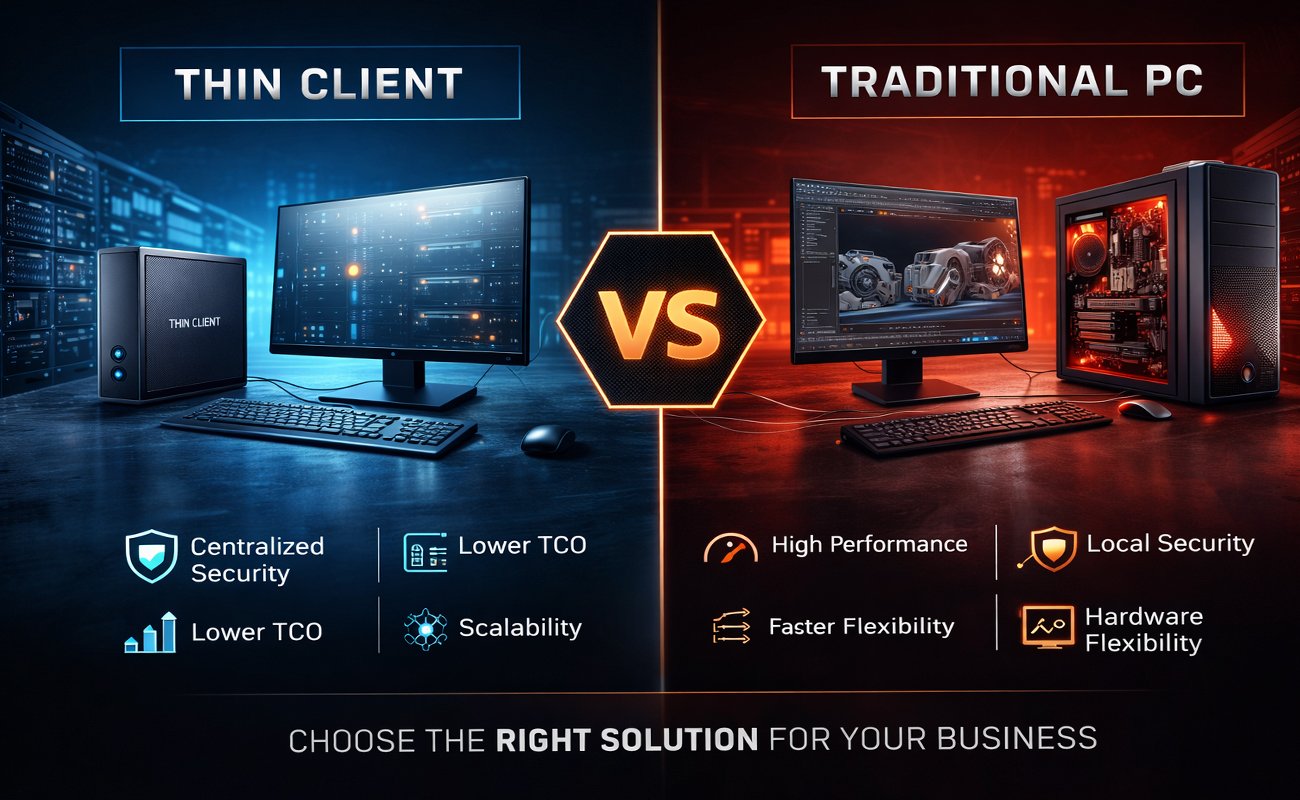
In today’s rapidly evolving digital landscape, organizations must make strategic decisions about the technologies that power their workforce. One of the most significant hardware decisions for modern businesses is whether to use thin clients or traditional PCs. While traditional desktops have been the backbone of corporate IT for decades, thin-client architectures—powered by technologies such as VMware Horizon, Citrix Virtual Apps and Desktops, and Microsoft Azure Virtual Desktop—have grown rapidly in enterprise environments.
Choosing the right device type effects:
Productivity
IT management
Security
Business continuity
Total cost of ownership (TCO)
Long-term scalability
This detailed 3000+ word guide compares thin clients and traditional PCs from every angle so you can choose the right solution for your business.
Is a lightweight computing device designed to connect to a centralized server or virtual desktop infrastructure (VDI). Unlike traditional PCs, thin clients rely on backend servers to run applications, store data, and perform processing.
Popular enterprise thin-client manufacturers include:
However, the device itself is only half the system. work in combination with server-hosted platforms such as:
Cisco for networking
VMware Horizon for virtual desktops
Citrix Virtual Apps and Desktops for application delivery
Low-power hardware
Cloud or server-dependent
Simplified OS
Enhanced security measures
Minimal local storage
Long lifespan (5–10+ years)
Call centers
Banking and finance
Healthcare environments
Education and labs
Remote workforce deployments
Manufacturing floors
Thrive where centralized management and predictable workflows matter.
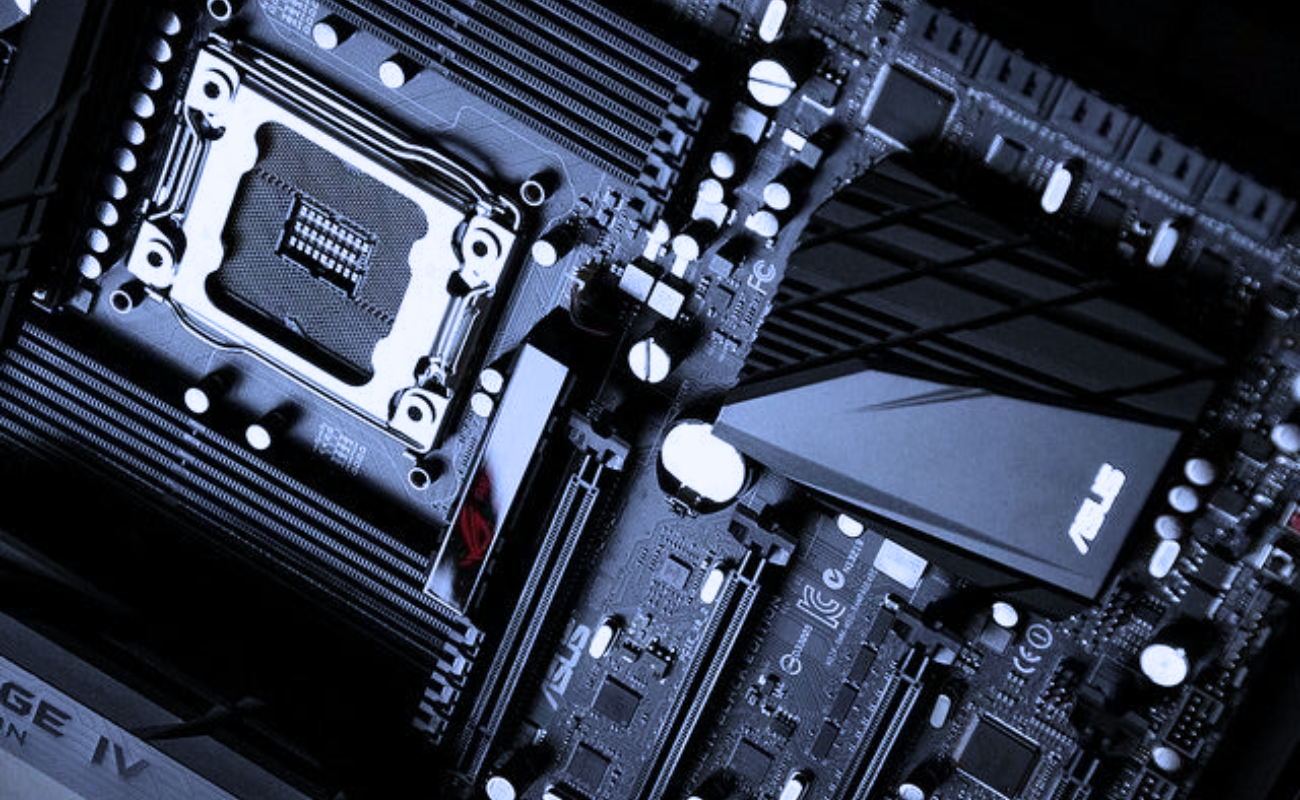
A traditional PC—desktop or laptop—is a fully independent computing device with its own:
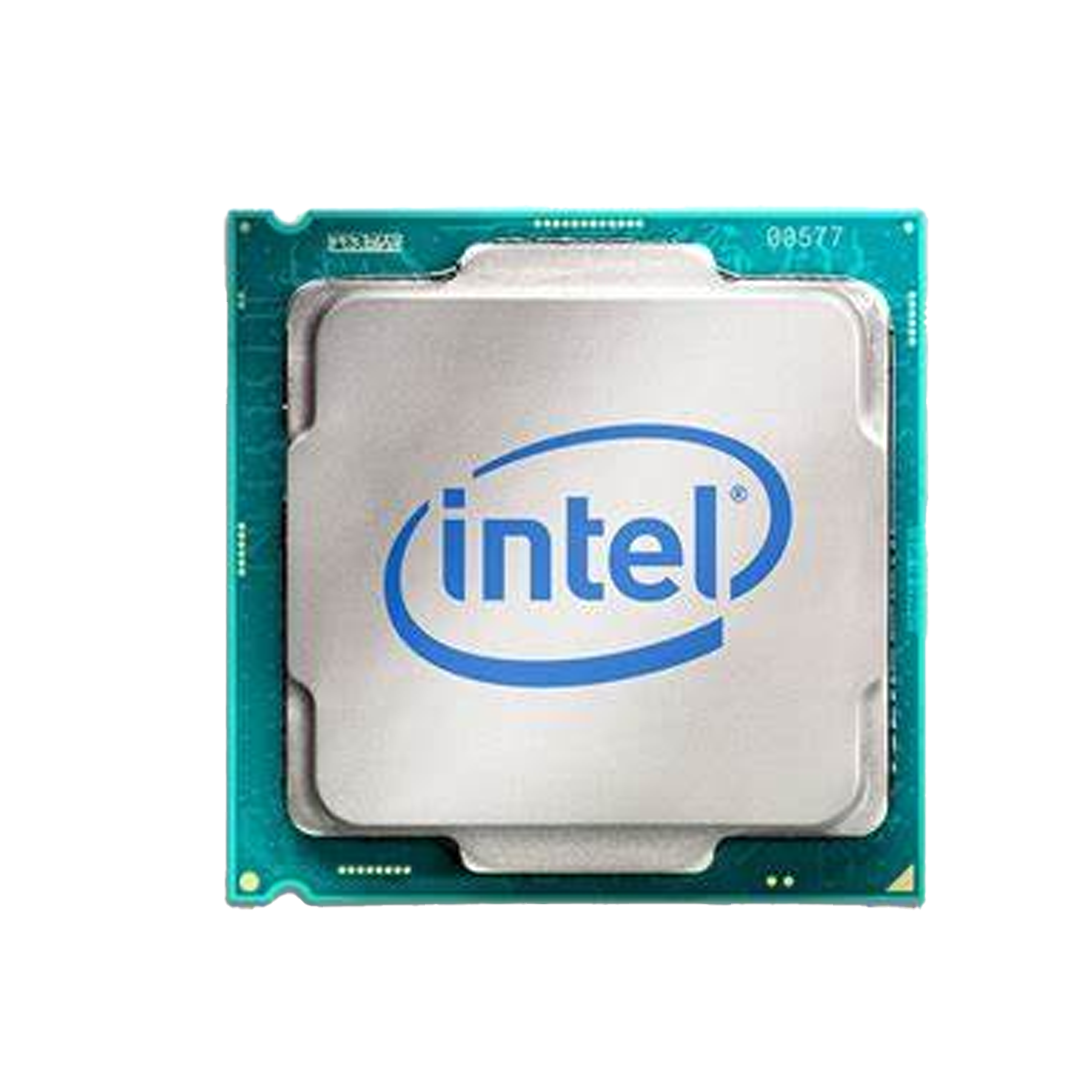
CPU
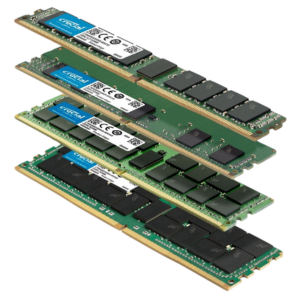
RAM
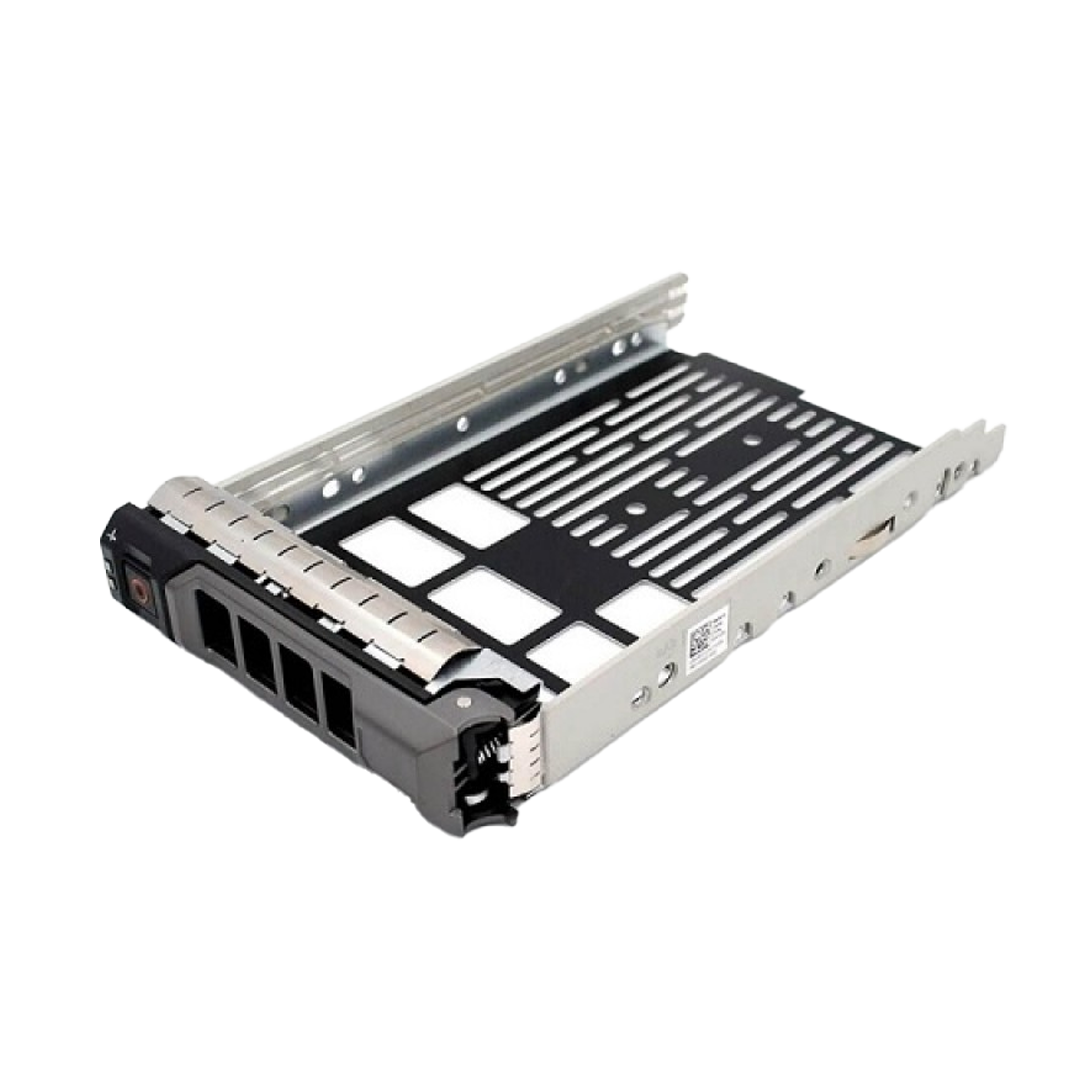
Storage
Operating system
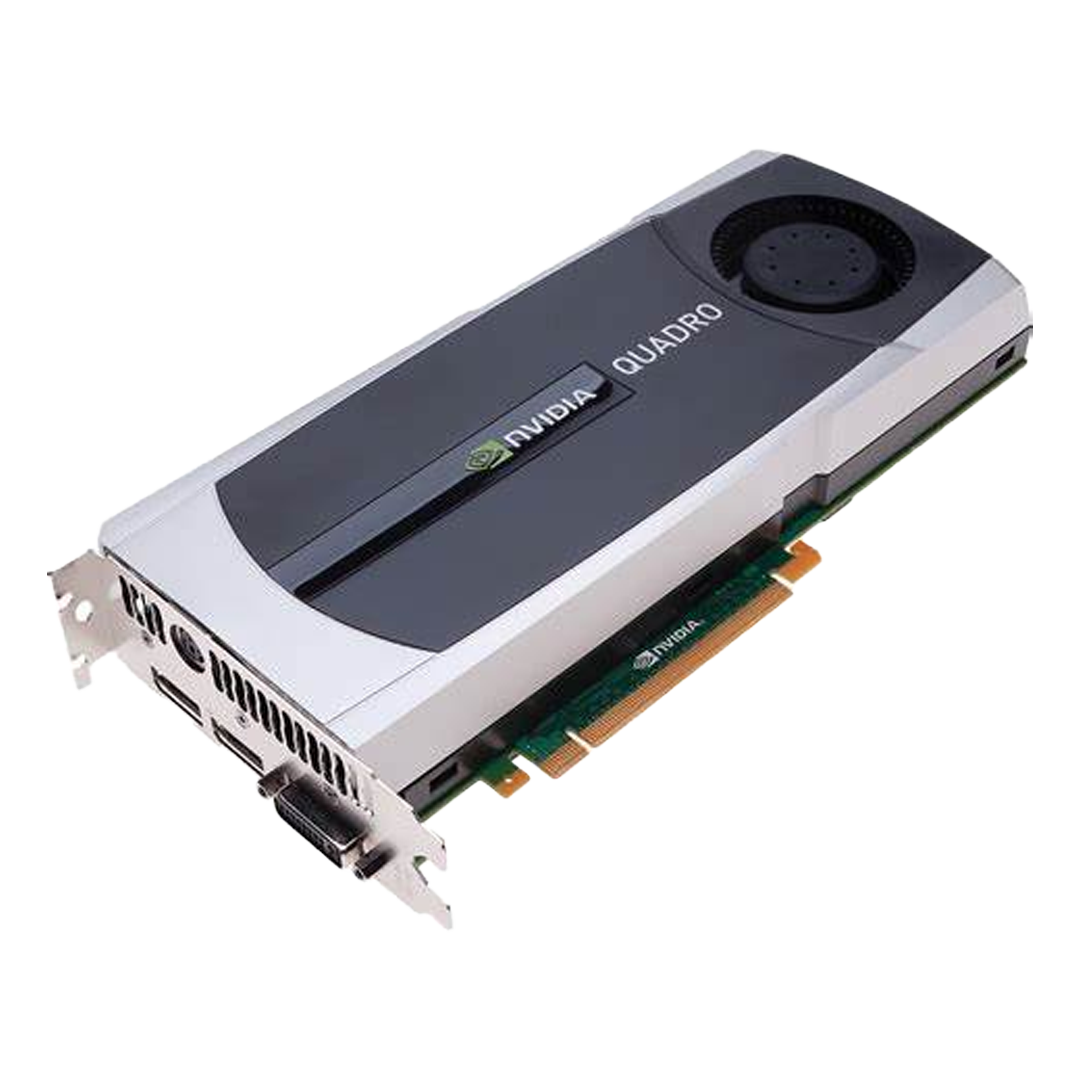
Graphical capabilities
Popular examples include:
Apple Mac desktops and laptops
Dell OptiPlex and Latitude lines
Lenovo ThinkCentre and ThinkPad lines
Full processing independence
High performance configurations
Local storage
More hardware expandability
Familiar OS environments
Graphic design
3D modeling
Video production
Engineering (CAD/CAM)
Software development
Power-user workflows
They are ideal when the workload needs powerful local hardware.
Performance is often the first metric decision-makers consider.
Traditional PCs clearly outperform in raw local processing.
High-end desktops can contain:
Multi-core CPUs
Discrete GPUs
NVMe storage
Meanwhile, offload processing to servers. Their performance depends on:
VDI server CPU
RAM allocation
Network quality
If your workloads include video editing, engineering design, or intensive multitasking, a powerful traditional PC may still be the better choice.
Security is one of the strongest advantages of thin-client infrastructures.
Data resides on the server, not locally
Encrypted communication channels
No local storage means reduced theft impact
Centralized patching and updates
Limited OS reduces vulnerabilities
Thin-client environments supported by:
VMware Horizon
Citrix Virtual Apps and Desktops
Microsoft Azure Virtual Desktop
offer enterprise-grade security controls.
Traditional PCs can also be secure, provided that:
OS patches are updated
Endpoint protection is deployed
Disk encryption (BitLocker, File Vault) is enabled
However, decentralized management makes this more time-consuming and error prone.
Pros:

Low device cost
Lower energy consumption
Longer lifespan
Minimal maintenance
Centralized management reduces IT labor
Reduced hardware failure rates
Cons:
Requires investment in VDI infrastructure
Higher upfront server and licensing costs
Pros:
Lower upfront investment (without VDI back-end)
No dependency on server hardware
Works offline
Cons:
Higher maintenance
Higher electricity usage
More hardware failures
Shorter lifecycle
Most large enterprises find thin clients cheaper over a 5–7year period, especially at scale.
Smaller businesses (under 20–50 employees) may find traditional PCs less expensive due to lower infrastructure needs.
Centralized control means:
Rapid deployment
Easy updates
Remote troubleshooting
Lower downtime
Unified security policies
This is particularly beneficial for companies with:
Multiple branches
Remote employees
Small IT teams
Managing local devices requires:
Manual updates
Distributed patching
More frequent failures
Higher support workload
Large fleets of traditional PCs can generate significant IT labor costs.
Thin clients typically last longer because they lack:
Fans
Hard drives
Complex motherboards
Traditional PCs, especially those using HDDs, GPUs, and power-hungry CPUs, have shorter lifespans and more failure points.
User experience depends on:
Server performance
Network latency
VDI software optimization
High-quality deployments feel almost identical to local desktops.
Traditional PCs provide:
Full-speed local performance
Zero dependency on external servers
Rich multimedia support
For creative work, traditional PCs still dominate.
Require:
Stable, low-latency network
Sufficient bandwidth
Reliable server availability
Traditional PCs can work offline, giving them a big advantage in:
Remote locations
Field work
Unreliable network environments
Thin-client ecosystems scale very efficiently.
You can rapidly:
Provision new employees
Deploy standardized environments
Duplicate virtual desktops
Add new branches
Traditional PCs require more hands-on installation time.
Industries like:
Healthcare
Banking
Government
Call centers
often prefer thin clients because they support compliance standards like:
HIPAA
PCI-DSS
GDPR
Centralization makes audit control easier.
Thin clients consume 8–20 watts, while traditional PCs may consume 150–400 watts depending on load.
At scale, energy savings are huge.
Thin clients pair perfectly with remote work infrastructures such as:
Microsoft Azure Virtual Desktop
VMware Horizon
Traditional PCs require VPNs and distributed security management, which increases IT complexity.
Your workers use standardized applications
You have strict security or compliance needs
You prefer centralized IT management
You run multiple offices
Your workforce is remote or hybrid
You want lower long-term TCO
You have power users
Workloads demand high performance (video editing, CAD)
Applications require local installation
You have unreliable internet infrastructure
Many organizations use a hybrid approach, for example:
Thin clients for administrative roles
Full PCs for designers or developers
This is often the most cost-efficient and performance-efficient strategy.
With the rise of:
Cloud computing
Virtual desktops
Edge processing
AI-driven resource management
5G connectivity
Thin clients are becoming more capable.
However, traditional PCs will remain essential for hardware-intensive workflows.
The future is likely a balanced hybrid environment.
There is no one-size-fits-all answer, but here is the simplified conclusion:
| Business Size | Best Option | Why |
|---|---|---|
| Small business (1–20 users) | Traditional PCs | Lower startup cost |
| Medium company (20–200 users) | Thin clients or mixed | better management, lower TCO |
| Large enterprise (200+ users) | Thin clients | Scalability, security, centralized IT |
| Creative / engineering business | Traditional PCs | High performance needs |
| Multi-site organization | thin clients’ | Easy remote management |
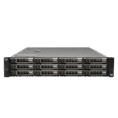
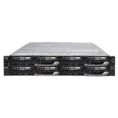
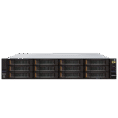
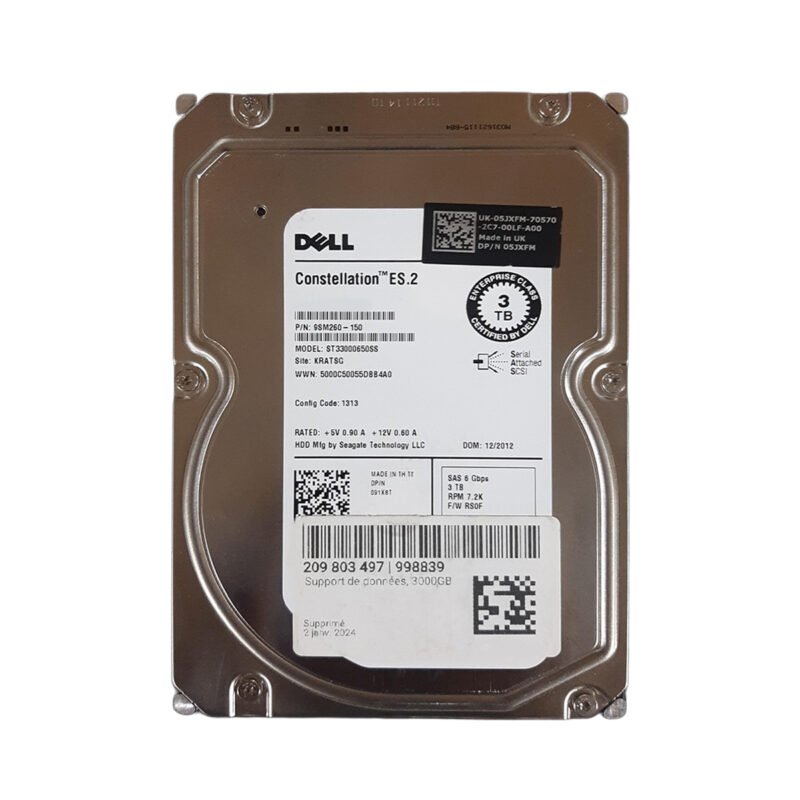
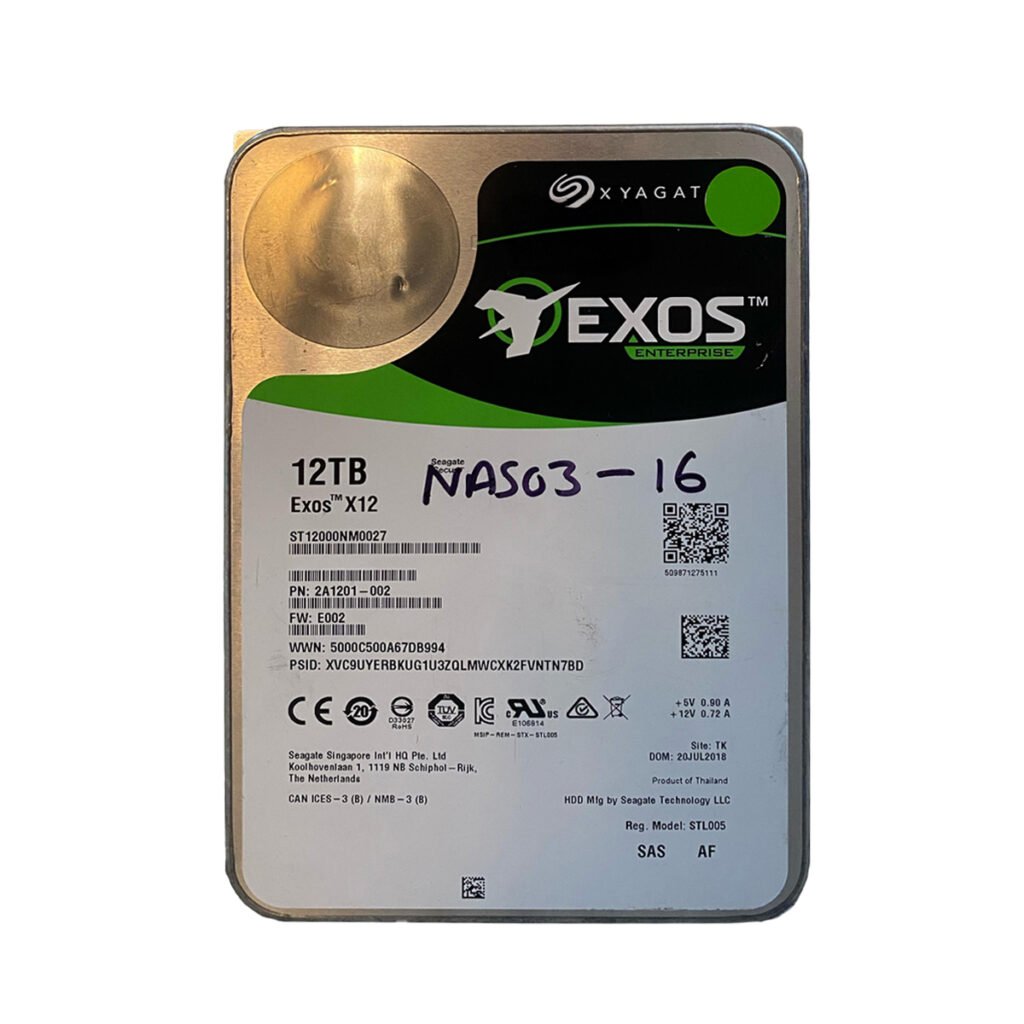
When choosing between thin clients and traditional PCs, also explore how Dell Storage Solutions for Business Backup and Archiving can support your data security and long-term storage needs.
No account yet?
Create an Account