When to Choose a Tower Server Over Rack Servers
Making the Right Server Choice for Your Business
Choosing the right server form factor is a critical decision for any business building or upgrading its IT infrastructure. While rack servers dominate large data centers, they are not always the best option for every organization. Understanding when to choose a tower server over rack servers helps businesses align performance, cost, space, and operational needs with the right hardware solution.
For small to medium-sized businesses, branch offices, and organizations without dedicated data centers, tower servers often provide a more practical and efficient alternative.
Understanding the Difference Between Tower and Rack Servers
Before deciding when to choose a tower server over rack servers, it is important to understand the core differences.
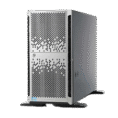
Tower servers:
Resemble traditional desktop PCs
Operate as standalone units
Do not require server racks or special infrastructure
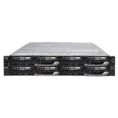
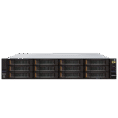
Rack servers:
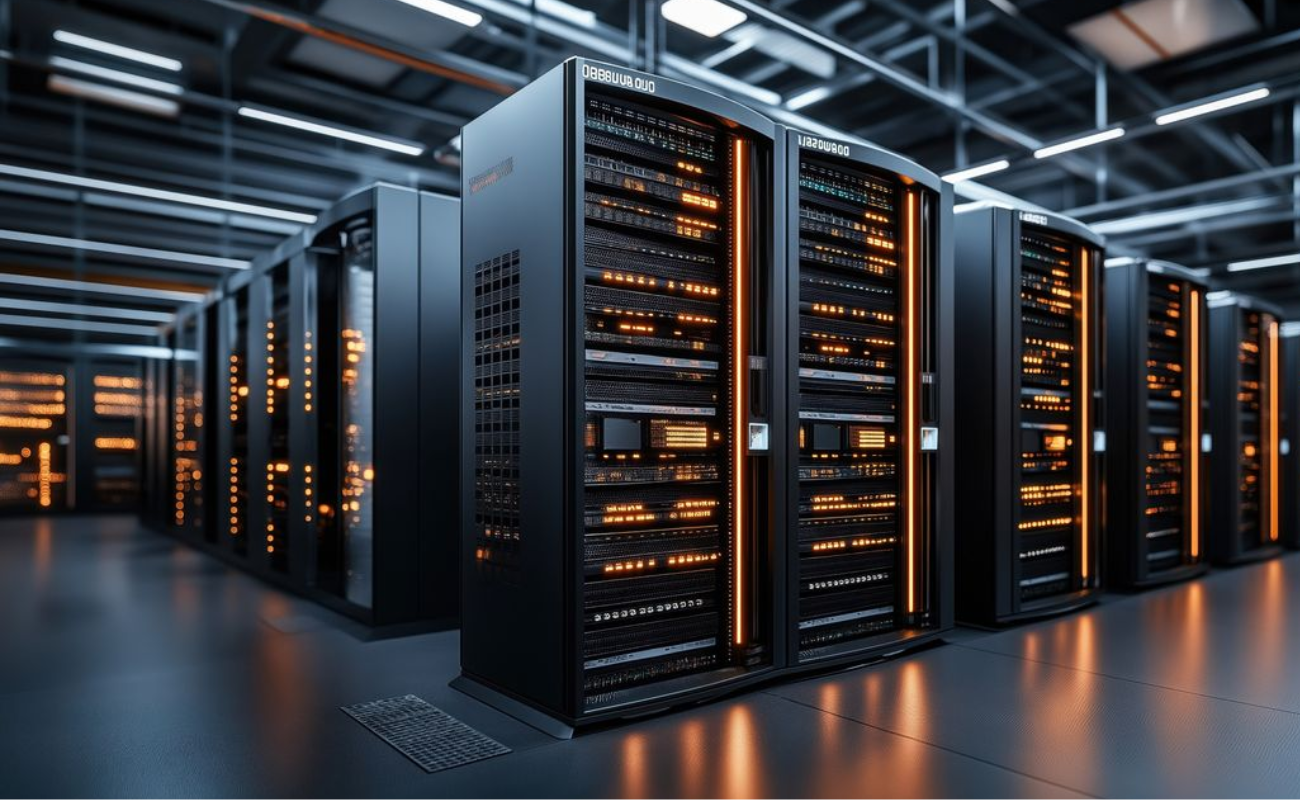
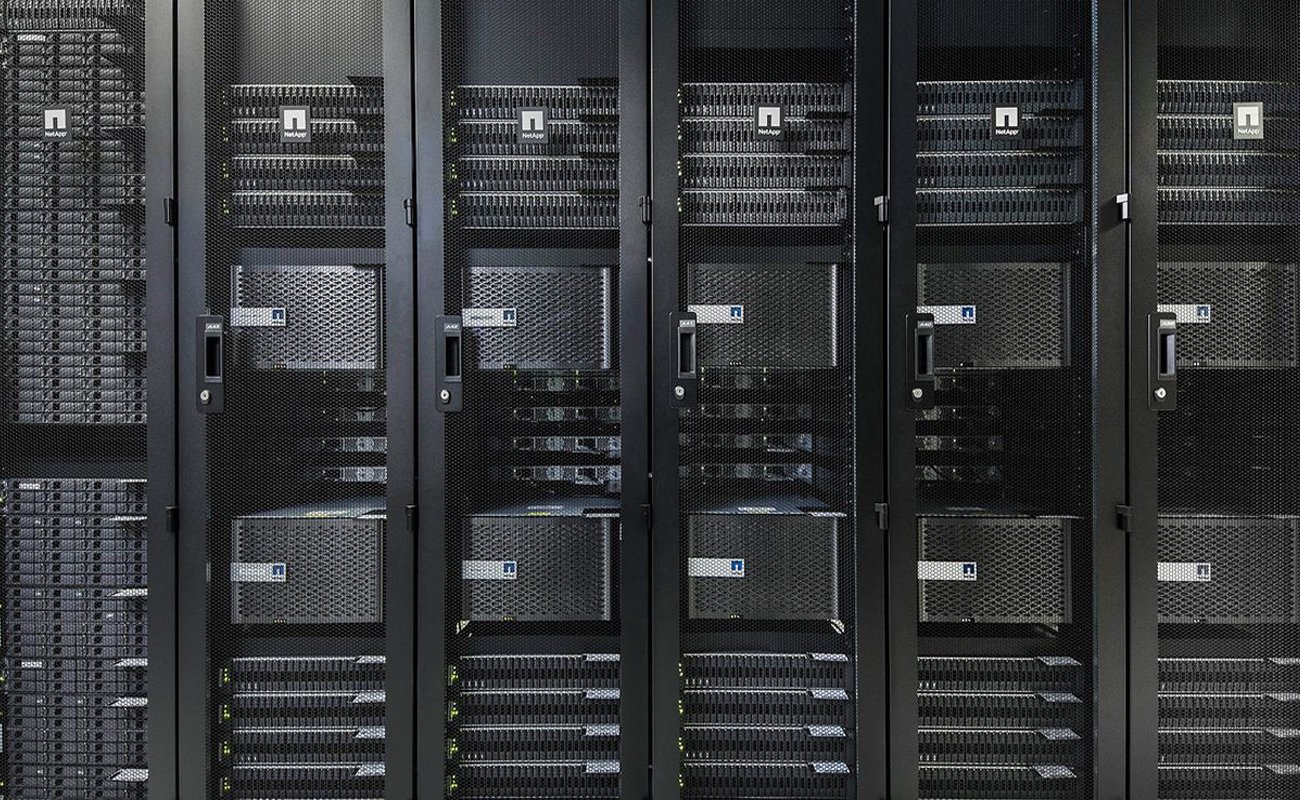
Designed for rack-mounted environments
Optimized for high-density data centers
Require additional investment in racks, cooling, and power distribution
Each form factor serves different operational scenarios.
When Limited Space Is a Priority
One of the most common situations when to choose a tower server over rack servers is when physical space is limited.
Tower servers are ideal for:
Small offices without server rooms
Retail locations or branches
Remote or edge environments
They can be placed under desks, in office corners, or in small IT closets without requiring racks or complex installation.
When You Don’t Have a Dedicated Data Center
Rack servers are designed for structured data center environments with raised floors, cooling systems, and power redundancy. Many businesses do not have this setup.
When to choose a tower server over rack servers becomes clear when:
There is no dedicated server room
Data center-grade cooling is unavailable
Infrastructure investment needs to stay minimal
Tower servers operate quietly and efficiently in office environments.
Cost-Effective IT Infrastructure for Small Businesses
Budget constraints are a major factor in server selection. One strong reason when to choose a tower server over rack servers is cost efficiency.
Tower servers:
Eliminate the need for racks, PDUs, and rail kits
Consume less power in smaller deployments
Reduce initial capital expenditure
For startups and SMBs, tower servers deliver enterprise-grade performance at a lower total cost of ownership.
Simpler Deployment and Maintenance
Tower servers are easier to deploy and maintain, especially for businesses without large IT teams.
When to choose a tower server over rack servers includes scenarios where:
Tower servers allow easy access to components without removing hardware from racks.
Lower Noise and Heat Output
Rack servers are designed for data centers where noise and heat are expected. In office environments, this can be disruptive.
Tower servers are a better choice:
This is a key factor when to choose a tower server over rack servers for office-based deployments.
Ideal for Small to Medium Workloads
Not all workloads require high-density rack environments.
Tower servers are well-suited for:
File and print services
Local application hosting
Small databases
Virtualization with limited VM count
Backup and domain controller roles
Understanding workload size is essential when to choose a tower server over rack servers.
Scalability Without Complexity
While rack servers scale vertically in dense environments, tower servers offer simpler scalability for growing businesses.
When to choose a tower server over rack servers includes situations where:
This avoids over-investing in infrastructure too early.
Energy Efficiency for Small Deployments
Tower servers typically consume less power than rack servers designed for high-density performance.
Benefits include:
This makes tower servers a practical choice for businesses aiming to control operational expenses.
Use Cases Where Tower Servers Make the Most Sense
Clear examples when to choose a tower server over rack servers include:
Small and medium-sized businesses
Branch offices and remote sites
Educational institutions
Clinics and professional offices
Retail and point-of-sale environments
These environments prioritize simplicity, cost control, and reliability over density.
When Rack Servers Are the Better Choice
To make a balanced decision, it’s important to note when rack servers are more suitable:
Large-scale virtualization
High-performance computing
Enterprise data centers
Large cloud or hosting environments
Understanding this contrast helps clarify when to choose a tower server over rack servers.
Knowing when to choose a tower server over rack servers allows businesses to make smarter infrastructure decisions. Tower servers offer flexibility, affordability, quiet operation, and ease of deployment—making them ideal for smaller environments and growing organizations.
Rather than following enterprise trends blindly, businesses should assess their space, workload, budget, and IT capabilities. In many real-world scenarios, tower servers provide the perfect balance between performance and practicality.