














































In modern enterprise networks, flexibility and scalability are essential. As businesses expand, upgrade network speeds, or migrate to fiber connectivity, choosing the right networking components becomes critical. One such component that continues to play an important role in networking infrastructure is the Transceiver.
Understanding what a transceiver is and when to use it can help organizations make smarter decisions when designing or upgrading their networks. Whether you are managing switches, routers, or enterprise servers, GBIC modules provide adaptability and long-term value.
In this comprehensive guide, we will explain what a transceiver is, how it works, its types, advantages, use cases, and how it compares to modern alternatives. By the end, you will clearly know when a transceiver is the right choice for your business network.
Planning a flexible network upgrade? Explore enterprise networking components built for scalable infrastructure.
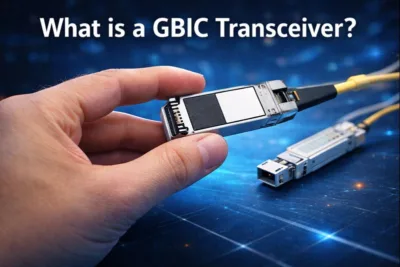
What Is a ( GBIC ) Transceiver?
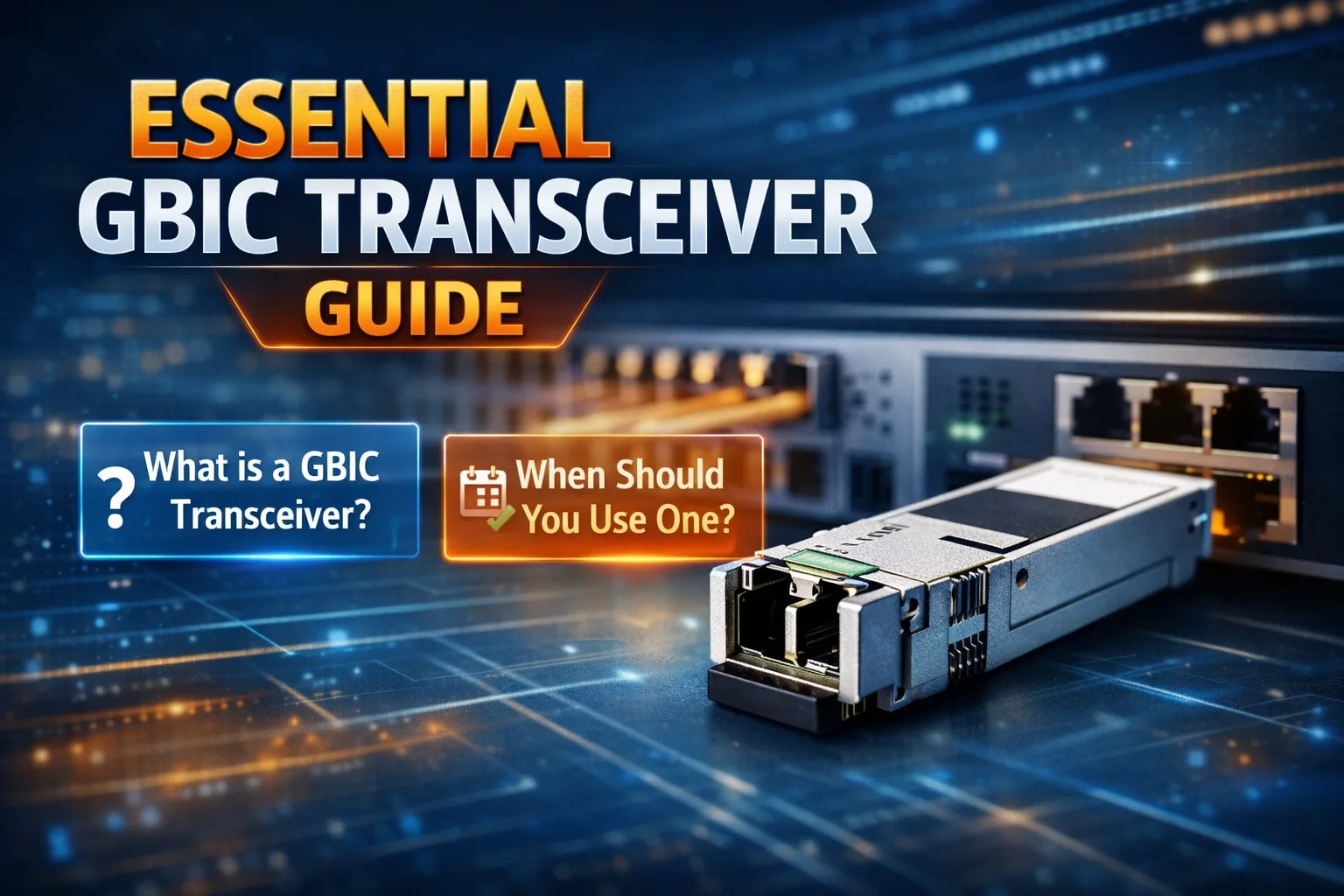
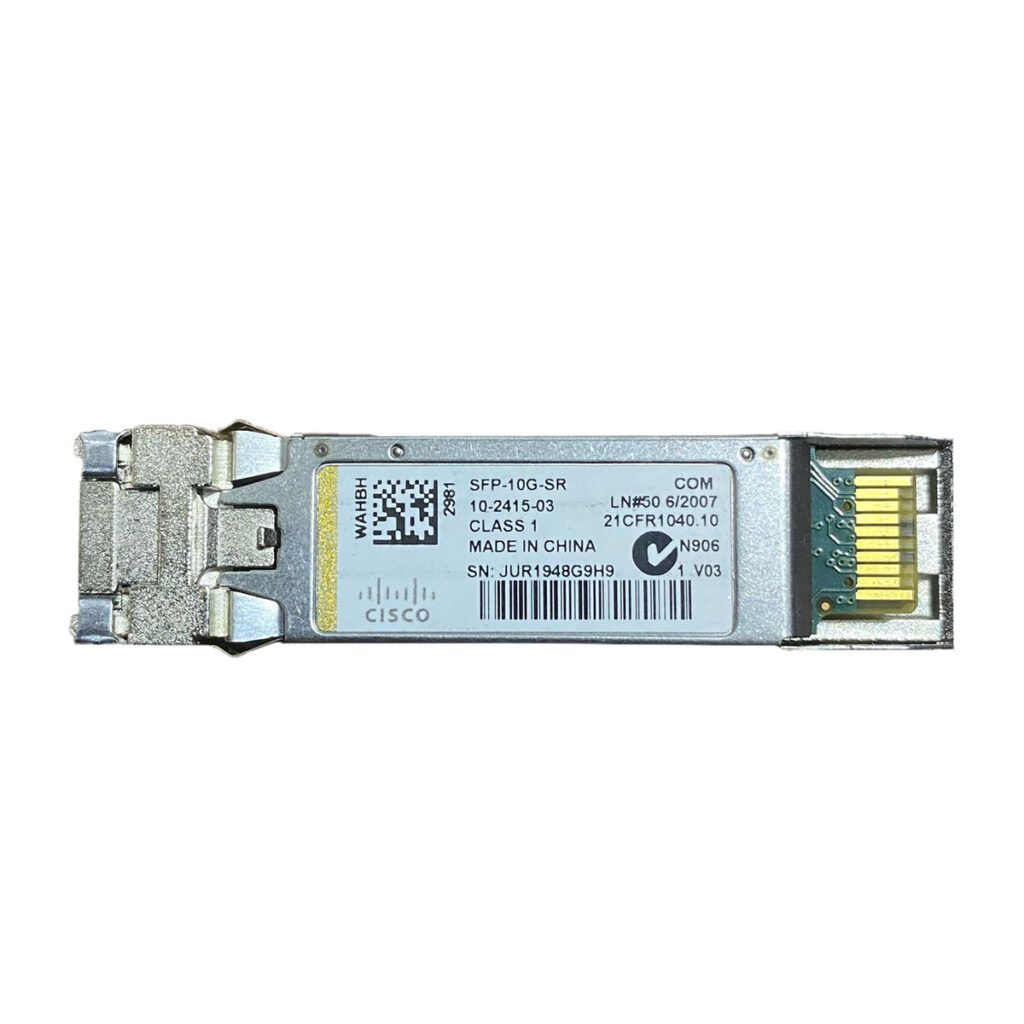
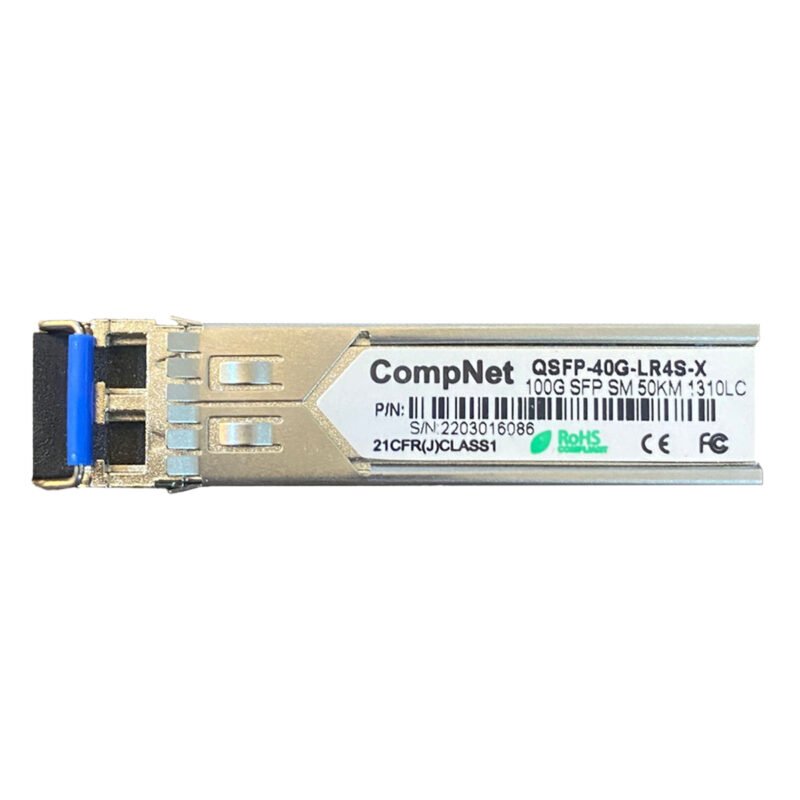
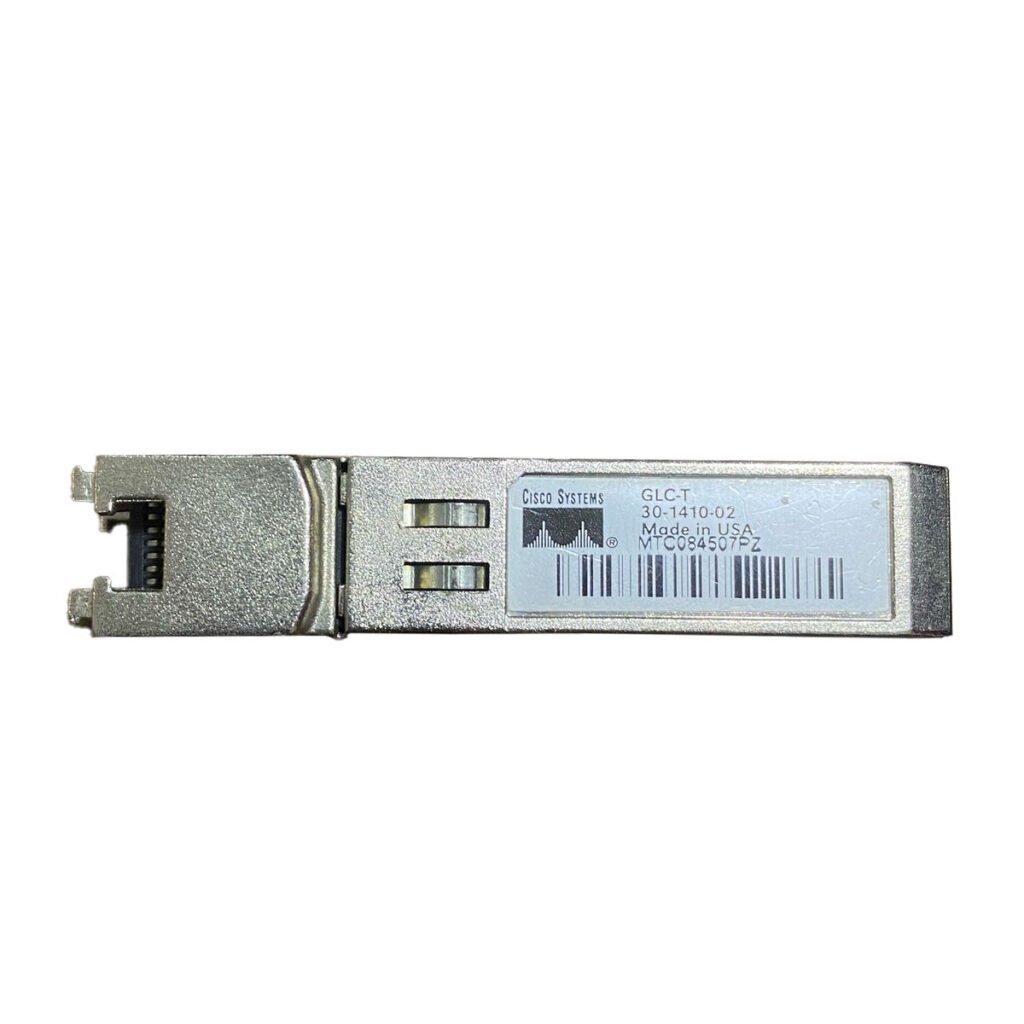
A GBIC (Gigabit Interface Converter) transceiver is a hot-swappable input/output module used in networking devices such as switches and routerss. Its primary function is to convert electrical signals into optical signals (or vice versa), allowing network devices to connect over fiber or copper media.
transceivers were originally designed to support Gigabit Ethernet speeds and provide modularity in network hardware. Instead of replacing an entire switch to change media types, administrators could simply replace the GBIC module.
This modular approach made transceivers highly popular in enterprise and campus networks.
Looking for modular network connectivity options? Discover enterprise-grade transceivers and switching solutions.
How a Transceiver Works
A transceiver plugs into a GBIC port on a network switch or router. Once inserted, it acts as the physical interface between the networking device and the transmission medium.
The transceiver handles signal conversion, transmission, and reception, ensuring data is sent accurately across copper or fiber cables. Because GBICs are hot-swappable, they can be installed or replaced without powering down the network device.
This capability minimizes downtime and simplifies maintenance in enterprise environments.
Reduce downtime with hot-swappable networking components designed for business continuity.
Types of Transceivers
transceivers are available in several types, depending on the transmission medium and distance requirements.
Copper Transceivers
Copper GBICs use standard Ethernet cables and are typically deployed for short-distance connections within racks or rooms.
Fiber Transceivers
Fiber-based GBICs support longer distances and higher reliability. They are commonly used for building-to-building connectivity or campus networks.
Single-Mode vs Multi-Mode GBICs
Single-mode GBICs support long-distance transmission, while multi-mode GBICs are designed for shorter distances with higher bandwidth.
Choose the right transceiver type to match your network distance and performance needs.
Common Speeds and Standards
Traditional transceivers typically support 1 Gbps (Gigabit Ethernet) speeds. While newer standards have emerged, GBICs remain relevant in legacy and cost-sensitive environments.
Many enterprise networks still operate Gigabit backbones where transceivers provide reliable and affordable connectivity.
Maintain stable network performance with proven Gigabit networking solutions.
 When Should You Use a Transceiver?
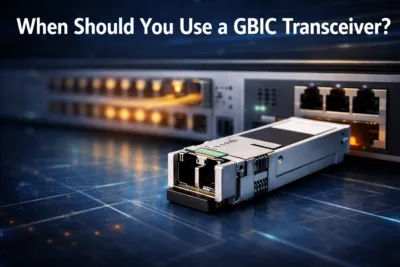 When Should You Use a Transceiver?
transceivers are best used in specific scenarios where flexibility, compatibility, and cost efficiency are priorities.
Legacy Network Environments
Organizations using older switches and routers with GBIC slots can extend hardware life by continuing to use GBIC modules.
Budget-Conscious Network Upgrades
transceivers offer a cost-effective way to support fiber connectivity without upgrading entire networking devices.
Campus and Building Connectivity
GBICs are suitable for connecting different buildings within a campus where Gigabit speeds are sufficient.
Optimize your existing infrastructure with cost-effective network expansion options.
Compatibility with Switches and Routers
Not all transceivers are universally compatible. transceivers must match the specifications and vendor requirements of the switch or router.
Using certified or compatible modules ensures stable performance and avoids hardware issues.
Ensure seamless compatibility by choosing tested and enterprise-approved transceivers.
Use Cases in Enterprise Networks
transceivers are commonly used in:
- Campus networks
- Data center access layers
- Industrial environments
- Legacy enterprise infrastructures
They provide reliable connectivity where Gigabit speeds meet business requirements.
Support your enterprise network with proven connectivity solutions.
Advantages of Transceivers
- Modular and flexible design
- Hot-swappable installation
- Cost-effective for Gigabit networks
- Reliable performance
These benefits make GBICs a practical choice for many organizations.
Invest in reliable networking components that deliver long-term value.
Limitations of Transceivers
While useful, transceivers have limitations:
- Larger size compared to modern modules
- Limited to Gigabit speeds
- Reduced availability in new hardware
Understanding these limitations helps businesses plan future upgrades.
Plan your network roadmap with scalable hardware solutions.
Choosing the Right Transceiver
Selecting the right GBIC involves considering distance, cable type, compatibility, and budget.
Working with a trusted supplier ensures you receive the correct specifications and support.
Get expert guidance on choosing the right transceiver for your network.
Transceivers in UAE Business Networks
Many UAE businesses continue to use transceivers in education, government, and industrial sectors. These environments value reliability and controlled upgrade cycles.
GBIC modules remain a practical solution for maintaining stable connectivity without major infrastructure changes.
Maintain reliable enterprise connectivity with proven networking hardware in the UAE.
Transceivers and Network Future Planning
When planning long-term network upgrades, IT teams must balance current needs with future scalability. GBIC transceivers are often used as a transitional solution, allowing organizations to maintain existing Gigabit infrastructure while gradually preparing for higher-speed technologies. This approach helps reduce immediate capital expenses while keeping upgrade paths open.
In many enterprise environments, especially in education, government, and industrial sectors, hardware refresh cycles are longer. GBIC transceivers fit well into these strategies by providing stable connectivity without forcing a complete replacement of switches or routers.
Plan your network upgrades strategically with enterprise networking components that support smooth transitions.
Best Practices for Deploying Transceivers
To get the best performance from GBIC transceivers, proper deployment is essential. Always verify compatibility with your switch or router model, and ensure the correct fiber type and distance rating are selected. Incorrect pairing can lead to signal loss, reduced performance, or link instability.
It is also recommended to label transceivers and cables clearly, monitor temperature and port health, and keep spare modules available for quick replacement. Following these best practices improves reliability and reduces troubleshooting time in enterprise networks.
Improve network reliability by following best practices and using enterprise-approved transceivers.
Final Thoughts
So, what is a transceiver and when should you use one? transceivers are ideal for legacy networks, Gigabit connectivity, and cost-effective expansion.
While newer technologies exist, GBIC modules still serve an important role in enterprise networking when used in the right scenarios.
If you are also exploring advanced enterprise switching technologies, don’t miss our detailed article “Extreme Networks Switches: What Makes Them Stand Out?”, where we explain how modern switches leverage modular components like transceivers to deliver higher performance, scalability, and smarter network management.
Shop now
Sold out

Sold out

Sold out
Sold out
Sold out
Related posts
VPN Firewall vs Standard Firewall: 7 Key Differences

Businesses need reliable network security to protect sensitive information, prevent unauthorized access, and maintain secure commu...
Rack Server vs Tower Server: 6 Key Differences Explained

Rack Server vs Tower Server: 6 Key Differences Explained
Choosing between a rack server and a tower server is an important decisi...
SSD vs HDD Storage: 8 Key Differences Every Business Should Know
SSD vs HDD Storage: 8 Key Differences Every Business Should Know
Choosing the right storage technology is essential for businesse...
Router Performance Explained: 7 Factors That Affect Your Internet Speed

Router performance plays a critical role in determining how efficiently a business network handles daily operations. From cloud-ba...
10 Router Security Features That Help Protect Business Networks
Business networks are constantly exposed to security risks, from unauthorized access and malicious traffic to compromised devices ...

Stateful Firewall vs Next-Generation Firewall: 8 Major Differences
Firewalls play a critical role in protecting business networks from unauthorized access, suspicious traffic, and cyber threats. Ho...

7 Firewall NGFW Types Compared for Business Network Security
Choosing the right NGFW firewall is an important part of protecting business networks fro...
11 Server Features Every IT Manager Should Look For
11 Server Features Every IT Manager Should Look For
Choosing the right server is an important decision for any organization. Serv...
Best RAM Options for Performance Workstations
Best RAM Options for Performance Workstations
Modern performance workstations are built for demanding workloads such as 3D render...

Dual-WAN vs Single-WAN Routers: 6 Key Differences Compared
Modern businesses rely heavily on stable Internet connectivity for cloud applications, communication, online platforms, remote acc...
Wi-Fi Router vs Wired Router: 8 Differences Every Business Should Know
Choosing the right networking equipment is an important decision for any business. As organizations become increasingly dependent ...

Storage Buying Guide: 7 Things to Consider Before You Choose
Storage Buying Guide: 7 Things to Consider Before You Choose
Modern businesses generate and manage large amounts of data every da...
