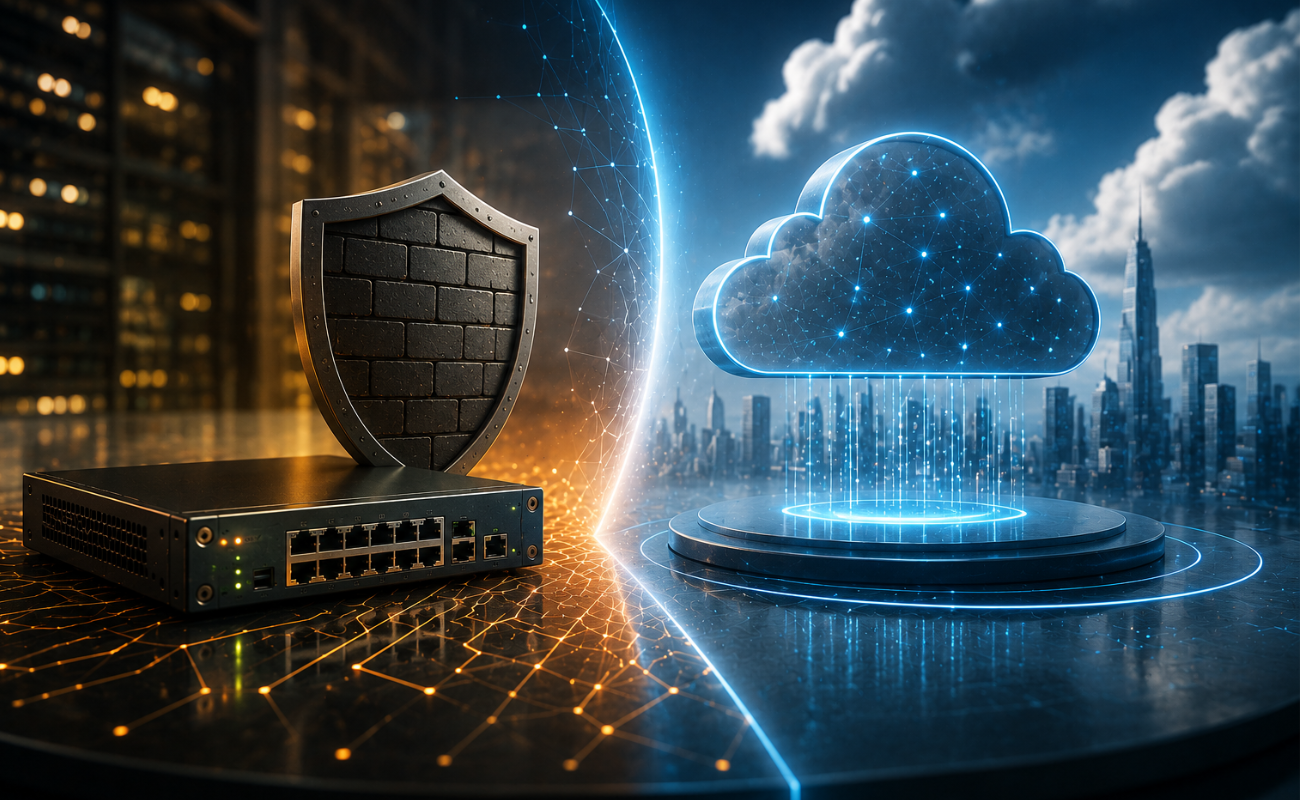
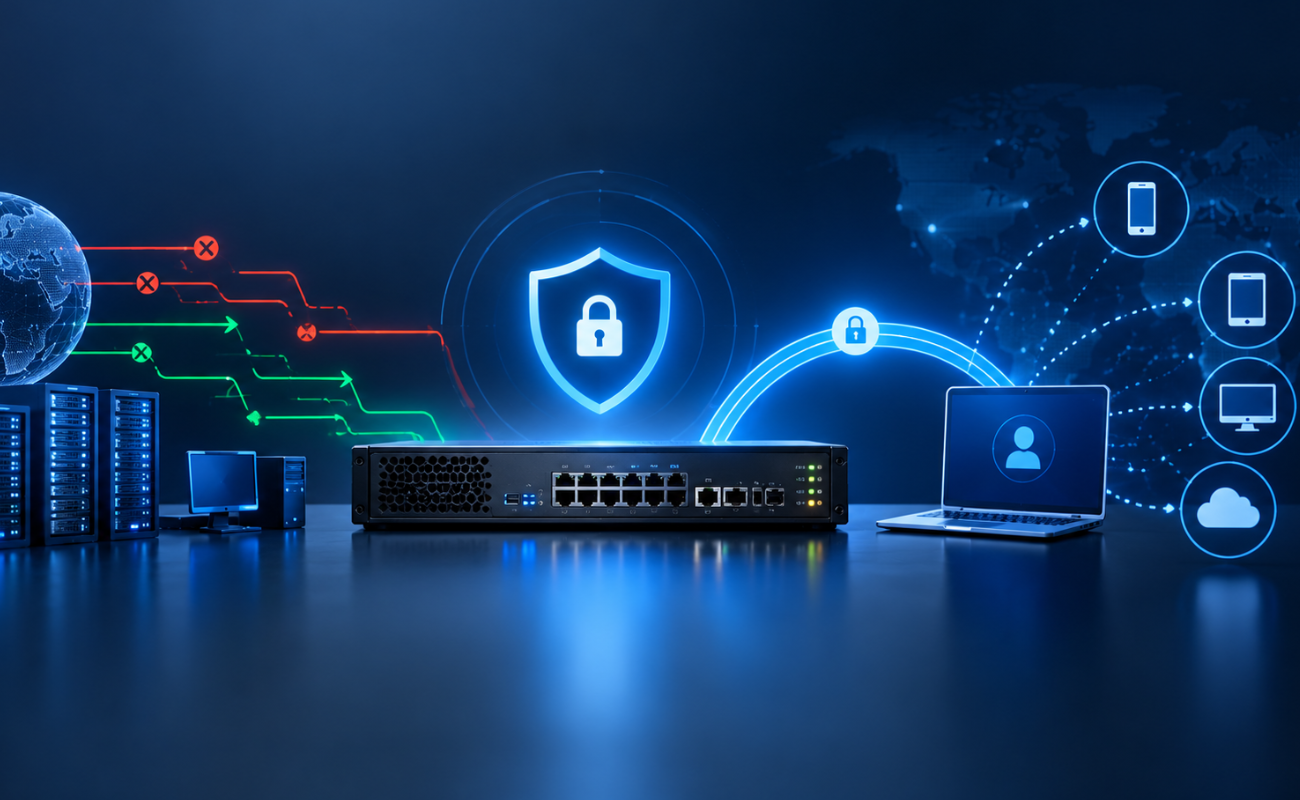
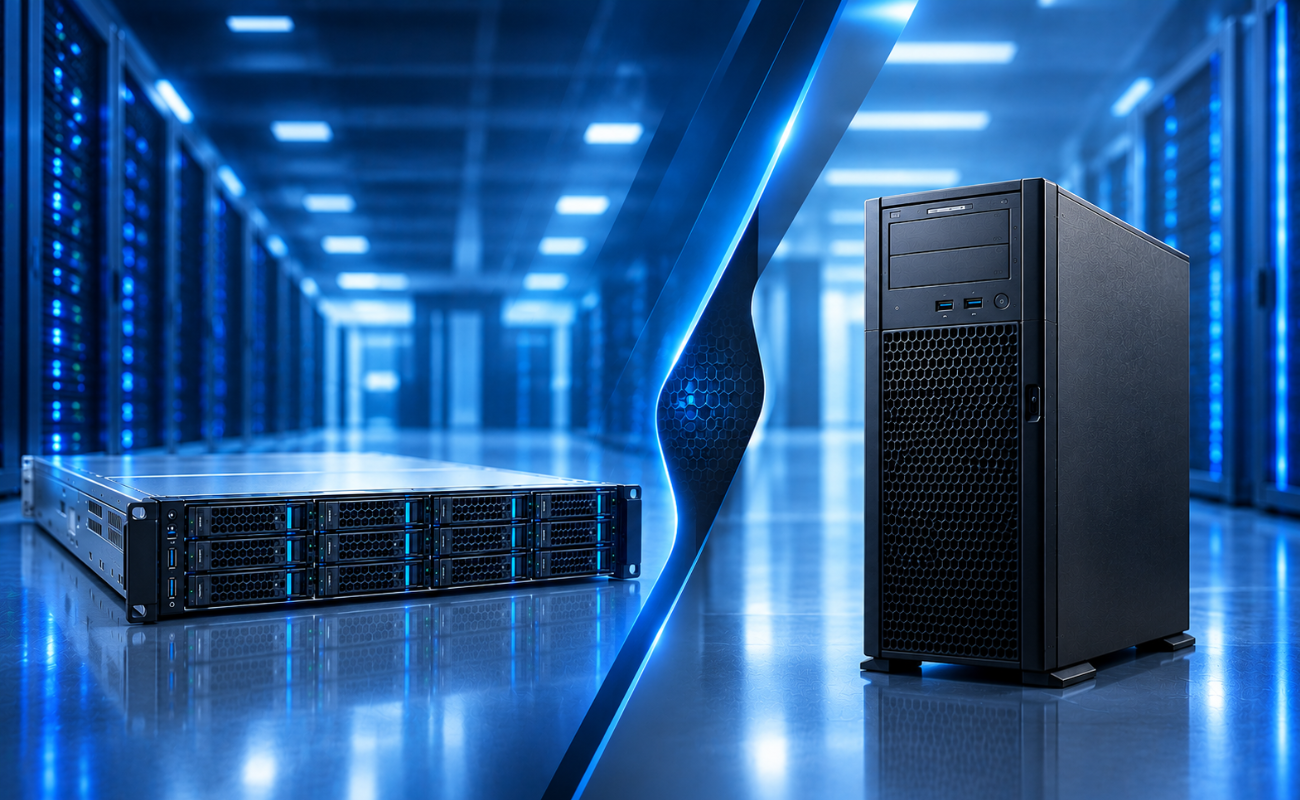
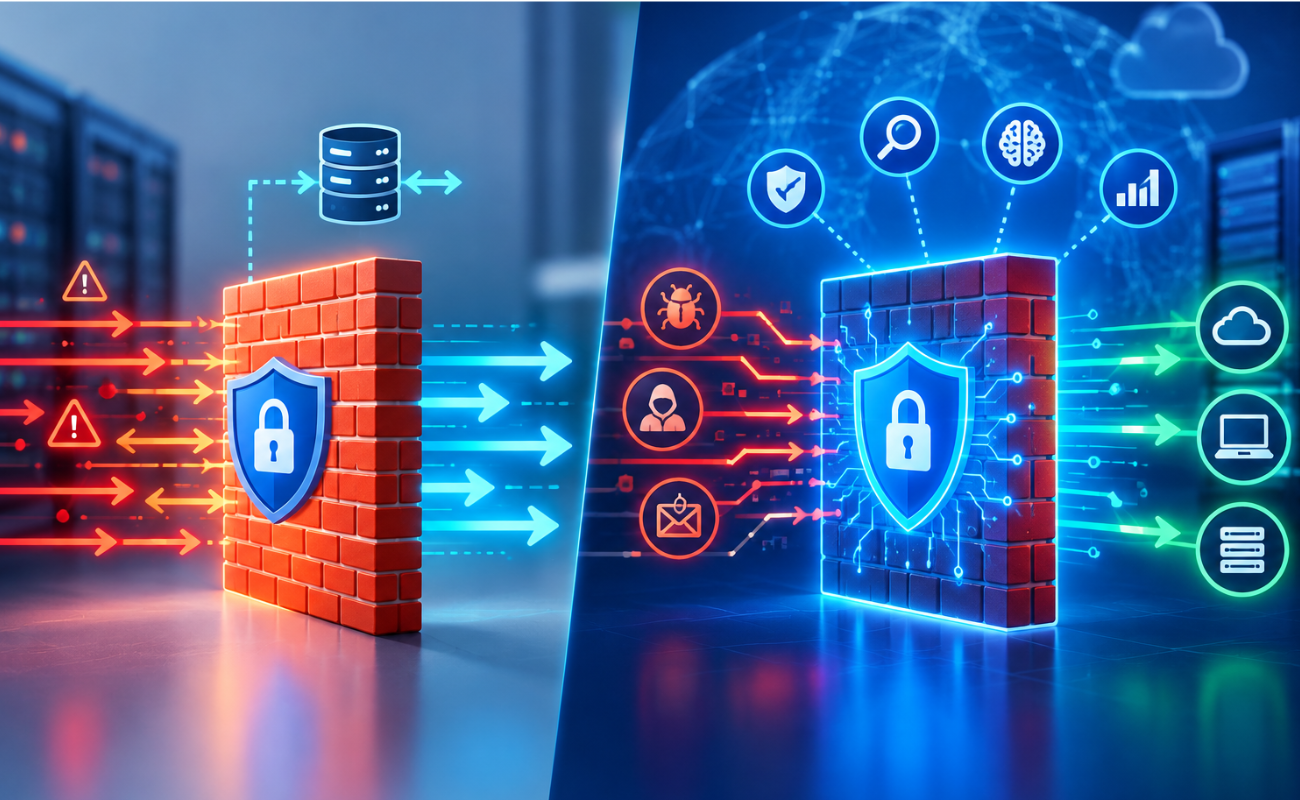
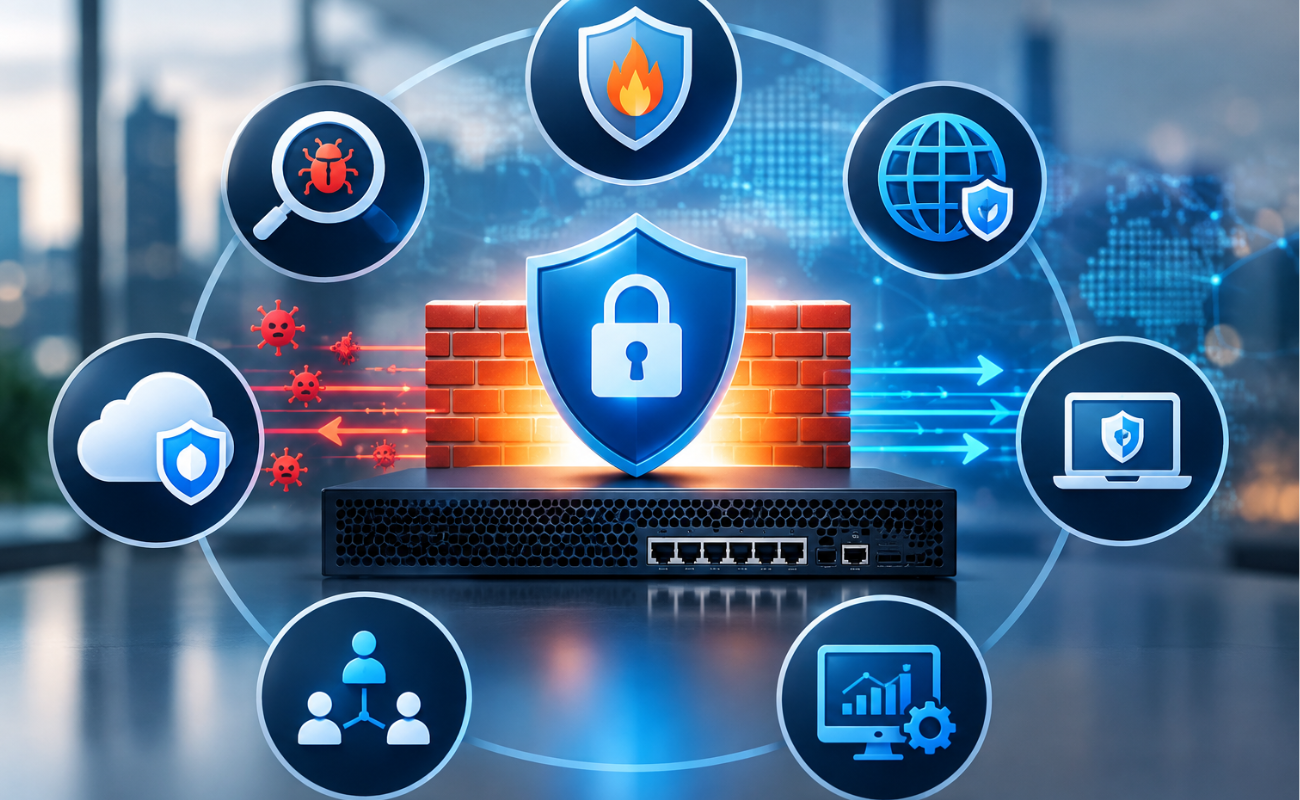
Choosing the right firewall is an important decision for businesses that want to protect their networks, applications, users, and data. Two popular options are hardware firewalls and cloud firewalls.
While both provide network security, they work differently and are designed for different business environments.
In this guide, we’ll explain 7 key differences between hardware and cloud firewalls, including security, performance, scalability, management, cost, deployment, and ideal use cases.
1. Deployment and Installation of Hardware Firewall vs Cloud Firewall
Hardware Firewall
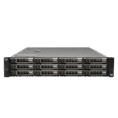
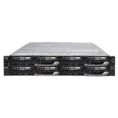
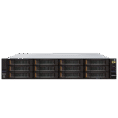
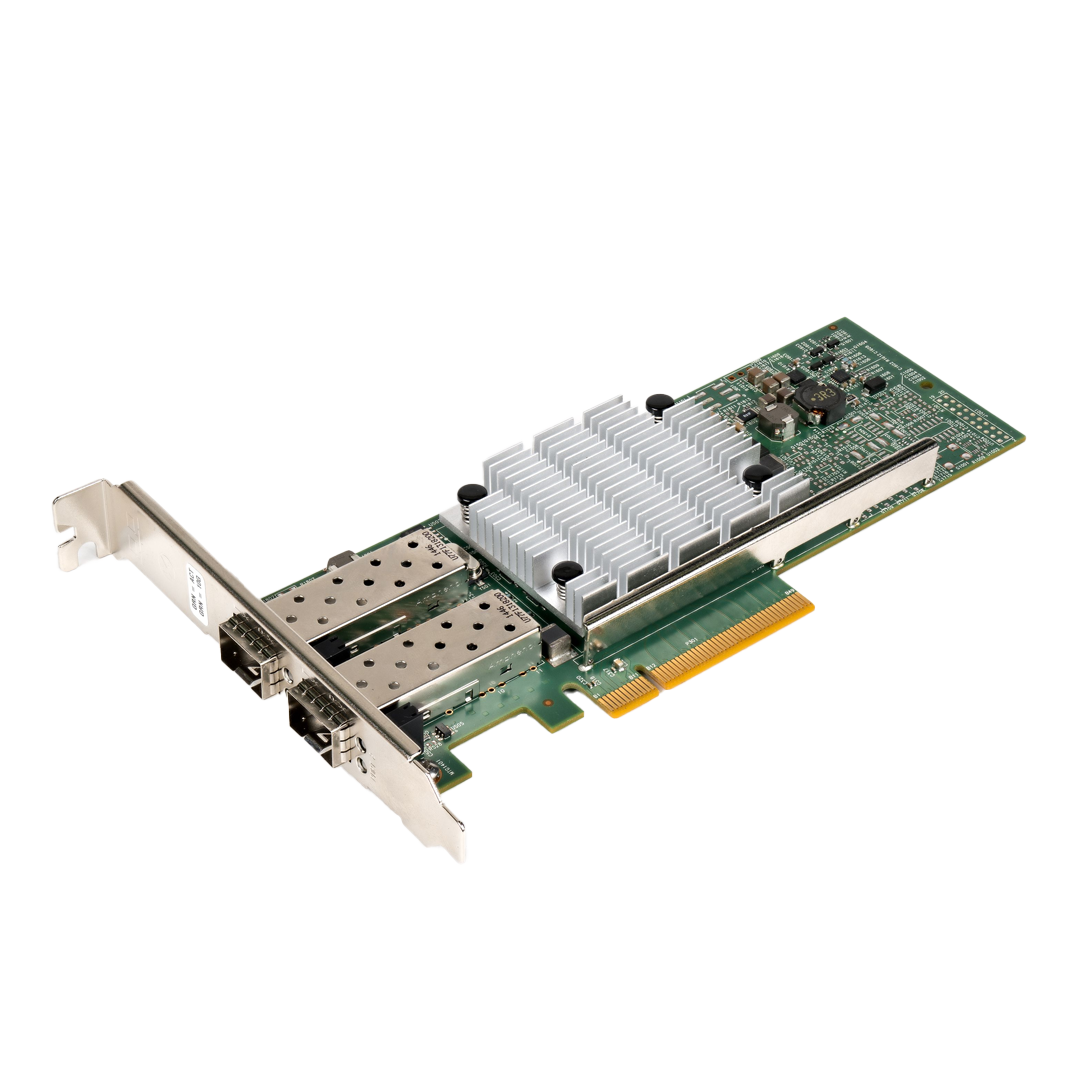
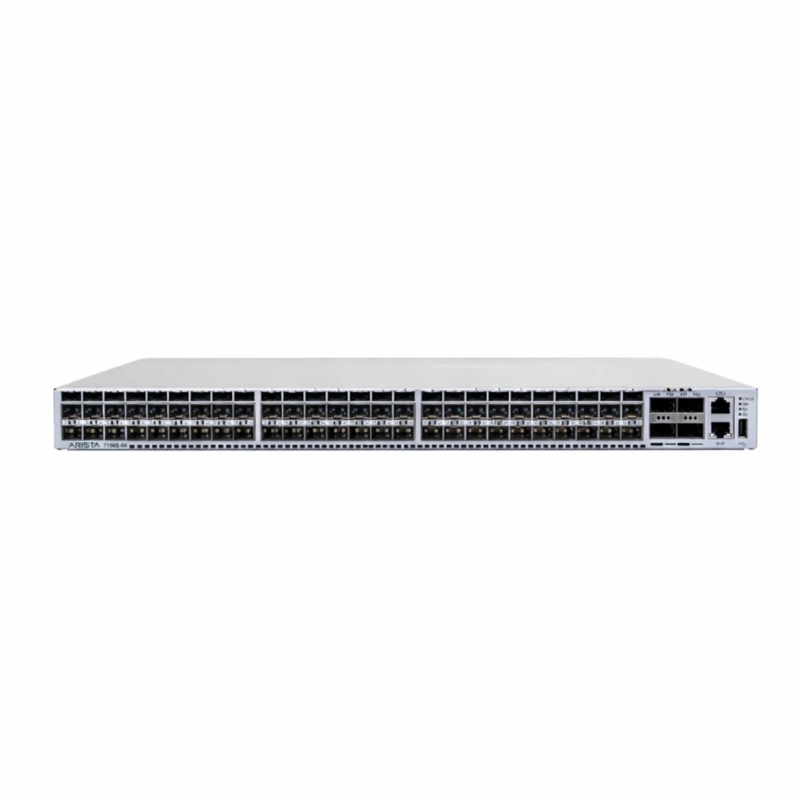
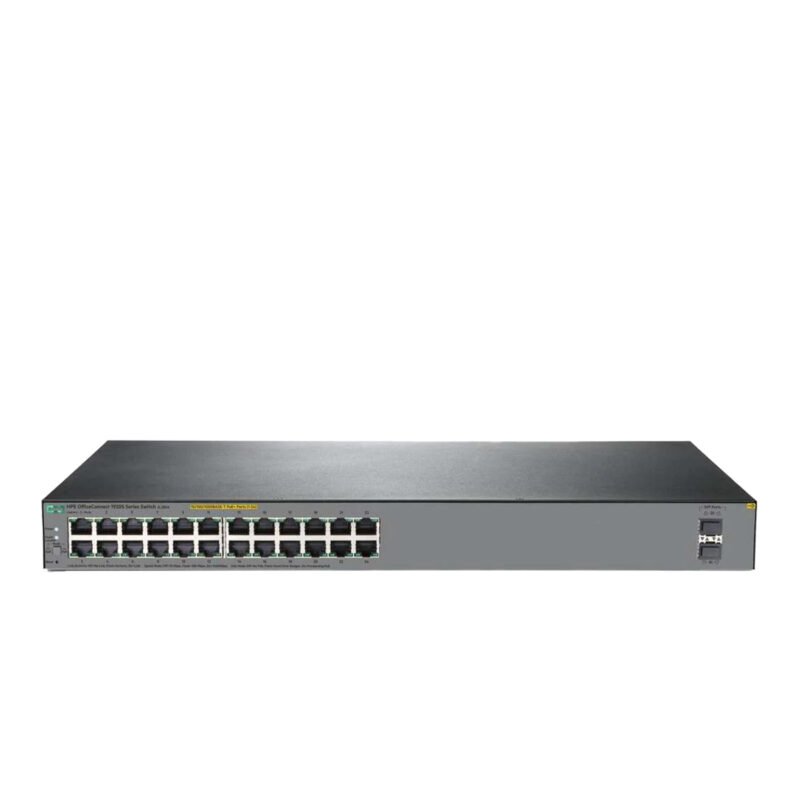
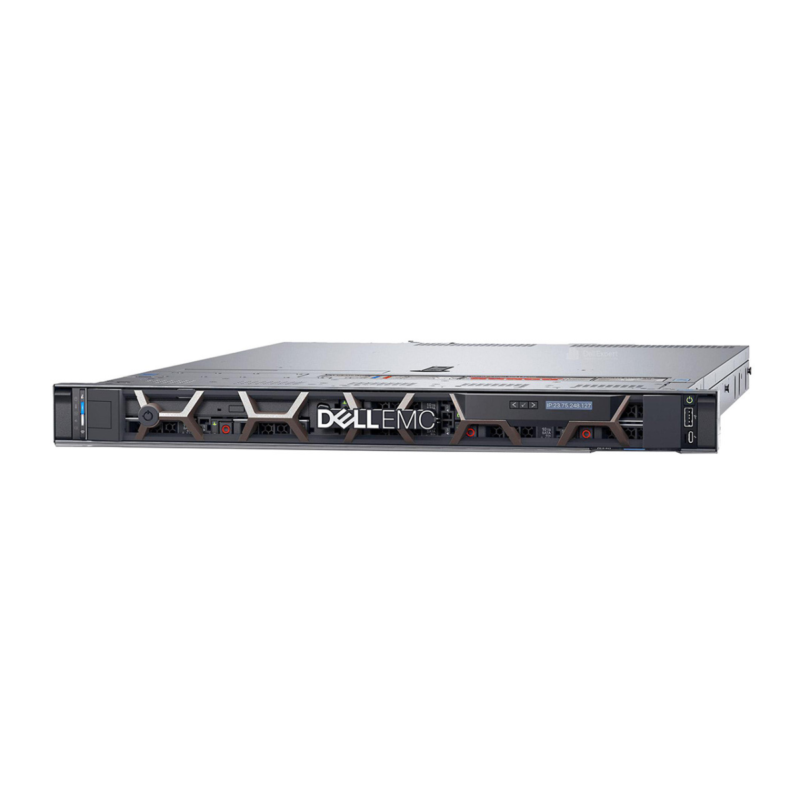
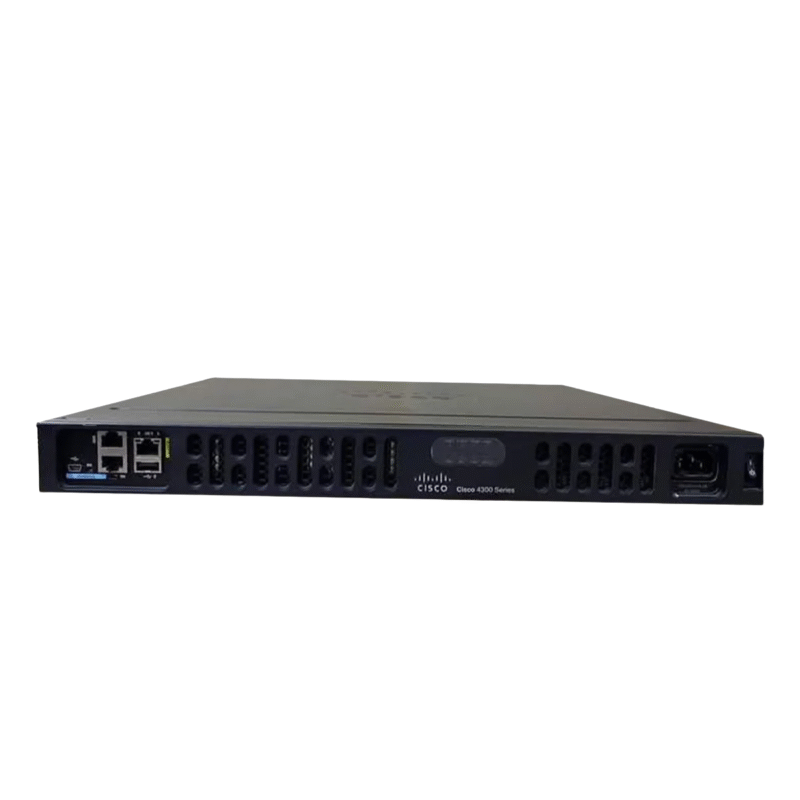
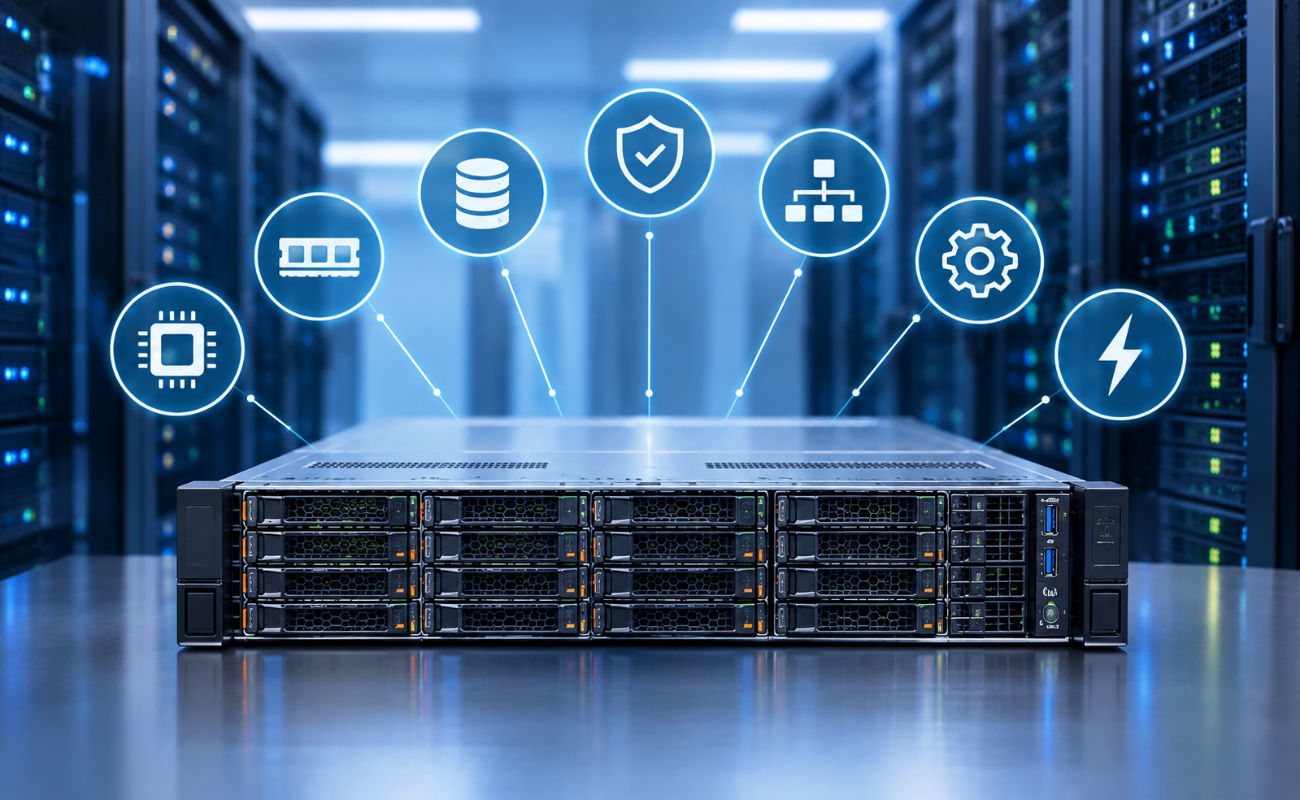
A hardware firewall is a physical security appliance installed within a company’s network infrastructure. It is commonly placed between the internal network and the internet.
Popular enterprise security solutions are available from brands such as Cisco, Fortinet, HPE, and other networking vendors, depending on the required features and model.
Hardware firewalls usually require:
- Physical installation
- Network configuration
- Cabling
- Firmware updates
- On-site maintenance
Cloud Firewall
A cloud firewall is deployed as a virtual security service within a cloud environment or provided as a cloud-managed security solution.
There is no physical appliance to install at the business location.
Cloud firewalls can protect:
- Cloud applications
- Virtual machines
- Remote users
- Cloud networks
- Internet-facing services
Key Difference: Hardware firewalls require physical deployment, while cloud firewalls can be deployed virtually and managed through cloud platforms.
2. Performance and Network Speed for Hardware Firewall vs Cloud Firewall
Hardware Firewall
Hardware firewalls are designed specifically for network security and can provide high throughput with dedicated processing resources.
They are suitable for businesses with:
- Large numbers of users
- High network traffic
- Local data centers
- On-premises applications
- High-speed network connections
Performance depends on the firewall model, hardware specifications, enabled security features, and network traffic.
Cloud firewalls use cloud infrastructure to process and filter traffic. Resources can often be adjusted according to demand.
This makes cloud firewalls attractive for businesses with changing workloads or cloud-based applications.
However, performance can also depend on:
- Internet connectivity
- Cloud provider infrastructure
- Network architecture
- Traffic location
- Security services enabled
Key Difference: Hardware firewalls offer dedicated on-premises processing, while cloud firewalls use cloud infrastructure that can adapt to changing workloads.
3. Scalability of Hardware Firewall vs Cloud Firewall
Scalability is especially important for growing businesses.
Hardware Firewall
A hardware firewall has a defined capacity based on its model and hardware specifications.
If network traffic grows significantly, the company may need to:
- Upgrade the firewall
- Add another firewall
- Replace the existing appliance
- Increase network capacity
Cloud Firewall
Cloud firewalls are generally more flexible when businesses need to expand their cloud infrastructure.
Organizations can protect additional:
- Virtual networks
- Applications
- Cloud workloads
- Remote locations
- Users
without necessarily installing additional physical appliances.
Key Difference: Cloud firewalls generally provide greater flexibility for rapidly changing or cloud-based environments.
4. Security and Protection Features for Hardware Firewall vs Cloud Firewall
Both hardware and cloud firewalls can provide strong security, but the available features depend heavily on the specific solution and licensing.
Hardware Firewall
Modern enterprise firewall appliances can provide features such as:
- Stateful packet inspection
- VPN
- Access control
- Intrusion prevention
- Application control
- Web filtering
- Malware protection
- Network segmentation
Cloud Firewall
Cloud firewall solutions can provide security for cloud environments and may include:
- Traffic filtering
- Application security
- Network access controls
- Threat detection
- Virtual network protection
- Centralized security policies
Cloud security can also integrate with other cloud-native security services.
Key Difference: Hardware firewalls focus strongly on protecting physical and on-premises networks, while cloud firewalls are designed to secure cloud-based infrastructure and distributed environments.
5. Management and Monitoring of Hardware Firewall vs Cloud Firewall
Hardware Firewall
Hardware firewalls are commonly managed through:
- Web-based interfaces
- Command-line interfaces
- Centralized management platforms
- Network monitoring tools
IT teams may need to access the physical appliance for certain maintenance or troubleshooting tasks.
Cloud Firewall
Cloud firewalls are generally managed through online dashboards or centralized cloud management platforms.
Administrators can manage security policies remotely and monitor cloud environments from a centralized location.
This can be particularly useful for companies with:
- Multiple branches
- Remote employees
- Cloud workloads
- Distributed infrastructure
Key Difference: Cloud firewalls usually offer more convenient remote and centralized management, while hardware firewalls provide direct control over physical network security infrastructure.
6. Cost and Pricing Model
Cost is another major difference.
Hardware firewalls usually involve an initial investment that can include:
- Firewall appliance
- Security licenses
- Installation
- Network equipment
- Maintenance
- Support contracts
The initial cost can be higher, but the appliance becomes part of the company’s infrastructure.
Cloud Firewall
Cloud firewalls commonly use subscription or usage-based pricing.
Costs may depend on factors such as:
- Traffic volume
- Number of protected resources
- Security features
- Cloud provider
- Number of users or locations
This can reduce the need for large upfront hardware investments.
Key Difference: Hardware firewalls usually require higher upfront infrastructure investment, while cloud firewalls commonly use recurring cloud-based pricing.
7. Best Use Cases for Businesses
The best option depends on how your business operates.
Hardware Firewall Is a Good Choice For:
- Traditional on-premises networks
- Data centers
- Offices with large local networks
- Businesses with predictable traffic
- Organizations requiring dedicated network appliances
- Environments with strong on-premises infrastructure
Cloud Firewall Is a Good Choice For:
- Cloud-first businesses
- Remote work environments
- Distributed organizations
- Businesses using multiple cloud services
- Rapidly growing companies
- Applications hosted in cloud environments
Key Difference: Hardware firewalls are often ideal for physical and on-premises infrastructure, while cloud firewalls are particularly useful for distributed and cloud-based businesses.
Hardware Firewall vs Cloud Firewall: Quick Comparison
| Feature |
Hardware Firewall |
Cloud Firewall |
| Deployment |
Physical appliance |
Virtual/cloud-based |
| Installation |
On-site |
Online/cloud deployment |
| Performance |
Dedicated hardware |
Cloud infrastructure |
| Scalability |
Hardware-dependent |
Highly flexible |
| Management |
Local/centralized |
Cloud-based |
| Cost |
Higher upfront investment |
Subscription/usage-based |
| Best For |
On-premises networks |
Cloud & distributed environments |
Which Firewall Is Better for Your Business?
There is no single firewall solution that is perfect for every organization.
Choose a hardware firewall if your business has a large on-premises network, data center, or requires dedicated network security infrastructure.
Choose a cloud firewall if your organization relies heavily on cloud applications, remote users, virtual infrastructure, or needs flexible scalability.
For many modern businesses, a hybrid security approach can also be effective, combining on-premises firewall protection with cloud security services.
How to Choose the Right Firewall
Before purchasing a firewall, consider these factors:
1. Network Size
Determine the number of users, devices, locations, and expected traffic.
2. Infrastructure
Identify whether your applications and workloads are primarily on-premises, cloud-based, or hybrid.
3. Security Requirements
Look for the security features your business actually needs, such as VPN, IPS, application control, and threat protection.
4. Scalability
Choose a solution that can support your expected business growth.
5. Budget
Consider both the initial investment and long-term licensing, support, and maintenance costs.
6. Management
Evaluate whether your IT team prefers physical infrastructure or centralized cloud management.
7. Business Continuity
Consider redundancy, failover, backup connectivity, and disaster recovery requirements.
Frequently Asked Questions
1. What is a hardware firewall?
A hardware firewall is a physical network security appliance that monitors and filters traffic between networks.
2. What is a cloud firewall?
A cloud firewall is a virtual or cloud-based security solution designed to filter and protect network traffic in cloud and distributed environments.
3. Is a cloud firewall more secure than a hardware firewall?
Not necessarily. Security depends on the specific firewall solution, configuration, security policies, updates, and overall network architecture.
4. Is a hardware firewall better for a small business?
It can be a good option for small businesses with physical offices and on-premises infrastructure, but the right choice depends on network requirements and budget.
5. Can a cloud firewall protect remote employees?
Yes. Cloud-based security solutions can be designed to protect remote users and distributed environments.
6. Does a hardware firewall require maintenance?
Yes. Hardware firewalls require firmware updates, configuration management, monitoring, and sometimes physical maintenance.
7. Is a cloud firewall expensive?
Pricing varies. Cloud firewalls commonly use subscription or usage-based pricing, so the total cost depends on traffic, resources, and selected features.
8. Can businesses use both hardware and cloud firewalls?
Yes. A hybrid approach can provide protection for both on-premises infrastructure and cloud environments.
9. Which firewall is easier to manage?
Cloud firewalls can simplify centralized remote management, but the actual experience depends on the vendor and management platform.
10. Which firewall should a growing business choose?
A growing business should evaluate its infrastructure, cloud usage, traffic requirements, security needs, and future expansion before choosing between hardware and cloud-based protection.
Conclusion
Hardware firewalls and cloud firewalls both provide valuable network protection, but they are designed for different environments.
Hardware firewalls are a strong choice for businesses with physical networks, data centers, and on-premises infrastructure. Cloud firewalls provide greater flexibility for organizations using cloud services, remote work, and distributed applications.
The right solution depends on your network architecture, security requirements, scalability needs, management preferences, and budget.