

































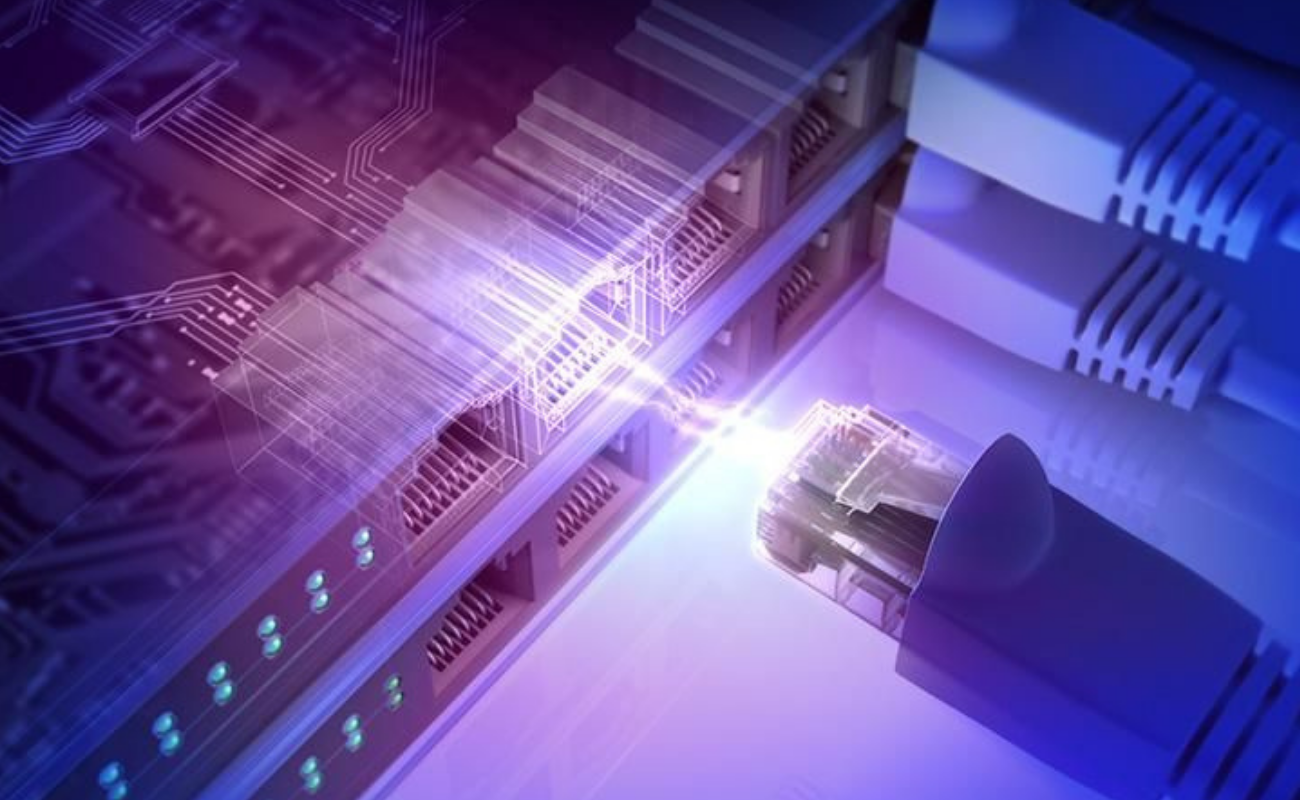
A reliable network is essential for businesses that depend on computers, servers, cloud applications, wireless access points, IP cameras, VoIP phones, and other connected devices. At the center of this infrastructure, the Network Switch plays a critical role in connecting devices and managing data traffic. However, like any other piece of IT hardware, a switch can eventually become outdated or unable to meet the demands of a growing network.
Knowing when to upgrade your Network Switch can help prevent unexpected downtime, slow performance, connectivity problems, and security limitations. Sometimes, businesses continue using an old switch simply because it still turns on and provides basic connectivity. However, working does not always mean that the hardware is still suitable for the network.
Modern businesses often require higher speeds, more ports, PoE support, better uplinks, advanced management features, and stronger security. If your existing switch cannot keep up with these requirements, upgrading may be a smarter option than continuing to work around its limitations.
In this guide, we will explain 10 important signs it’s time to upgrade your Network Switch, helping you determine whether your current hardware is still appropriate for your business network.
Explore the networking solutions available at SAS Points to find hardware designed for modern business infrastructure.
Why Network Switch Upgrades Matter
A switch can remain operational for years, but network requirements can change much faster than the hardware itself.
Your business may have started with a small number of computers and a basic Gigabit switch. Over time, you may have added employees, servers, access points, IP cameras, VoIP phones, storage systems, and other connected devices.
As the number of devices and the amount of traffic increase, an older switch may become a bottleneck.
Upgrading your network switch can provide access to:
- Higher network speeds
- More Ethernet ports
- Faster uplinks
- PoE support
- Better traffic management
- VLAN capabilities
- Improved security
- Network monitoring
- Greater scalability
The goal is not to replace a switch simply because it is old. Instead, you should upgrade when the current hardware can no longer provide the performance, features, reliability, or scalability your network requires.
If you’re evaluating your current infrastructure, SAS Points offers a range of Network Switch solutions for different business requirements.
10 Signs It’s Time to Upgrade Your Network Switch
1. Your Network Is Experiencing Frequent Downtime
One of the clearest signs that it may be time to upgrade your Network Switch is repeated network downtime.
If users frequently lose connectivity, switch ports unexpectedly go offline, or the entire network becomes unavailable, the switch may be contributing to the problem.
Frequent downtime can have several causes, including:
- Aging hardware
- Failing power supplies
- Overheating
- Faulty ports
- Firmware problems
- Hardware instability
- Insufficient capacity
- Configuration issues
Before replacing the switch, it is important to troubleshoot the network and determine whether the switch is actually the source of the problem.
However, if the hardware repeatedly fails despite proper troubleshooting and maintenance, replacement may be more practical than continued repairs.
For businesses, network downtime can affect productivity, customer service, cloud applications, communication, and access to critical systems.
If recurring switch failures are affecting your business, explore reliable Network Switch replacements at SAS Points.
2. Your Network Performance Has Become Too Slow
Slow network performance is another major sign that your switch may no longer be suitable.
Employees may notice slow file transfers, delayed access to shared applications, poor video conferencing, or slow communication with servers and storage systems.
However, slow performance does not automatically mean that the switch needs to be replaced.
The problem could be caused by:
- Network congestion
- Faulty cables
- Insufficient uplink bandwidth
- Slow network adapters
- Server limitations
- Storage performance
- Incorrect configuration
- Network loops
If you identify that the switch itself is creating a bandwidth bottleneck, an upgrade can make a significant difference.
For example, replacing a switch with limited uplink capacity with a model offering 10GbE uplinks can improve communication between access switches, servers, and network infrastructure.
Need better network performance? Explore high-speed Network Switch options at SAS Points to find a solution that matches your bandwidth requirements.
3. You Don’t Have Enough Network Ports
Running out of Ethernet ports is a simple but important sign that your network infrastructure may need an upgrade.
Businesses often add devices over time. What started as a 16-port network may eventually require connections for dozens of computers, printers, access points, IP phones, cameras, and other devices.
If you are constantly using small unmanaged switches to add extra ports, your network architecture may be becoming unnecessarily complicated.
A larger switch, such as a 24-port or 48-port model, can provide additional capacity while making the network easier to manage.
Why Spare Ports Matter
It is also important not to purchase a switch with exactly the number of ports you currently need.
Leaving some ports available allows your network to grow without requiring another immediate hardware purchase.
For example, if your organization currently requires 20 ports, a 24-port switch may provide limited expansion capacity. Depending on expected growth, a 48-port switch could provide more flexibility.
If your network is running out of ports, browse 24-port and 48-port Network Switch solutions available through SAS Points.
4. Your Switch Doesn’t Support the Speeds You Need
Network speeds have evolved significantly, and many organizations now require more than standard Gigabit connectivity.
If your existing switch only supports 100Mbps or Gigabit Ethernet while your servers, workstations, storage systems, or uplinks require higher speeds, the switch may be limiting your infrastructure.
Modern switches can support technologies such as:
- Gigabit Ethernet
- 2.5GbE
- 5GbE
- 10GbE
- 10GbE SFP+
- Higher-speed uplinks
When Higher Speeds Become Important
Higher network speeds can be particularly valuable for:
- Large file transfers
- Video production
- Network storage
- Virtualization
- Data centers
- High-performance workstations
- Server-to-server communication
- Backup systems
If your network has grown more demanding but the switch has remained unchanged, the hardware may now be the weakest link.
Upgrade your network speed with modern switching solutions from SAS Points designed for higher-bandwidth environments.
5. Your Network Requires PoE but Your Switch Doesn’t Support It
Power over Ethernet, commonly known as PoE, allows compatible devices to receive power and network connectivity through a single Ethernet cable.
PoE is widely used for:
- Wireless access points
- IP cameras
- VoIP phones
- IoT devices
- Other compatible network equipment
If your business is adding PoE-powered devices but your current switch does not support PoE, you may need to upgrade.
Why PoE Is Useful
PoE can simplify installations because compatible devices do not necessarily require separate power cables and nearby electrical outlets.
However, simply purchasing a PoE switch is not enough. You should also consider the required PoE standard and total power budget.
Common standards include:
- IEEE 802.3af
- IEEE 802.3at
- IEEE 802.3bt
The appropriate option depends on the power requirements of your connected devices.
Planning to connect cameras, access points, or VoIP phones? Explore PoE Network Switch options at SAS Points.
6. Your Uplink Capacity Is Creating a Bottleneck
A switch can have enough access ports and still create a performance problem if its uplink capacity is insufficient.
Uplinks connect switches to other switches, servers, routers, or the network core.
Imagine a switch with 24 Gigabit ports. If many devices are sending traffic toward a server or another network segment through a single 1Gbps uplink, that uplink can become congested.
Upgrading to a switch with higher-speed uplinks can provide significantly more bandwidth between network layers.
Why 10GbE Uplinks Can Matter
A common network design is to use Gigabit connections for regular users while using 10GbE connections for:
- Switch-to-switch links
- Server connections
- Storage systems
- Network backbone connections
This provides higher capacity where traffic is concentrated.
If your current uplinks are limiting network performance, explore switches with high-speed SFP+ and 10GbE uplink capabilities at SAS Points.
7. Your Current Switch Lacks Important Management Features
As a network grows, basic plug-and-play connectivity may no longer be enough.
An unmanaged switch can be suitable for simple environments, but businesses may eventually require greater control over their network.
Managed switches can provide features such as:
- VLAN support
- Quality of Service
- Port security
- Traffic monitoring
- Link aggregation
- Spanning Tree Protocol
- SNMP
- Access control
- Advanced configuration
When Should You Upgrade to a Managed Switch?
Consider moving to a managed switch when IT administrators need greater visibility and control over network traffic.
For example, VLANs can separate traffic between employees, guests, VoIP phones, security cameras, and servers.
Quality of Service can also help prioritize certain types of traffic, depending on the network design and requirements.
If your network needs greater control and visibility, explore managed Network Switch solutions available at SAS Points.
8. Your Existing Switch Has Security Limitations
Network security is another reason to consider upgrading.
Older or basic switches may not provide the security features required by modern business networks.
Depending on the switch model, modern managed switches can support features such as:
- VLAN segmentation
- Port security
- Access Control Lists
- 802.1X authentication
- DHCP snooping
- Dynamic ARP Inspection
- Storm control
- Secure management protocols
These features can help administrators control access to the network and organize traffic more effectively.
Why Security Features Matter
As businesses connect more devices to their networks, including wireless access points, cameras, IoT devices, and remote systems, network segmentation and access control can become increasingly important.
If your current switch cannot support the security and management capabilities required by your organization, upgrading the hardware may be necessary.
Strengthen your network infrastructure with managed switches offering advanced security and control from SAS Points.
9. Your Switch Is Experiencing Hardware Failures
Physical hardware failures are a strong indication that a switch may need replacement.
Warning signs can include:
- Ports randomly stopping
- Repeated reboots
- Unusual LED behavior
- Overheating
- Failed power supplies
- Excessive fan noise
- Intermittent connectivity
- Multiple hardware errors
While individual components may sometimes be repaired or replaced, repeated hardware failures can indicate that the switch is reaching the end of its useful service life.
Continuing to rely on unreliable equipment can increase the risk of unexpected downtime.
Replacement vs. Repair
If the switch is older and multiple components are beginning to fail, replacing it may be more practical than investing in repeated repairs.
A newer switch may also provide better performance, efficiency, management, and security.
If your existing hardware is becoming unreliable, explore dependable Network Switch replacements through SAS Points.
10. Your Network Has Outgrown the Current Switch
Perhaps the most important sign is that your network has simply become larger and more demanding than the switch was designed to handle.
Your business may have grown from a small office into a larger operation with:
- More employees
- More computers
- Additional servers
- More wireless access points
- IP cameras
- VoIP phones
- Network storage
- Cloud applications
- Higher traffic volumes
A switch that was appropriate several years ago may no longer meet your current requirements.
Think Beyond Today’s Requirements
When upgrading, don’t simply match the switch to your current device count.
Consider where your network will be in the next few years.
You may need:
- Additional ports
- Faster uplinks
- PoE
- Higher bandwidth
- VLANs
- Better security
- Network monitoring
- Redundant connectivity
- Greater switching capacity
Choosing a scalable solution can help reduce the need for another major upgrade in the near future.
If your network has outgrown its current hardware, SAS Points can help you explore scalable switching solutions for your next upgrade.
How to Know If You Really Need a Network Switch Upgrade
Seeing one of these signs does not automatically mean that you need to replace your switch immediately.
The first step should always be troubleshooting.
Check:
- Ethernet cables
- Network adapters
- Port configurations
- VLAN settings
- Uplink utilization
- CPU and memory usage
- PoE consumption
- System logs
- Firmware
- Network topology
If the issue can be solved through configuration changes or replacing a faulty cable, a complete switch replacement may not be necessary.
However, if multiple limitations exist at the same time, an upgrade becomes more compelling.
For example, if your switch is old, lacks PoE, has slow uplinks, provides insufficient ports, and does not support the management features your business needs, replacing it can provide a more effective long-term solution.
Need to evaluate your current switching infrastructure? Explore the Network Switch range at SAS Points and compare available capabilities.
Benefits of Upgrading Your Network Switch
A properly planned Network Switch upgrade can provide several benefits.
Better Network Performance
Newer switches can provide higher port speeds, greater switching capacity, and faster uplinks, helping support demanding workloads.
Upgrade your network performance with high-speed switching solutions from SAS Points.
Improved Network Management
Managed switches can provide administrators with better visibility and control over network traffic, VLANs, ports, and security policies.
Take greater control of your business network with managed Network Switch solutions from SAS Points.
Better Support for Modern Devices
Modern networks increasingly depend on PoE access points, IP cameras, VoIP phones, high-speed servers, and network storage.
A modern switch can provide the interfaces and capabilities required by these devices.
Support your growing collection of connected devices with modern networking hardware from SAS Points.
Increased Scalability
Choosing a switch with additional ports, faster uplinks, and advanced features can provide more room for future expansion.
Build a network ready for future growth with scalable Network Switch options from SAS Points.
What to Consider Before Upgrading Your Network Switch
Before purchasing a replacement, evaluate your network carefully.
Port Count
Determine how many devices currently need connections and how many additional ports you are likely to need.
Network Speed
Identify whether your network requires Gigabit, multi-gigabit, or 10GbE connectivity.
PoE
Determine whether your access points, cameras, phones, or other devices require PoE.
Uplink Capacity
Check the speed and interface type required to connect your switch to the network core, other switches, servers, and storage.
Management
Determine whether you need VLANs, QoS, monitoring, security features, or other managed-switch capabilities.
Scalability
Consider expected growth rather than focusing only on today’s requirements.
Looking for a switch that matches these requirements? Browse the networking hardware available at SAS Points.
Network Switch Upgrade Checklist
Before completing your upgrade, use this checklist:
- Determine the number of connected devices.
- Calculate the required number of ports.
- Leave room for future expansion.
- Check required port speeds.
- Evaluate uplink bandwidth.
- Determine whether PoE is required.
- Calculate the required PoE budget.
- Decide between managed and unmanaged.
- Check VLAN and security requirements.
- Verify SFP/SFP+ requirements.
- Check cable compatibility.
- Review network monitoring requirements.
- Compare current hardware limitations.
- Plan the upgrade before removing the existing switch.
Following this checklist can help you avoid replacing your switch with another model that will quickly become inadequate.
Ready to plan your next network upgrade? Explore SAS Points networking solutions and find hardware that fits your current and future requirements.
Final Thoughts
Knowing when to upgrade your Network Switch can help businesses maintain reliable connectivity and avoid performance limitations.
Frequent downtime, slow network speeds, insufficient ports, outdated interfaces, lack of PoE, limited uplinks, missing management features, security limitations, hardware failures, and network growth are all important signs to consider.
However, upgrading should be based on actual network requirements rather than age alone. An older switch that continues to meet your performance, security, and capacity requirements may not need immediate replacement.
On the other hand, if your existing hardware is creating bottlenecks or preventing you from deploying the devices and applications your business needs, upgrading can provide significant long-term benefits.
The right Network Switch should provide enough ports, appropriate speeds, suitable uplinks, required PoE capacity, useful management capabilities, and sufficient room for future growth.
If your current switch is holding your network back, explore the Network Switch solutions available at SAS Points and take the next step toward a faster, more scalable infrastructure.
Frequently Asked Questions
1. How do I know when to upgrade my Network Switch?
Common signs include frequent downtime, slow network performance, insufficient ports, outdated network speeds, lack of PoE, limited uplink capacity, missing management features, security limitations, hardware failures, and business growth.
2. Should I replace my Network Switch if it is old?
Age alone does not necessarily mean that a switch needs replacement. Consider replacing it if it no longer meets your network’s performance, security, capacity, or scalability requirements.
3. Can a Network Switch cause slow internet?
A switch can contribute to slow network performance if it has insufficient bandwidth, overloaded uplinks, faulty hardware, or configuration problems. However, internet speed can also be affected by the router, ISP connection, firewall, or other network components.
4. When should I upgrade from Gigabit to 10GbE?
Consider 10GbE when your network handles large file transfers, high-performance storage, virtualization, data center workloads, or heavy switch-to-switch traffic that exceeds the practical capacity of Gigabit connectivity.
5. Do I need to replace my switch to get PoE?
If your existing switch does not support PoE, you may need to add PoE-capable switching hardware or replace the existing switch, depending on your network design.
6. How many ports should my replacement switch have?
Choose enough ports for your current devices while leaving room for expected growth. Common options include 24-port and 48-port switches for business environments.
7. Is a managed switch better than an unmanaged switch?
Neither is universally better. An unmanaged switch can be suitable for simple networks, while a managed switch is preferable when you need VLANs, monitoring, traffic management, security, and advanced configuration.
8. Why are switch uplinks important?
Uplinks carry traffic between switches, servers, storage systems, and higher-level network infrastructure. Insufficient uplink bandwidth can create a bottleneck even when individual access ports provide high speeds.
Thinking about upgrading your Network Switch for better performance? Check out our guide on [Gigabit vs 10 Gigabit Switches: 6 Powerful Differences] to understand which switch speed is right for your network.
Shop now
Sold out

Sold out
Sold out

Sold out
Sold out
Sold out
Related posts
VPN Firewall vs Standard Firewall: 7 Key Differences

Businesses need reliable network security to protect sensitive information, prevent unauthorized access, and maintain secure commu...
Rack Server vs Tower Server: 6 Key Differences Explained

Rack Server vs Tower Server: 6 Key Differences Explained
Choosing between a rack server and a tower server is an important decisi...
SSD vs HDD Storage: 8 Key Differences Every Business Should Know
SSD vs HDD Storage: 8 Key Differences Every Business Should Know
Choosing the right storage technology is essential for businesse...
Router Performance Explained: 7 Factors That Affect Your Internet Speed

Router performance plays a critical role in determining how efficiently a business network handles daily operations. From cloud-ba...
10 Router Security Features That Help Protect Business Networks
Business networks are constantly exposed to security risks, from unauthorized access and malicious traffic to compromised devices ...
Stateful Firewall vs Next-Generation Firewall: 8 Major Differences
Firewalls play a critical role in protecting business networks from unauthorized access, suspicious traffic, and cyber threats. Ho...

7 Firewall NGFW Types Compared for Business Network Security
Choosing the right NGFW firewall is an important part of protecting business networks fro...
11 Server Features Every IT Manager Should Look For
11 Server Features Every IT Manager Should Look For
Choosing the right server is an important decision for any organization. Serv...
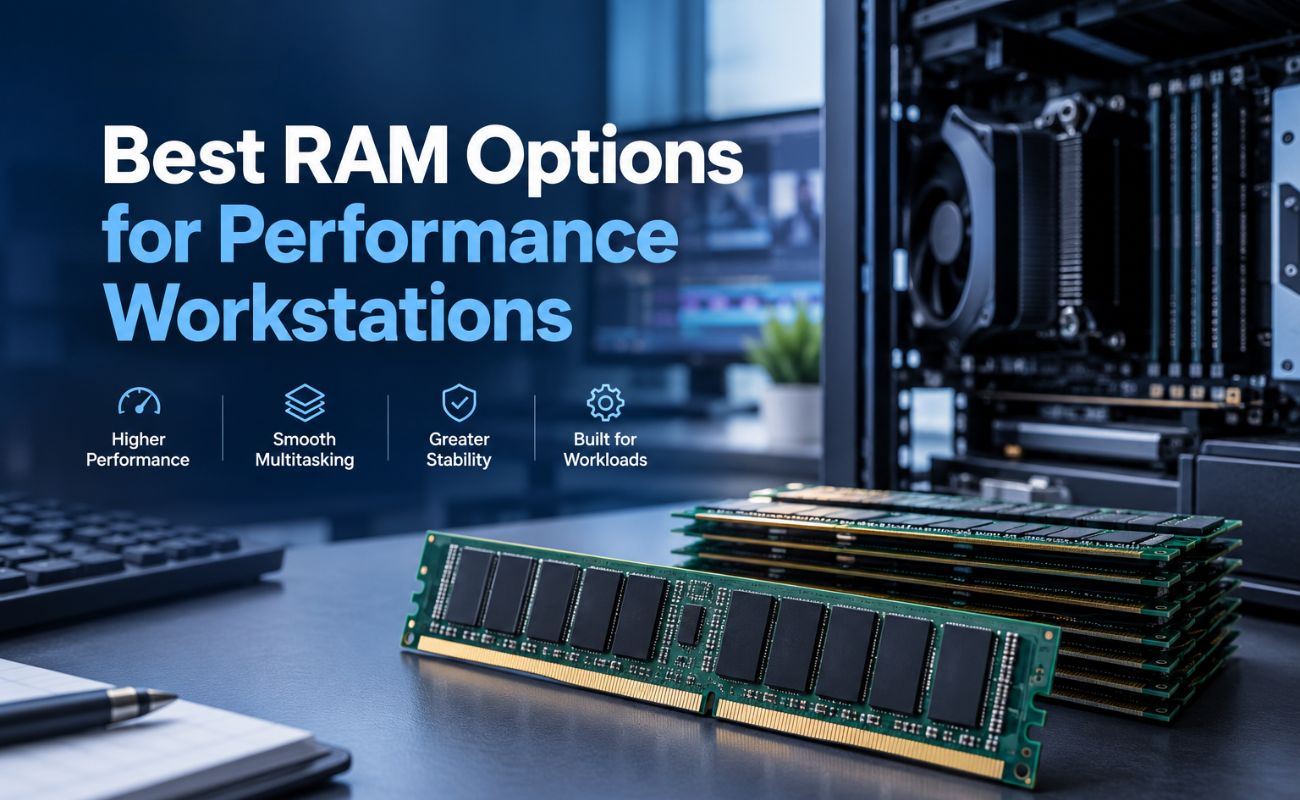
Best RAM Options for Performance Workstations
Best RAM Options for Performance Workstations
Modern performance workstations are built for demanding workloads such as 3D render...
Dual-WAN vs Single-WAN Routers: 6 Key Differences Compared
Modern businesses rely heavily on stable Internet connectivity for cloud applications, communication, online platforms, remote acc...
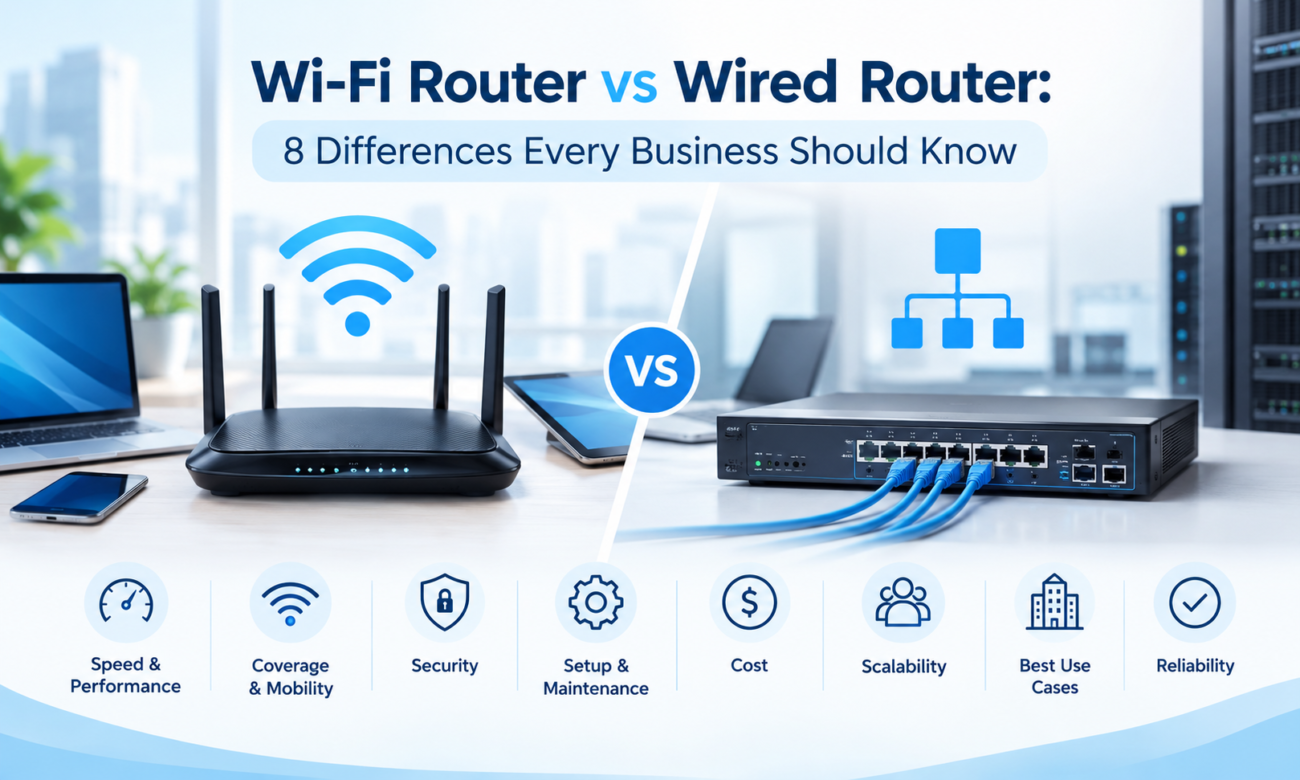
Wi-Fi Router vs Wired Router: 8 Differences Every Business Should Know
Choosing the right networking equipment is an important decision for any business. As organizations become increasingly dependent ...
Storage Buying Guide: 7 Things to Consider Before You Choose
Storage Buying Guide: 7 Things to Consider Before You Choose
Modern businesses generate and manage large amounts of data every da...
