













































Choosing the right network switch is one of the most critical decisions for building a reliable, scalable, and secure network infrastructure. Businesses today depend heavily on high-performance networks to support cloud applications, VoIP, video conferencing, IoT devices, and data-intensive workloads. Among the most searched and compared options in the enterprise networking market are HP vs Aruba Switches. This comparison has become increasingly popular because both brands are closely related, yet they offer different philosophies, management approaches, and deployment advantages.
The debate around HP vs Aruba Switches often confuses IT managers, network engineers, and business owners. HP networking has a long legacy in enterprise hardware, while Aruba has built a strong reputation for innovation, cloud-based management, and modern security architectures. Although Aruba is now part of Hewlett Packard Enterprise (HPE), the product lines still target slightly different audiences and use cases.

In this in-depth guide, we will break down everything you need to know about HP vs Aruba Switches, including performance, management, security, pricing, scalability, and ideal use cases. By the end of this article, you will clearly understand which option fits your business needs, whether you are running a small office network or a large enterprise infrastructure.
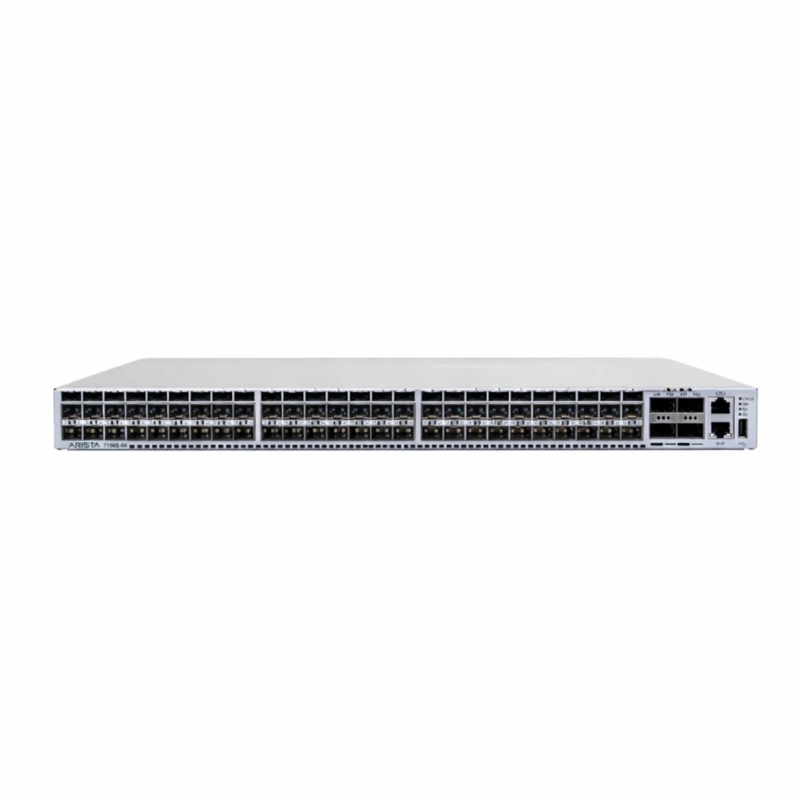
Check out the HP and Aruba switch models we offer to find the perfect fit for your network today!
Overview of HP Network Switches
HP network switches, now branded under HPE Networking, have been a core part of enterprise IT environments for decades. HP switches are widely known for their reliability, durability, and strong hardware performance. Many organizations still rely on classic HP ProCurve and HPE OfficeConnect switch families to power their internal networks.
HP Switches History and Evolution
HP entered the networking market with a focus on simplicity, lifetime warranties, and solid hardware design. Over the years, HP switches gained popularity in enterprise environments where stability and long-term support were top priorities. After the creation of Hewlett Packard Enterprise, HP networking products evolved to meet modern networking demands, including higher speeds, improved security, and better integration with software-defined networking solutions.
Even in the modern HP vs Aruba Switches discussion, HP switches are often associated with traditional on-premise management, strong CLI support, and predictable performance. Many IT professionals appreciate HP switches because of their familiar configuration style and long product lifecycles.
Key Features of HP Switches
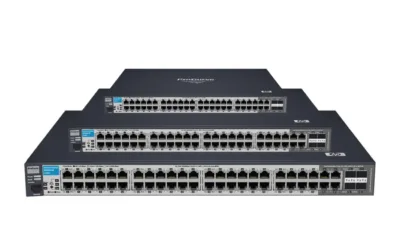
HP switches are designed with enterprise stability in mind. They focus on delivering consistent performance without unnecessary complexity. Some of the key features include:
- High-quality hardware with enterprise-grade components
- Strong Layer 2 and Layer 3 switching capabilities
- Robust VLAN, QoS, and routing features
- Reliable PoE and PoE+ support for IP phones and access points
- Traditional on-premise management through CLI and web interfaces
- Long-term firmware support and product stability
Explore the HP switch models we offer to find the perfect fit for your network needs today!
Overview of Aruba Network Switches
Aruba Networks is widely recognized as an innovation-driven networking brand. Aruba switches are designed to support modern, cloud-first, and mobile-centric networks. Aruba gained popularity through its wireless solutions, but its switching portfolio has become one of the strongest competitors in the enterprise networking market.
Aruba Switches Background
Aruba originally focused on wireless networking and mobility solutions. Over time, the company expanded into wired networking, offering switches that integrate seamlessly with wireless access points and security platforms. After being acquired by HPE, Aruba continued to operate as a specialized networking brand with a strong focus on automation, cloud management, and AI-driven analytics.
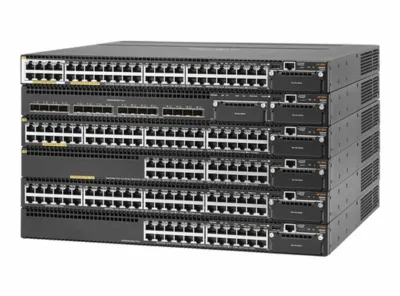
In the HP vs Aruba Switches debate, Aruba is often viewed as the more modern and future-ready option, especially for organizations adopting cloud management and zero-trust security models.
Key Features of Aruba Switches
Aruba switches are built for flexibility, scalability, and simplified management. Their feature set reflects the needs of modern IT environments:
- Cloud-based management via Aruba Central
- AI-powered analytics and network insights
- Advanced security with Zero Trust and role-based access
- Seamless integration with Aruba wireless solutions
- Support for automation and orchestration
- Scalable architectures suitable for campus and data center networks
Discover the Aruba switch models we have available and elevate your network with modern, cloud-ready solutions today!
HP vs Aruba Switches: Performance Comparison
Performance is a key factor when evaluating HP vs Aruba Switches. Both brands deliver enterprise-grade throughput, but they approach performance optimization differently.
Speed and Throughput
HP switches are known for consistent and predictable throughput. They perform exceptionally well in traditional enterprise networks where traffic patterns are stable and well-defined. HP switches support Gigabit, 10GbE, and higher-speed uplinks depending on the model, making them suitable for most corporate environments.
Aruba switches, on the other hand, are optimized for dynamic traffic environments. With built-in analytics and adaptive features, Aruba switches can adjust to changing workloads and provide better visibility into traffic behavior. This makes Aruba an attractive choice in the HP vs Aruba Switches comparison for organizations running cloud applications and high-density wireless networks.
Scalability and Expansion
Scalability is another critical aspect of HP vs Aruba Switches. HP switches are scalable through stacking and modular designs, allowing organizations to expand their networks gradually. However, scaling often requires manual configuration and careful planning.
Aruba switches excel in scalability through centralized management. With Aruba Central, administrators can deploy and manage hundreds or thousands of switches from a single dashboard. This makes Aruba particularly strong in large campus environments and multi-branch deployments.
Check out the most popular switch models available now at SAS Points to explore your best options for HP and Aruba switches!
HP vs Aruba Switches: Management and Software
Network management is where the difference between HP vs Aruba Switches becomes most apparent.
HP Switch Management
HP switches traditionally rely on CLI and local web interfaces for configuration and monitoring. Many experienced network engineers prefer this approach because it offers granular control and does not depend on internet connectivity. HP management tools are stable, well-documented, and suitable for environments with strict on-premise policies.
However, in large or distributed networks, managing HP switches individually can become time-consuming. This is one reason why some organizations reconsider their choice in the HP vs Aruba Switches comparison.
Aruba Central and Cloud Management
Aruba switches are designed for centralized, cloud-based management. Aruba Central provides a single pane of glass for monitoring wired, wireless, and WAN components. It includes AI-driven insights, automated troubleshooting, and performance optimization tools.
For IT teams with limited resources, Aruba Central significantly reduces operational complexity. This makes Aruba a strong contender in the HP vs Aruba Switches debate, especially for modern IT environments.
HP vs Aruba Switches: Security Features
Security is no longer optional in today’s networks. The HP vs Aruba Switches comparison highlights different approaches to network security.
HP switches offer traditional enterprise security features such as ACLs, port security, VLAN segmentation, and secure management protocols. These features are reliable and well-tested, making HP a trusted choice in regulated environments.
Aruba switches go a step further by integrating Zero Trust security models. They use role-based access control, dynamic segmentation, and integration with identity management systems. This approach enhances security across wired and wireless networks, giving Aruba an advantage in the HP vs Aruba Switches comparison for security-focused organizations.
HP vs Aruba Switches: Pricing and Cost Efficiency
Pricing plays a major role in the HP vs Aruba Switches decision. HP switches are often perceived as cost-effective, especially for small to medium-sized businesses. Their licensing model is usually straightforward, with fewer recurring subscription costs.
Aruba switches may have a higher initial cost, particularly when factoring in Aruba Central subscriptions. However, the operational savings from simplified management and reduced downtime can offset these costs over time. In the long run, Aruba may offer better total cost of ownership for large or complex networks.
HP vs Aruba Switches for Small Businesses
For small businesses, the HP vs Aruba Switches decision often depends on budget and IT expertise. HP switches are a solid choice for small offices with limited IT staff. They provide reliable performance without the need for advanced management platforms.
Aruba switches are ideal for small businesses planning rapid growth or relying heavily on wireless connectivity. The cloud-based management model allows small IT teams to manage networks efficiently without deep technical expertise.
HP vs Aruba Switches for Enterprise Networks
In large enterprise environments, HP vs Aruba Switches becomes a strategic decision. HP switches fit well in traditional enterprise data centers and stable campus networks. They are reliable and predictable, which is critical for mission-critical systems.
Aruba switches shine in enterprises embracing digital transformation. Their ability to integrate wired, wireless, and security under a single management platform makes them a preferred choice for modern enterprises.

HP vs Aruba Switches: Technical Comparison Table
| Feature | HP Switches | Aruba Switches |
|---|---|---|
| Management | On-premise CLI & Web UI | Cloud-based Aruba Central |
| Security | ACLs, VLAN segmentation | Zero Trust, Role-Based Access |
| Scalability | Stacking, Modular | Centralized Cloud Management |
| PoE Support | Yes, PoE & PoE+ | Yes, PoE & PoE+ |
| Analytics | Basic Monitoring | AI-driven Insights |
| Pricing | Lower upfront cost | Subscription-based for cloud |
| Ideal For | Traditional Enterprise | Modern Cloud & Mobile Networks |
Pros and Cons of HP vs Aruba Switches
HP Switches Pros
- Proven reliability and stability
- Simple licensing models
- Strong hardware performance
- Familiar management for traditional IT teams
HP Switches Cons
- Limited cloud-native features
- Manual management in large deployments
Aruba Switches Pros
- Advanced cloud-based management
- Strong security and Zero Trust features
- Excellent scalability
- AI-driven analytics and automation
Aruba Switches Cons
- Subscription costs for cloud management
- May be complex for very small networks
Use Cases: When to Choose HP or Aruba
Understanding real-world use cases helps clarify the HP vs Aruba Switches debate. HP switches are ideal for organizations that prioritize stability, long-term support, and on-premise control. Industries such as manufacturing, education, and government often prefer HP for these reasons.
Aruba switches are better suited for organizations embracing cloud services, remote work, and mobility. Retail chains, healthcare networks, and large campuses benefit greatly from Aruba’s centralized management and security features.
Final Verdict: HP vs Aruba Switches – Which Should You Choose?
The final decision in the HP vs Aruba Switches comparison depends on your business goals, network complexity, and IT strategy. HP switches offer reliability, simplicity, and cost-effectiveness for traditional networks. Aruba switches deliver innovation, scalability, and advanced management for modern, dynamic environments.
If you want a stable, on-premise-focused solution, HP switches are a strong choice. If you are looking for cloud-managed networking with advanced security and analytics, Aruba switches are likely the better option.
Shop now
Sold out

Sold out

Sold out
Sold out
Sold out
Related posts
VPN Firewall vs Standard Firewall: 7 Key Differences

Businesses need reliable network security to protect sensitive information, prevent unauthorized access, and maintain secure commu...
Rack Server vs Tower Server: 6 Key Differences Explained

Rack Server vs Tower Server: 6 Key Differences Explained
Choosing between a rack server and a tower server is an important decisi...
SSD vs HDD Storage: 8 Key Differences Every Business Should Know
SSD vs HDD Storage: 8 Key Differences Every Business Should Know
Choosing the right storage technology is essential for businesse...
Router Performance Explained: 7 Factors That Affect Your Internet Speed

Router performance plays a critical role in determining how efficiently a business network handles daily operations. From cloud-ba...
10 Router Security Features That Help Protect Business Networks
Business networks are constantly exposed to security risks, from unauthorized access and malicious traffic to compromised devices ...

Stateful Firewall vs Next-Generation Firewall: 8 Major Differences
Firewalls play a critical role in protecting business networks from unauthorized access, suspicious traffic, and cyber threats. Ho...

7 Firewall NGFW Types Compared for Business Network Security
Choosing the right NGFW firewall is an important part of protecting business networks fro...

11 Server Features Every IT Manager Should Look For
11 Server Features Every IT Manager Should Look For
Choosing the right server is an important decision for any organization. Serv...
Best RAM Options for Performance Workstations
Best RAM Options for Performance Workstations
Modern performance workstations are built for demanding workloads such as 3D render...

Dual-WAN vs Single-WAN Routers: 6 Key Differences Compared
Modern businesses rely heavily on stable Internet connectivity for cloud applications, communication, online platforms, remote acc...
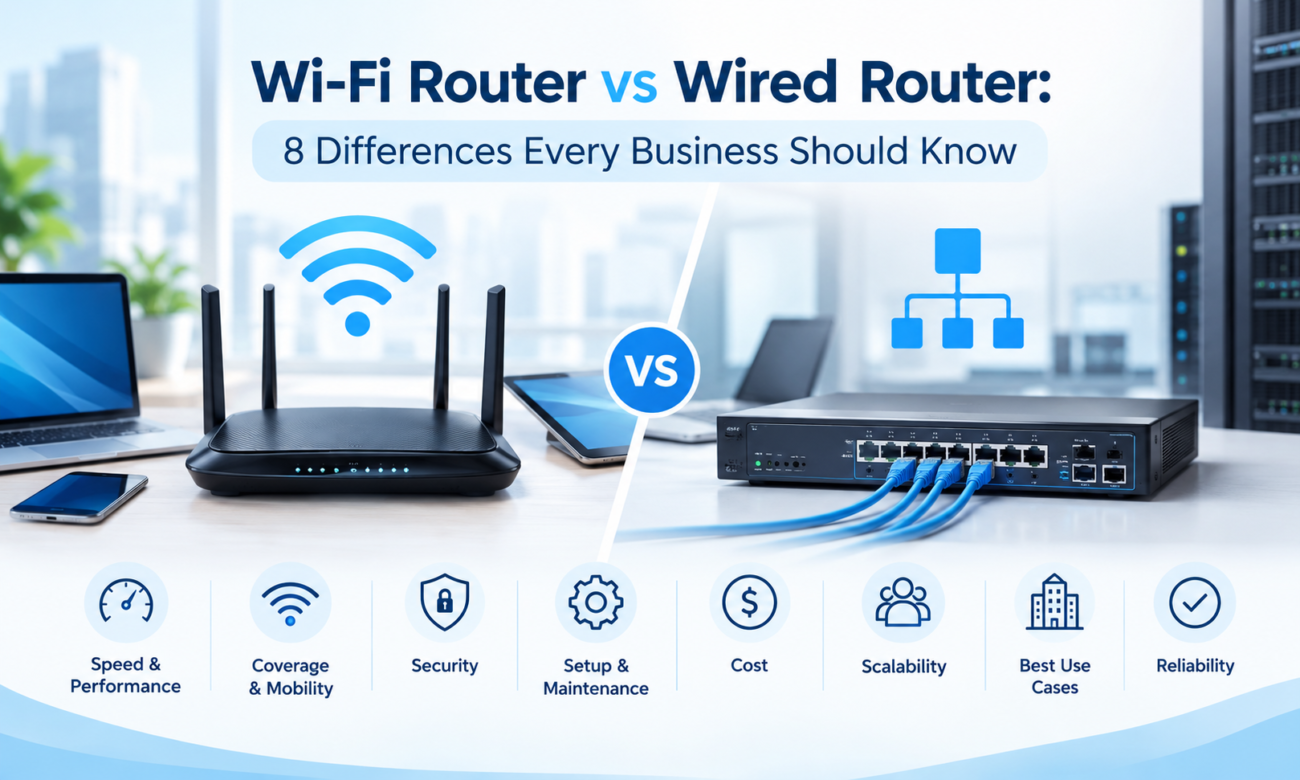
Wi-Fi Router vs Wired Router: 8 Differences Every Business Should Know
Choosing the right networking equipment is an important decision for any business. As organizations become increasingly dependent ...

Storage Buying Guide: 7 Things to Consider Before You Choose
Storage Buying Guide: 7 Things to Consider Before You Choose
Modern businesses generate and manage large amounts of data every da...
