



































Welcome To SAS Points — Your One-Stop IT Solutions Provider

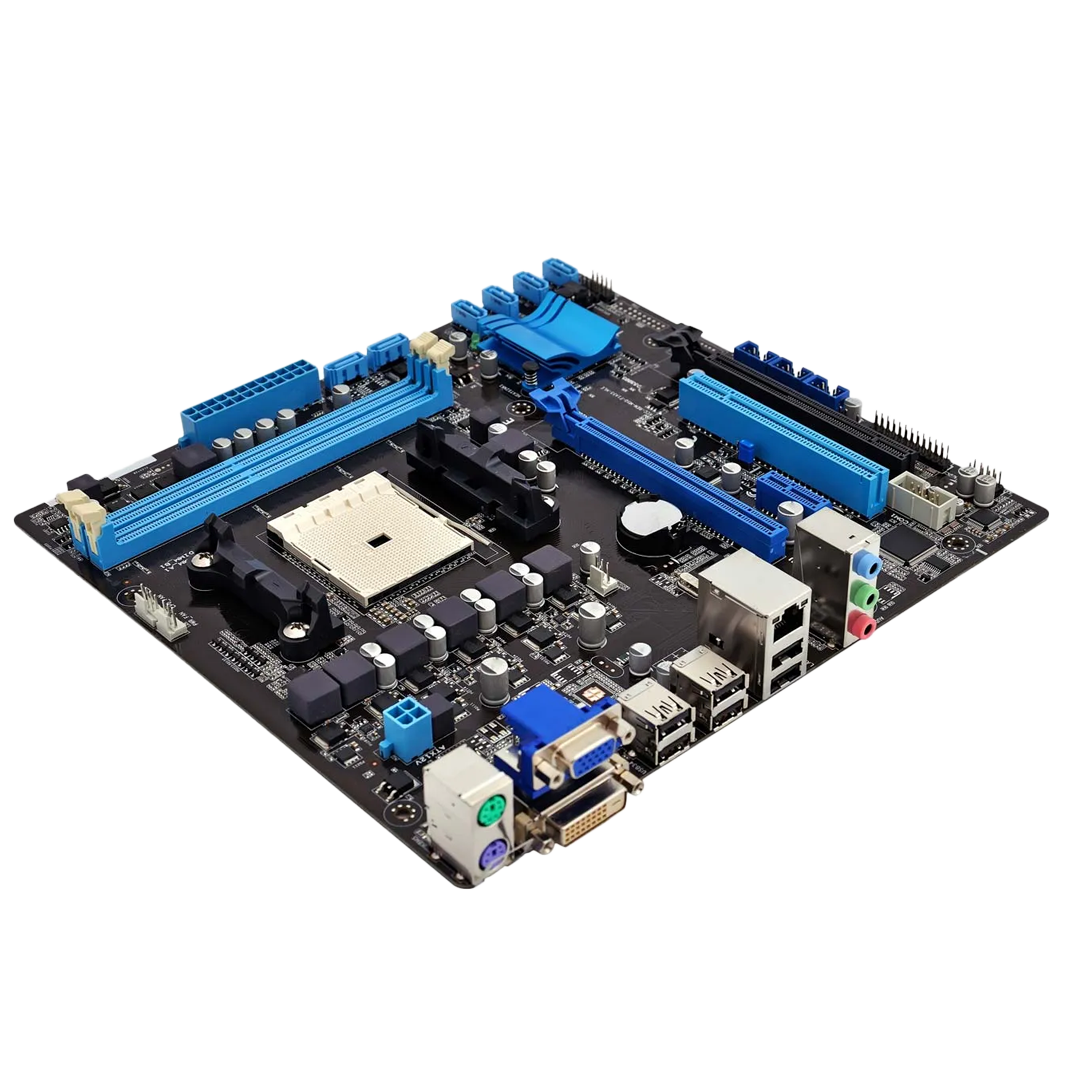
When building or upgrading a server, the motherboard is one of the most critical components. It determines compatibility, performance, reliability, and scalability for your entire system. Understanding motherboards for servers: what to look for before buying helps businesses select the right platform to meet their workload demands, whether for virtualization, cloud services, or data-intensive applications.
Selecting the wrong motherboard can lead to bottlenecks, instability, or even costly downtime, making careful consideration essential for enterprise IT planning.
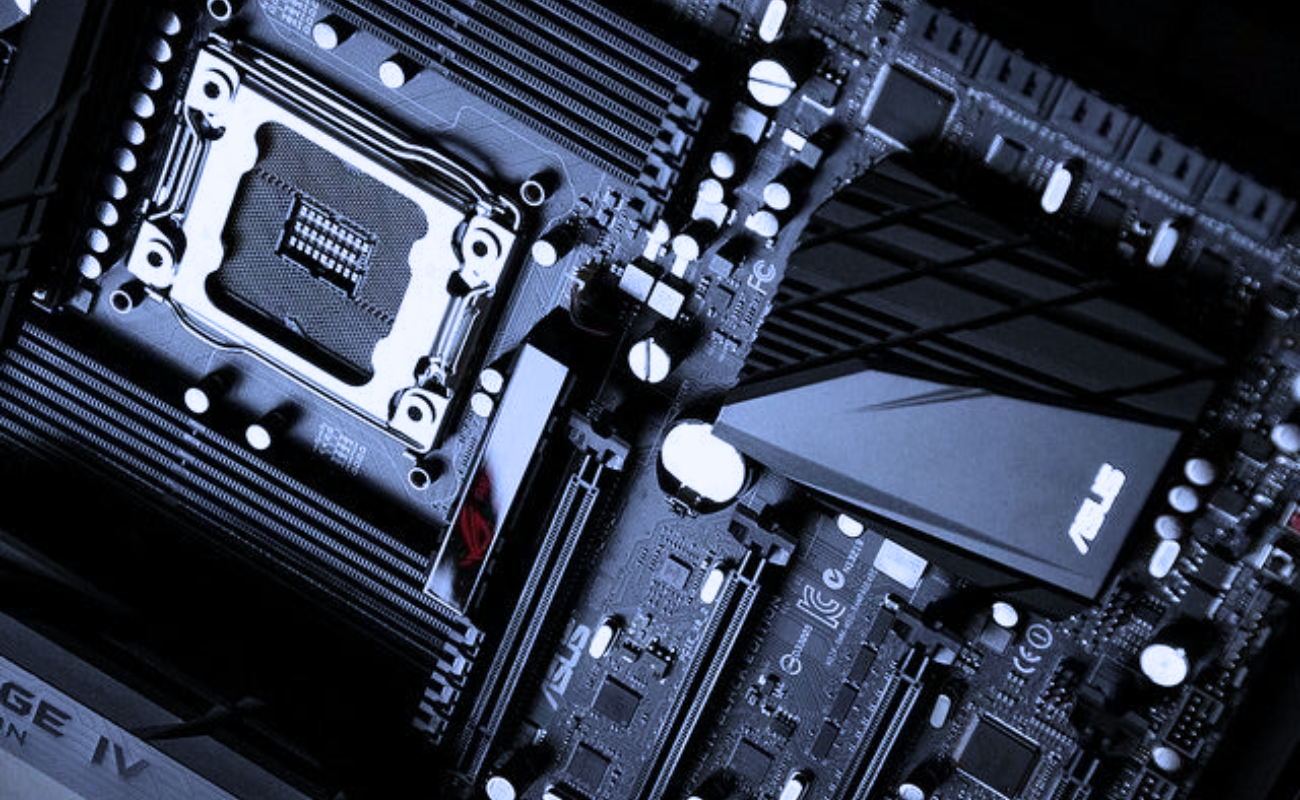
A server motherboard is not the same as a desktop motherboard. Motherboards for servers: what to look for before buying are designed to handle continuous operation, high-performance processors, multiple storage interfaces, and extensive memory.
Key differentiators include:
Support for multi-core enterprise CPUs
High-capacity ECC memory
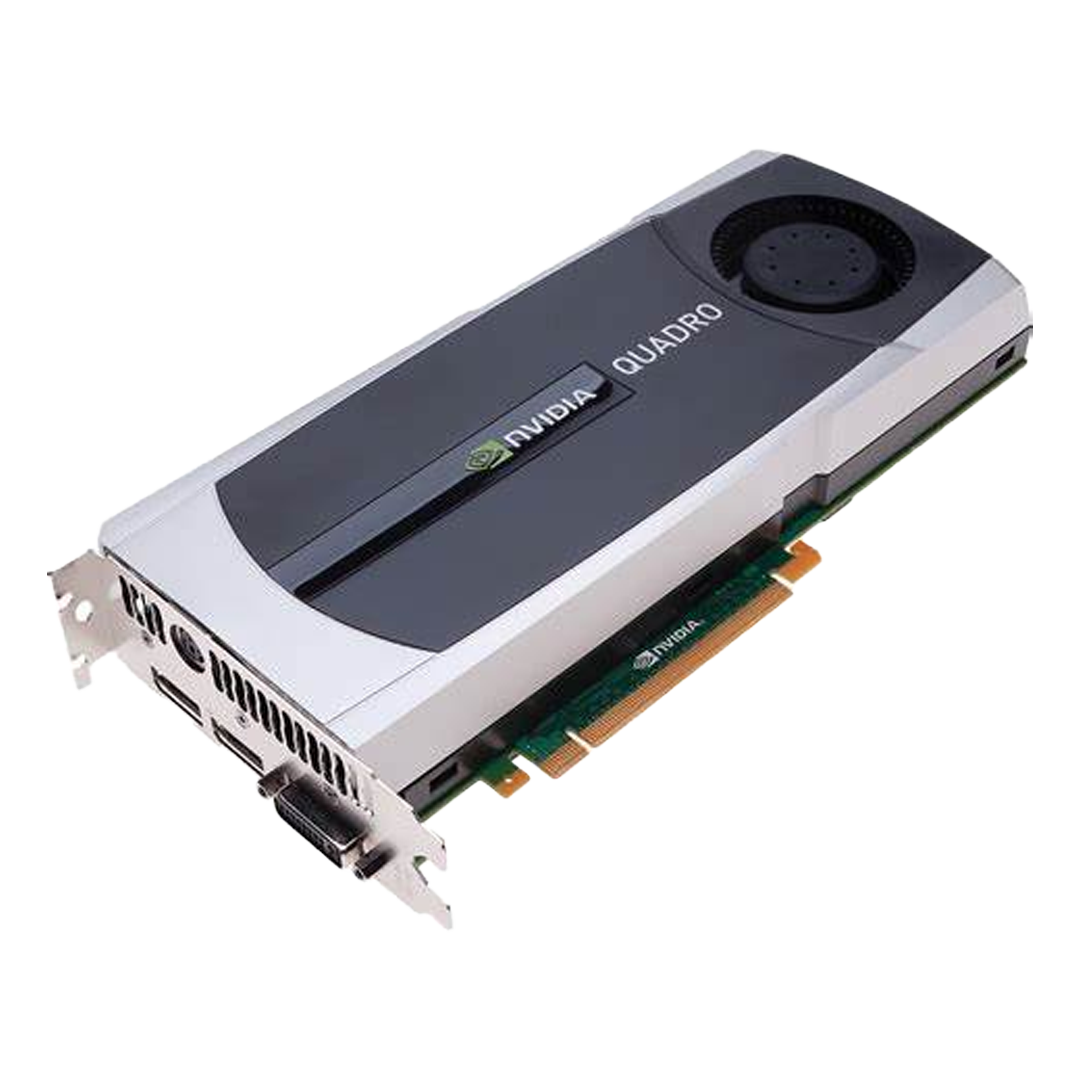
Multiple expansion slots for GPUs or NICs
Redundant power connectors and advanced management features
These elements ensure servers can run reliably in mission-critical environments.
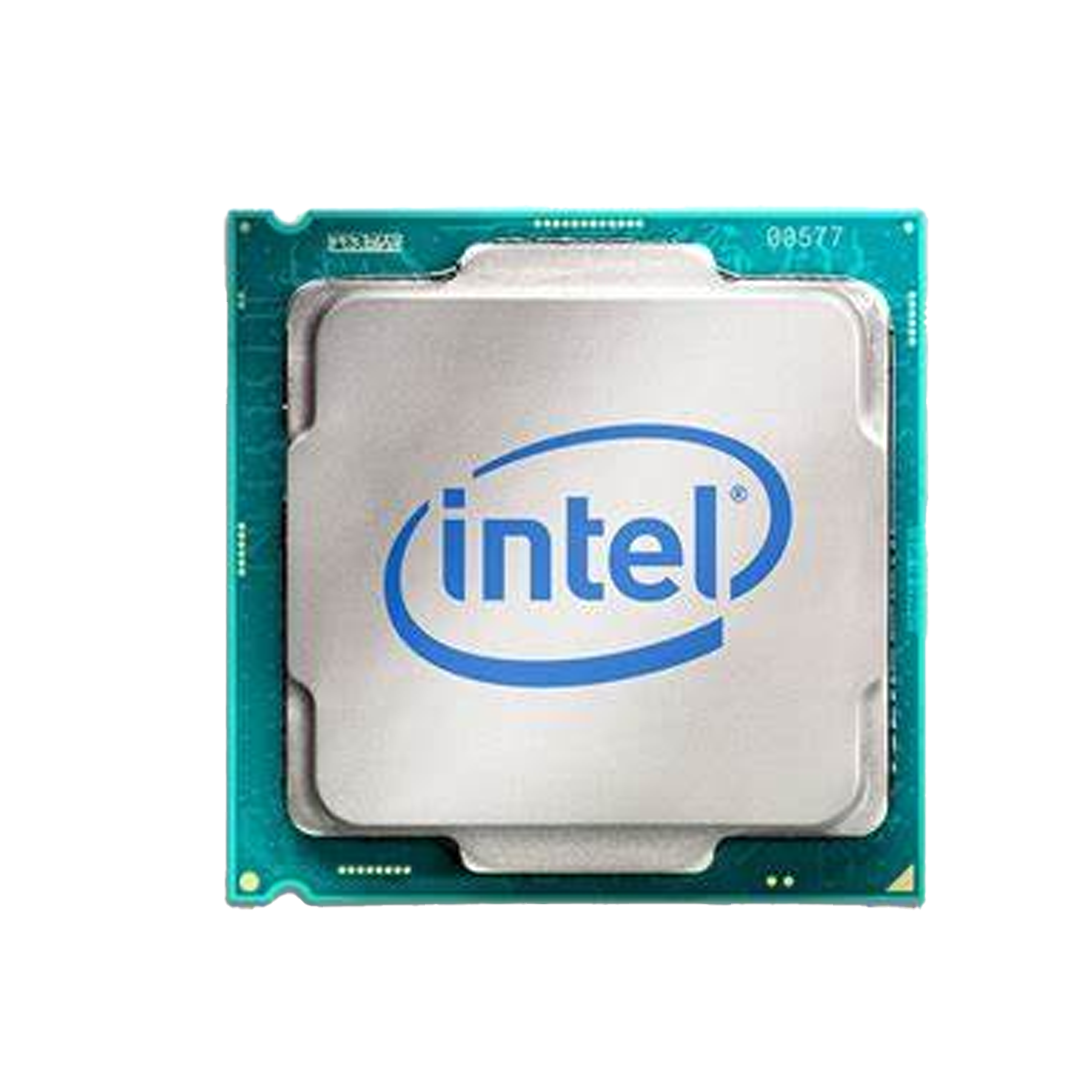
When considering motherboards for servers: what to look for before buying, CPU compatibility is a primary factor. The motherboard determines which processors you can install and how much processing power your server can achieve.
Considerations include:
Single vs. dual or multi-socket support
Compatibility with Intel Xeon or AMD EPYC processors
Maximum supported TDP for power and cooling planning
CPU upgrade paths for future-proofing
Choosing a motherboard compatible with your intended CPU ensures optimal performance.
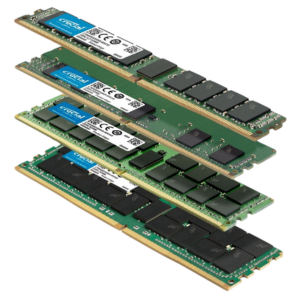
Memory is critical for database, virtualization, and analytics workloads. Motherboards for servers: what to look for before buying should support high-capacity, error-correcting (ECC) memory with expansion options.
Look for:
Maximum RAM capacity
Number of DIMM slots
Support for registered or buffered memory
Memory speeds compatible with your workload
This ensures your server can scale to meet growing performance demands.
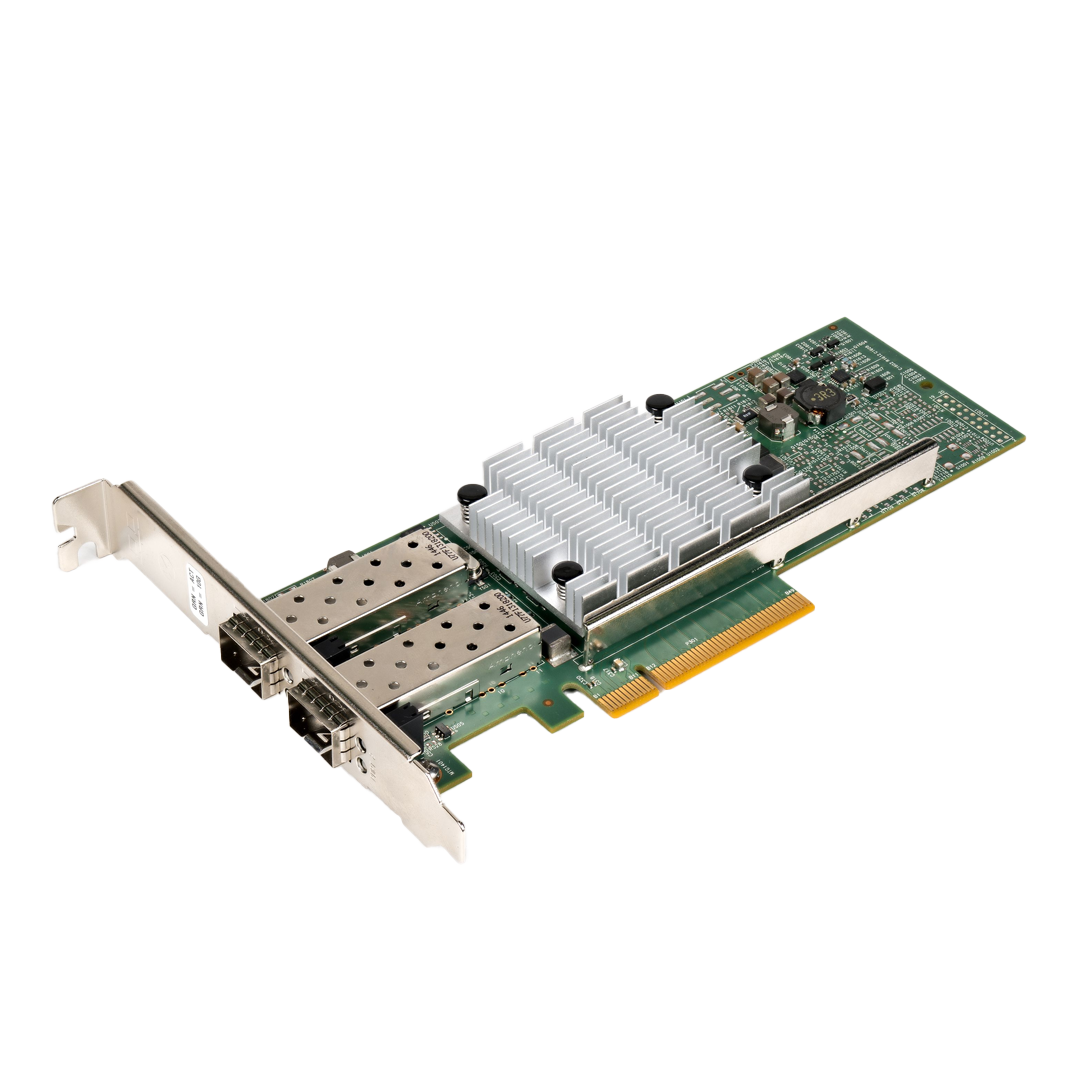
A good server motherboard offers flexible expansion. Motherboards for servers: what to look for before buying include multiple PCIe slots, storage interfaces, and network connections.
Key features:
PCIe 3.0/4.0/5.0 slots for GPUs, NICs, or accelerators
M.2 or U.2 slots for NVMe storage
SATA/SAS support for HDDs and SSDs
Onboard 1GbE/10GbE network ports or support for expansion cards
These options ensure your server can accommodate additional workloads and future technologies.
Enterprise workloads require reliable storage. Motherboards for servers: what to look for before buying should support multiple drives and hardware RAID controllers.
Important considerations:
Number of SATA/SAS ports
NVMe compatibility for high-speed storage
RAID levels supported (0,1,5,6,10)
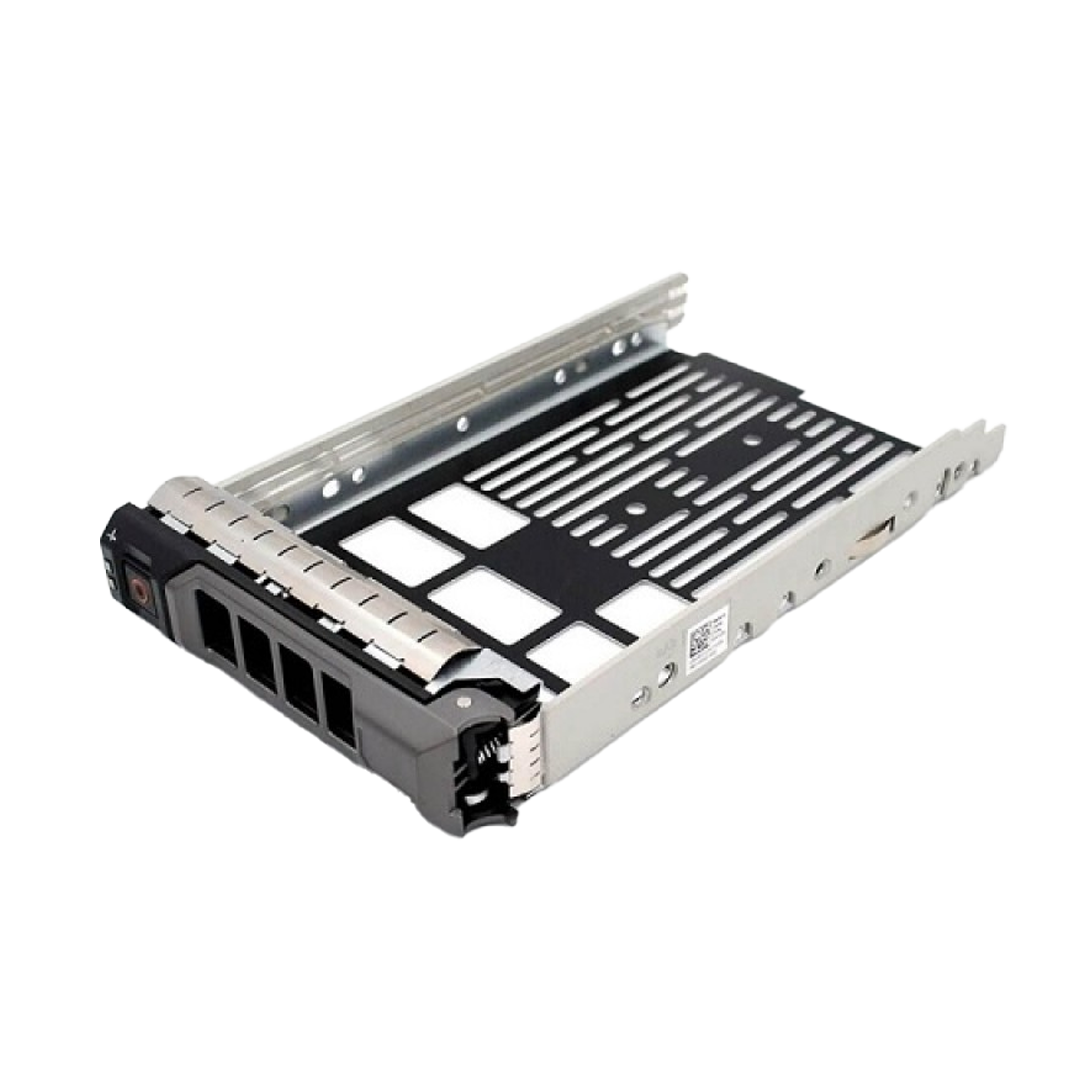
Hot-swappable storage compatibility
Proper storage integration ensures data reliability and performance.
Server motherboards often include management features that reduce downtime and simplify maintenance. Motherboards for servers: what to look for before buying should include remote management capabilities.
Look for:
IPMI, BMC, or OEM management interfaces
Remote monitoring and alerts for power, temperature, and fan status
BIOS-level control for firmware updates
Automation and scripting support
These tools help IT teams manage servers efficiently, even remotely.
Server workloads require continuous operation. Motherboards for servers: what to look for before buying should include reliability-focused features.
Check for:
Dual BIOS or firmware protection
Redundant power supply support
Onboard diagnostics and alert LEDs
Support for ECC memory and error correction
These features reduce risk of hardware failure and ensure uptime for critical applications.
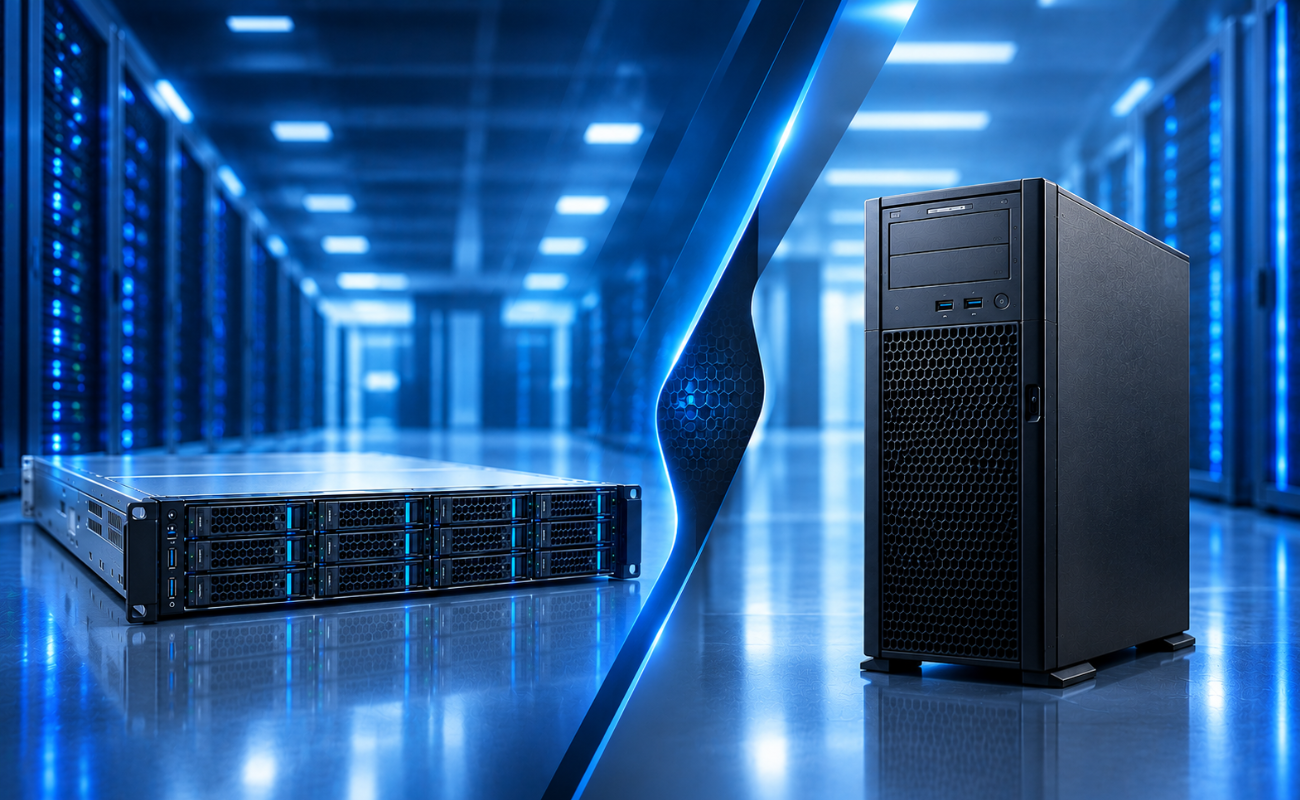
Motherboard size and form factor determine which server chassis you can use. Motherboards for servers: what to look for before buying should match your rack or tower server requirements.
Consider:
ATX, E-ATX, or proprietary form factors
Rack or tower compatibility
Clearance for additional components
Proper airflow for cooling
Form factor ensures smooth integration with existing infrastructure.
Enterprise servers handle sensitive data. Motherboards for servers: what to look for before buying should include built-in security features.
Key aspects:
Secure boot and firmware protection
TPM support for encryption and authentication
BIOS-level access control
Hardware-based cryptography support
These measures help protect data integrity and meet compliance standards.
Servers run 24/7 and consume significant power. Motherboards for servers: what to look for before buying should support energy efficiency and thermal optimization.
Features to evaluate:
Efficient voltage regulation and power delivery
Fan headers for optimal airflow
Thermal sensors and alerts
Support for low-power CPU modes
This reduces operational costs and prolongs hardware lifespan.
Selecting a motherboard is a critical step when building or upgrading a server. Understanding motherboards for servers: what to look for before buying ensures you choose a platform that meets performance, scalability, and reliability needs.
By carefully evaluating CPU compatibility, memory capacity, storage options, management features, and redundancy, organizations can ensure their servers deliver optimal performance for enterprise workloads. A well-chosen server motherboard is not just a component—it is the foundation for a reliable, efficient, and future-proof IT infrastructure.
No account yet?
Create an Account