














































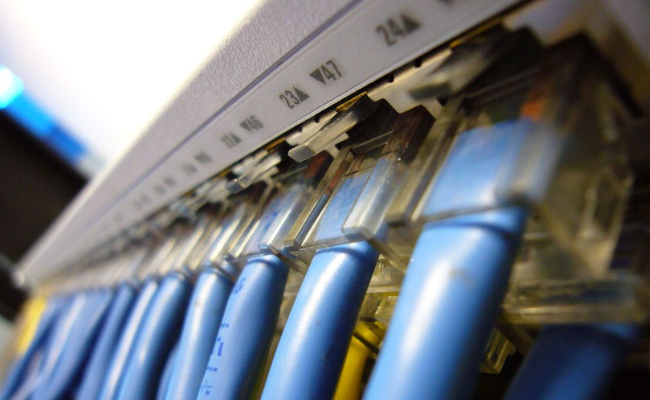
If you’re planning to upgrade your business network, one of the most important decisions you’ll face is choosing between PoE vs Non-PoE Switches. While both types perform the essential function of connecting network devices, they differ significantly in power delivery, installation requirements, scalability, and overall deployment costs.
Understanding these differences can help businesses avoid unnecessary expenses, simplify network expansion, and improve operational efficiency. Whether you’re building a new office network, upgrading surveillance systems, or deploying wireless access points, selecting the right switch is essential for long-term performance.
In this guide, we’ll explore 8 key differences between PoE vs Non-PoE Switches, explain when each option is the better choice, and help you determine which solution best fits your organization’s networking requirements.
What Are PoE and Non-PoE Switches?
Before comparing PoE vs Non-PoE Switches, it’s important to understand how each type works.
A PoE (Power over Ethernet) Switch supplies both electrical power and network connectivity through a single Ethernet cable. This allows compatible devices to operate without requiring separate power adapters or nearby electrical outlets.
A Non-PoE Switch, on the other hand, only transfers network data. Every connected device must receive power from an external source, meaning separate electrical wiring is necessary for each powered device.
Although both switch types support data communication, the way they deliver power creates major differences in deployment flexibility and infrastructure planning.
Common Devices That Benefit from PoE
Many modern business environments rely on powered network devices, including:
- IP surveillance cameras
- Wireless access points
- VoIP phones
- Network intercom systems
- Digital signage
- Smart building sensors
- Access control systems
- IoT devices
For these deployments, PoE can dramatically simplify installation while reducing cable clutter.
Typical Devices Connected to Non-PoE Switches
Non-PoE switches are commonly used with devices that already have dedicated power supplies, such as:
- Desktop computers
- Laptops using docking stations
- Servers
- Storage systems
- Network-attached storage (NAS)
- Printers
- Existing networking equipment
- Industrial controllers with independent power
These environments often don’t require Ethernet-delivered power, making Non-PoE switches a practical option.
Difference #1: Power Delivery
The biggest distinction in PoE vs Non-PoE Switches is power transmission.
A PoE switch combines power and data into one Ethernet cable, allowing compatible devices to receive everything they need from a single connection.
A Non-PoE switch only transfers data. Every endpoint requires:
- A nearby power outlet
- A separate power adapter
- Additional electrical installation
For businesses deploying dozens or hundreds of powered devices, this difference alone can significantly affect installation complexity.
Why It Matters
Using one cable instead of two helps:
- Reduce wiring costs
- Improve cable management
- Speed up installations
- Simplify future maintenance
- Create cleaner network cabinets
Difference #2: Installation Complexity
Installation becomes much easier when using PoE technology.
Instead of coordinating electrical work alongside network cabling, installers only need Ethernet cables to each compatible device.
PoE Installation Advantages
- Faster deployment
- Less cable clutter
- No additional electricians
- Easier office renovations
- Flexible device placement
Non-PoE Installation Challenges
Every powered endpoint may require:
- Electrical outlets
- Power extension work
- Additional conduits
- Separate cable routing
- Increased labor costs
As networks grow larger, these differences become increasingly noticeable.
Difference #3: Total Infrastructure Cost
Many buyers assume Non-PoE switches are always less expensive because their purchase price is lower.
However, comparing PoE vs Non-PoE Switches requires looking beyond the initial hardware cost.
With Non-PoE deployments, businesses often pay for:
- Extra electrical wiring
- Additional labor
- Power adapters
- Electrical permits
- Longer installation time
- Increased maintenance
Meanwhile, PoE deployments consolidate much of this infrastructure into the network itself.
Although the switch may cost more initially, the overall project cost can often be lower—especially in large-scale installations.
Difference #4: Device Placement Flexibility
One of the biggest advantages of PoE is installation freedom.
Powered devices no longer need to be located near electrical outlets.
This allows businesses to install equipment in optimal locations rather than wherever power happens to be available.
Examples include:
- Ceiling-mounted Wi-Fi access points
- Hallway surveillance cameras
- Warehouse security cameras
- Outdoor access control readers
- Reception VoIP phones
- Digital displays
With Non-PoE solutions, device placement is often limited by electrical infrastructure.
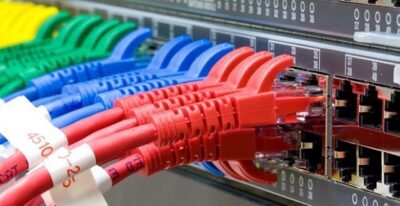
Difference #5: Power Management and Monitoring
Another important consideration in PoE vs Non-PoE Switches is centralized power management.
PoE switches allow network administrators to monitor and control power delivery directly from the switch management interface.
Depending on the switch model, administrators can:
- Enable or disable power on specific ports
- Restart connected devices remotely
- Monitor power consumption
- Set power priorities
- Receive alerts for power issues
- Optimize power allocation across the network
This level of control is particularly useful for surveillance systems and wireless infrastructure.
Non-PoE switches do not provide these capabilities because they are not responsible for powering connected devices.
Difference #6: Reliability During Power Events
PoE deployments can offer better operational continuity when integrated with a centralized UPS (Uninterruptible Power Supply).
Because both data and power originate from the switch, a single UPS can keep multiple devices running during a power interruption.
For example, a UPS connected to a PoE switch can continue powering:
- IP cameras
- Access points
- VoIP phones
- Access control readers
In a Non-PoE environment, each device may rely on its own power adapter and separate power source, making backup power planning more complicated.
Difference #7: Scalability
As businesses expand, scalability becomes increasingly important.
When adding new powered devices to a PoE network, administrators often only need to:
- Run a new Ethernet cable
- Connect the device
- Enable the switch port
In a Non-PoE deployment, expansion may also require:
- New electrical outlets
- Additional power circuits
- Power adapter management
- Coordination with electrical contractors
For growing businesses, PoE can significantly simplify future network upgrades.
Difference #8: Use Cases and Applications
The final comparison in PoE vs Non-PoE Switches is determining which environments each type is best suited for.
Choose a PoE Switch When You Need:
Recommended
- IP surveillance cameras
- Wireless access points
- VoIP phone systems
- Access control devices
- IoT sensors
- Digital signage
- Smart building infrastructure
- Simplified cabling
Choose a Non-PoE Switch When You Need:
Recommended
- Desktop computer connectivity
- Server networking
- Storage system connections
- Existing devices with dedicated power
- Basic office networking
- Cost-focused deployments with minimal powered devices
PoE vs Non-PoE Switches: Quick Comparison Table
| Feature | PoE Switch | Non-PoE Switch |
|---|---|---|
| Power Delivery | Yes | No |
| Data Transmission | Yes | Yes |
| Single-Cable Deployment | Yes | No |
| Remote Power Control | Yes | No |
| Installation Complexity | Lower | Higher |
| Initial Switch Cost | Higher | Lower |
| Infrastructure Cost | Often Lower | Often Higher |
| Best for IP Cameras | Excellent | Limited |
| Best for Access Points | Excellent | Limited |
| Best for Servers | Good | Excellent |
How to Choose Between PoE vs Non-PoE Switches
To make the right decision, ask the following questions:
Choose PoE if:
- You are deploying IP cameras.
- You need wireless access points.
- You want cleaner cable management.
- Your network will expand over time.
- You need centralized power management.
- You want easier maintenance and troubleshooting.
Choose Non-PoE if:
- Most devices already have their own power supplies.
- You are connecting servers and storage systems.
- Powered endpoints are minimal.
- The deployment is small and static.
- Reducing initial switch cost is the highest priority.
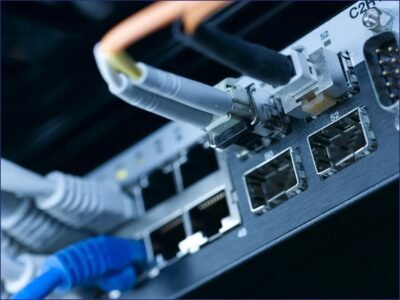
Common Mistakes to Avoid
When evaluating PoE vs Non-PoE Switches, avoid these common mistakes:
Buying a Non-PoE switch for a future surveillance project
This often results in additional upgrade costs later.
Ignoring PoE power budgets
Ensure the switch provides enough total wattage for all connected devices.
Overestimating actual power requirements
Not every port needs maximum PoE power simultaneously.
Focusing only on purchase price
Always consider installation, maintenance, and expansion costs.
Frequently Asked Questions
Can a PoE switch connect to non-PoE devices?
Yes. PoE switches can safely connect to devices that do not support PoE. The switch will only deliver power when a compatible device is detected.
Is PoE faster than Non-PoE?
No. Network speed depends on the switch specifications, such as Gigabit, 10GbE, or higher—not whether the switch supports PoE.
Does PoE increase electricity consumption?
PoE itself adds a small amount of power conversion overhead, but the overall convenience and infrastructure savings often outweigh the minor increase in energy usage.
Can I upgrade a Non-PoE switch to PoE later?
Usually No
In most cases, you would need to replace the switch or add external PoE injectors for specific devices.
Final Thoughts
Choosing between PoE vs Non-PoE Switches is not simply a matter of selecting the cheaper switch. The right choice depends on your device types, installation environment, future expansion plans, and operational requirements.
For modern business networks that include IP cameras, wireless access points, VoIP phones, or other powered devices, PoE switches provide significant advantages in flexibility, scalability, and management.
For server rooms, storage networks, and traditional office environments where devices already have dedicated power sources, Non-PoE switches can remain a cost-effective and reliable solution.
Need Help Choosing the Right Switch?
At SAS Points, we help businesses select the most suitable networking equipment based on real deployment requirements. Whether you need PoE switches for surveillance and wireless infrastructure or Non-PoE switches for servers and office connectivity, our team can recommend the right solution for your environment.
Explore our switch solutions today
Shop now
Sold out

Sold out
Sold out


Sold out
Sold out
Sold out
Related posts

Storage Buying Guide: 7 Things to Consider Before You Choose

Storage Buying Guide: 7 Things to Consider Before You Choose
Modern businesses generate and manage large amounts of data every da...
Business Router vs Home Router: 7 Key Differences Explained

Introduction
Choosing the right router can have a major impact on how efficiently a network performs. While home routers are desi...
What Is a Network Card and When to Upgrade It?
What Is a Network Card and When to Upgrade It?
In modern business networks, fast and reliable communication between computers, se...
How VLANs Work on Managed Switches: 7 Key Benefits for Business Networks
Introduction
As business networks continue to grow, connecting more devices to the same physical infrastructure can create signif...

How to Choose the Right Firewall for Your Business in 7 Steps

Introduction
Cybersecurity has become a major priority for businesses of every size. From small offices to large enterprises, org...

Hardware Firewall vs Cloud Firewall: 7 Key Differences for Businesses
Choosing the right firewall is an important decision for businesses that want to protect ...

Next-Generation Firewall vs Traditional Firewall: 9 Comparison Points
Network security has changed dramatically as businesses rely ...
Hardware Firewall vs Software Firewall: 7 Differences Explained
A firewall is one of the most important security tools for protecting business networks, devices, and sensitive data. It monitors ...
HPE Z Series Workstations: Designed for Professionals
HPE Z Series Workstations: Designed for Professionals
Professionals working with demanding applications need more than a standard...
10 Signs It’s Time to Upgrade Your Network Switch
A reliable network is essential for businesses that depend on computers, servers, cloud applications, wireless access points, IP c...
Gigabit vs 10 Gigabit Switches: 6 Performance Differences Compared
Choosing the right network infrastructure is essential for businesses that depend on fast, stable, and reliable connectivity. One ...

HDD vs SSD: 8 Key Differences Every Business Should Know
Choosing the right 8 Key Differences Every Business is one of the most important decisions when building or upgrading a business I...
