Welcome To SAS Points — Your One-Stop IT Solutions Provider
Welcome To SAS Points — Your One-Stop IT Solutions Provider

In today’s digital economy, small businesses are no less vulnerable to cyber threats than large corporations. In fact, are often prime targets because hackers assume they have weaker defenses and less awareness about network security. Without proper firewall solutions, sensitive data such as customer records, financial information, and internal communications could easily be exposed.

Small Businesses Need the Best Firewall Solutions
Choosing the best firewalls is not just about installing a device; it’s about safeguarding your business reputation, ensuring operational continuity, and protecting the trust of your customers. For small businesses operating, where digital transformation is rapidly expanding, adopting strong firewall protection is no longer optional — it’s a necessity.
A firewall is a security system that monitors and filters network traffic. Think of it as a virtual gatekeeper: it decides which data is safe to enter or leave your network. For small businesses, firewalls are essential for:
Blocking malicious websites and applications.
Preventing unauthorized access to company systems.
Monitoring employee internet usage to avoid risky behavior.
Protecting sensitive customer and financial data.

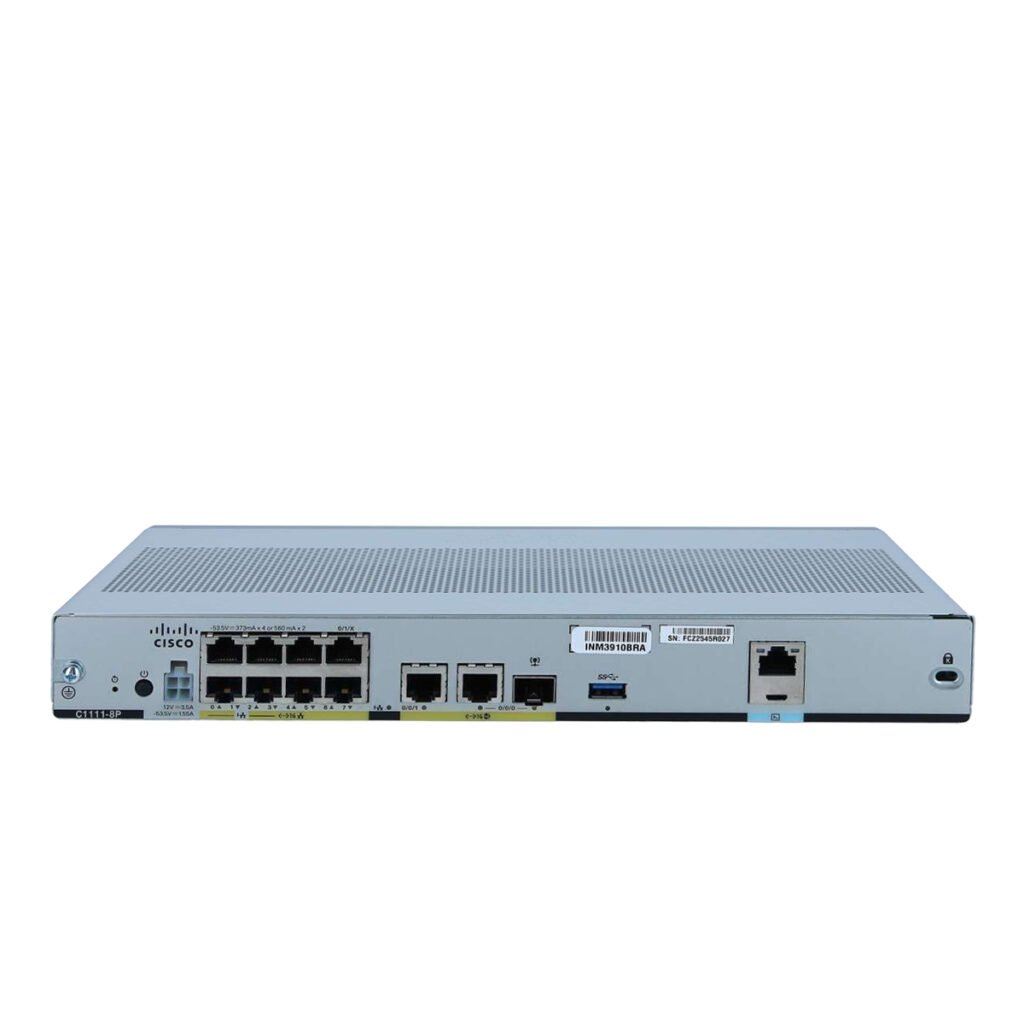
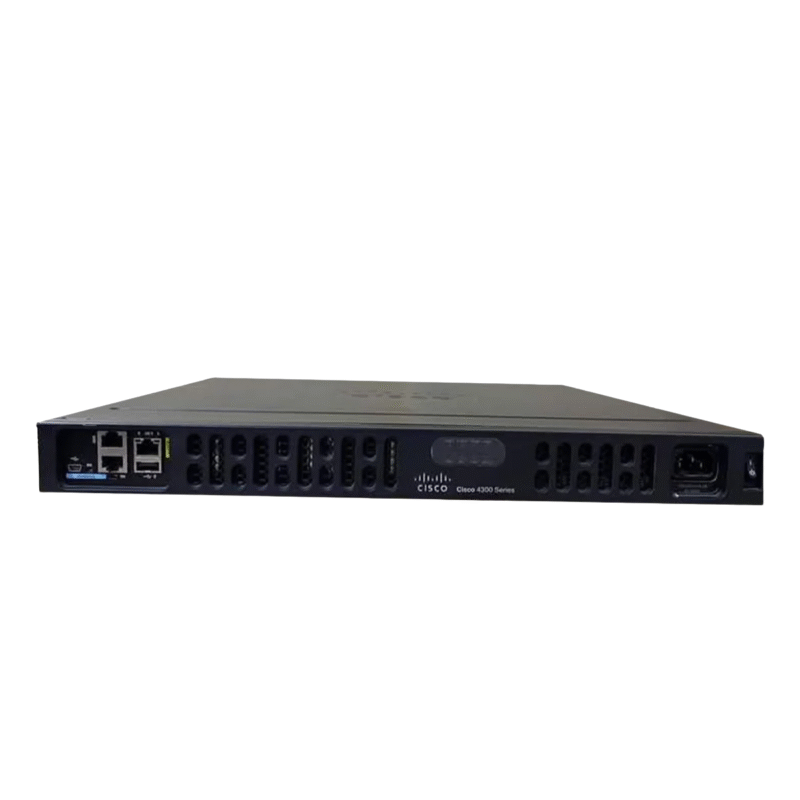
Whether you choose a hardware firewall (a physical device) or a software firewall (installed on your server or computer), the key function is the same: to protect your business from external and internal cyber threats.
One of the most common questions small business owners ask is whether they should invest in a hardware firewall or a software firewall. Both have advantages and disadvantages.
Hardware Firewalls:
Provide strong, centralized protection for all devices connected to your network.
Best for small businesses with multiple employees and office locations.
Often more expensive but offer advanced features like VPN integration.
Software Firewalls:
Installed on individual devices such as PCs or servers.
Affordable firewall option for startups or small offices with fewer employees.
Easier to manage, but each device needs its own installation.
Comparison insight: A hybrid approach often works best. A hardware firewall at the network level combined with software firewalls on individual devices ensures layered security without overspending.
As businesses adopt cloud services such as Google Workspace, Microsoft 365, and cloud storage platforms, traditional firewalls are no longer enough. This is where cloud-based firewall solutions come in.

Cloud firewalls operate virtually, offering protection for remote employees, cloud applications, and mobile devices. Benefits include:
Scalability: Perfect for planning to expand.
Remote access security: Essential for businesses with hybrid or work-from-home staff.
Lower upfront cost: No need to purchase expensive hardware.
For growing companies, cloud firewalls provide flexibility while maintaining strong network security. Popular vendors now offer subscription-based models, making it an affordable firewall solution for small businesses that want enterprise-grade protection.
When selecting the right firewall, small business owners should focus on more than just price. Consider these factors:

Detailed explanation of essential firewall features like VPN support, intrusion detection, and real-time monitoring.
By asking the right questions and comparing features, you can avoid the common mistake of choosing a firewall that doesn’t meet your business’s future needs.
Investing in the best firewall solutions provides small businesses with several long-term benefits:
Peace of mind: Knowing your data and systems are safe from cyber threats.
Improved customer trust: Clients are more likely to work with a business that takes security seriously.
Reduced downtime: Strong firewall protection helps prevent costly interruptions caused by malware or hacking attempts.
Cost savings: Preventing cyber-attacks is cheaper than recovering from one.

A comparison of hardware and software firewalls, helping businesses choose the best solution based on their needs.
General introduction to a curated list of the top firewall solutions suitable for small businesses.
these benefits can mean the difference between success and failure in an increasingly digital marketplace.
Simply buying a firewall is not enough. To get the best results, follow these tips:
Regularly update firmware and software to patch security vulnerabilities.
Train employees on safe browsing and email practices.
Enable multi-layered security by combining firewalls with antivirus and intrusion detection systems.
Monitor logs to identify suspicious activity before it becomes a problem.
Small businesses that actively maintain their firewall see better performance and fewer security incidents.
The world of network security is evolving, and firewalls are becoming smarter thanks to artificial intelligence. AI-powered firewalls can:
Detect unusual traffic patterns.
Adapt in real-time to new cyber threats.
Reduce the need for manual monitoring.
Combined with cloud-based solutions, AI-driven firewalls will redefine how small businesses protect their digital assets, adopting these technologies early can provide a competitive advantage and stronger resilience against future cyber threats.
In conclusion, small businesses cannot afford to ignore the importance of firewall solutions. Whether you choose a hardware firewall, software firewall, or cloud-based firewall, the goal is the same: to safeguard your data, protect your customers, and ensure smooth business operations.
The best firewalls are not just tools — they are investments in your company’s future. By understanding your needs, comparing options, and staying updated with the latest technology
Explains the importance of firewall security for small businesses, addressing security risks, local threats, and the growing cybercrime landscape.
Outlines key features such as ease of use, affordability, and scalability for a market.
Educational content explaining the role of firewalls in preventing attacks like malware, ransomware, and data breaches.
A guide focusing on factors like business size, budget, and specific security requirements when choosing a firewall solution.
A detailed review of the top firewall solutions currently available in the market, addressing both local and international providers.
A side-by-side comparison of the top firewall options (features, price, performance, and ease of use).
A step-by-step guide on how businesses can set up and configure their firewall to ensure optimal protection.
Discusses frequent setup errors or misconfigurations that can reduce the effectiveness of firewalls and how to avoid them.
Final thoughts on the importance of choosing the right firewall and a recap of the best options for small businesses.
👉 Ready to protect your business? Contact us today to explore affordable firewall solutions tailored for small businesses.



No account yet?
Create an Account