


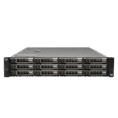
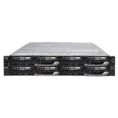
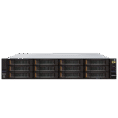
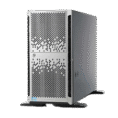




































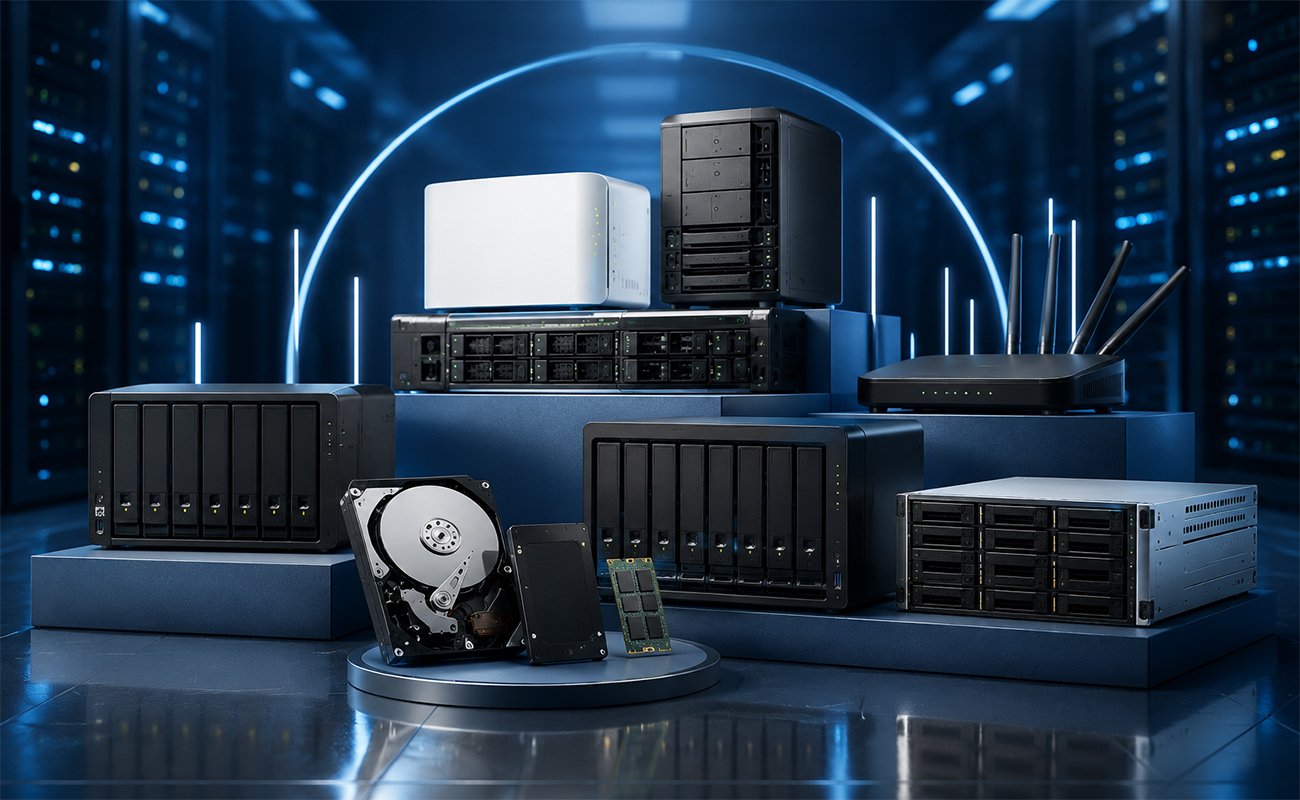
As businesses grow, so do their data storage nas and san requirements. From customer records and financial information to multimedia files and business applications, modern enterprises generate massive amounts of data every day. Managing this information efficiently requires more than just additional storage capacity—it requires reliable, scalable, and secure storage solutions.
Growing enterprises need storage devices that support productivity, collaboration, backup strategies, and long-term business growth. The right storage infrastructure can improve performance, reduce downtime, strengthen cybersecurity, and simplify data management across departments.
This guide explores nine must-have storage devices that can help enterprises build a stronger and more efficient IT environment.
1. Network Attached Storage (NAS)

Network Attached Storage (NAS) is one of the most popular storage solutions for growing businesses. NAS devices connect directly to a network and provide centralized file storage that can be accessed by multiple users simultaneously.
Benefits of NAS
- Centralized file management
- Easy collaboration
- Remote access capabilities
- Automated backups
- Scalable storage capacity
NAS solutions are ideal for businesses that need shared storage without investing in complex enterprise storage systems.
2. Storage Area Network (SAN)


A Storage Area Network (SAN) is designed for organizations with demanding storage requirements.
Unlike NAS, SAN provides block-level storage and delivers high performance for critical applications and databases.
Key Advantages
- Exceptional speed
- Low latency
- Enterprise scalability
- Advanced redundancy
- High availability
Many large enterprises rely on SAN environments to support mission-critical workloads.
3. External Hard Drives

External hard drives remain a practical storage solution for businesses that require portable and cost-effective storage.
Common Uses
- Local backups
- File transfers
- Data archiving
- Temporary storage
- Disaster recovery support
They provide a simple way to expand storage capacity without modifying existing infrastructure.
4. Solid-State Drives (SSDs)

SSDs have transformed enterprise storage by delivering significantly faster performance than traditional hard drives.
Benefits
- Faster boot times
- Rapid file access
- Improved application performance
- Lower power consumption
- Greater durability
Growing businesses increasingly use SSDs to accelerate workloads and improve productivity.
5. Enterprise Hard Disk Drives (HDDs)


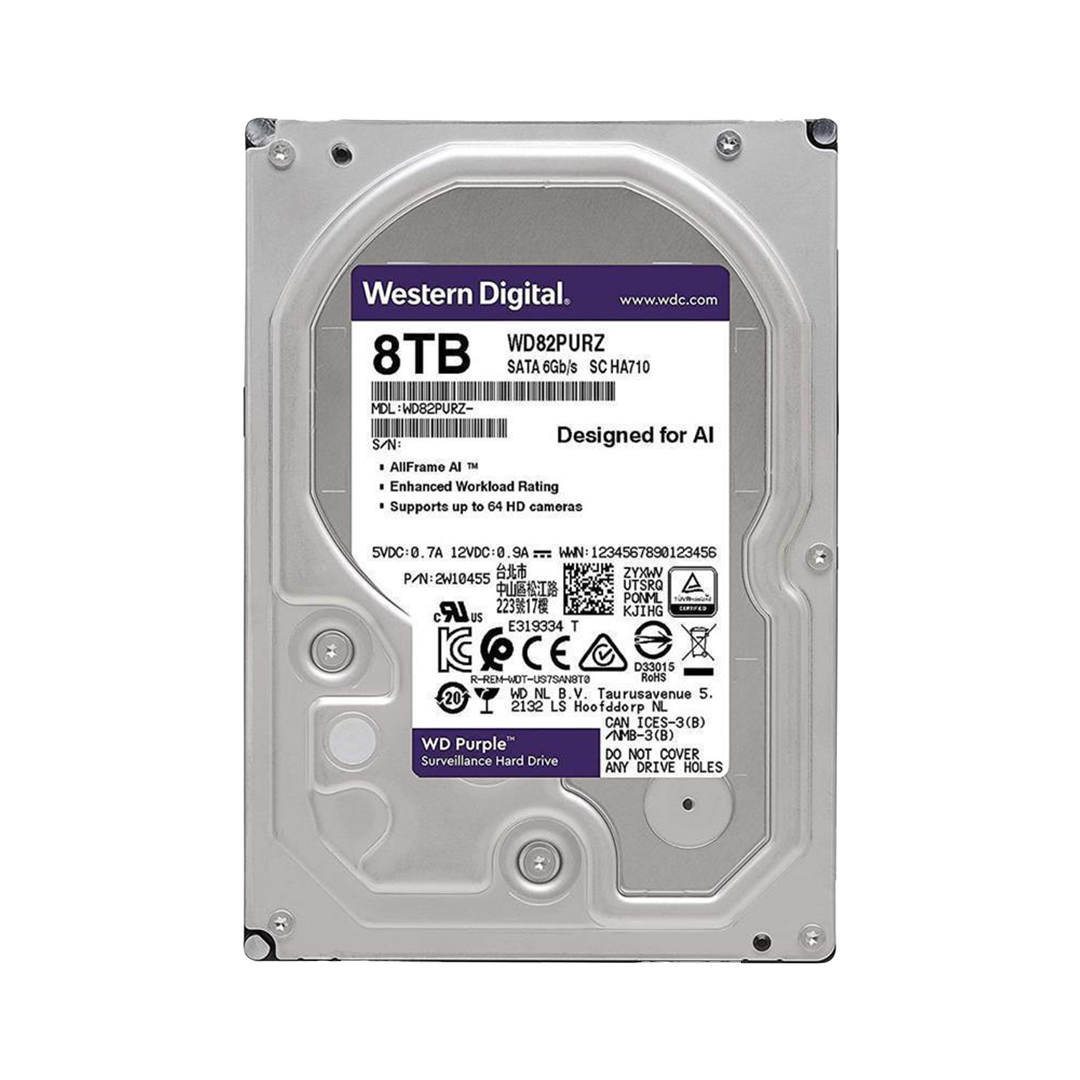
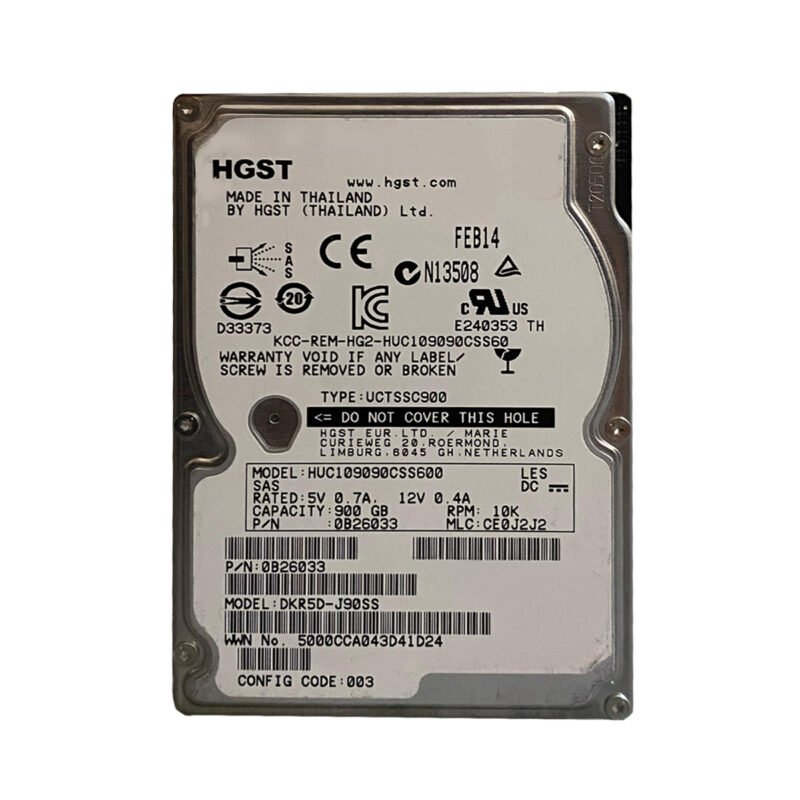
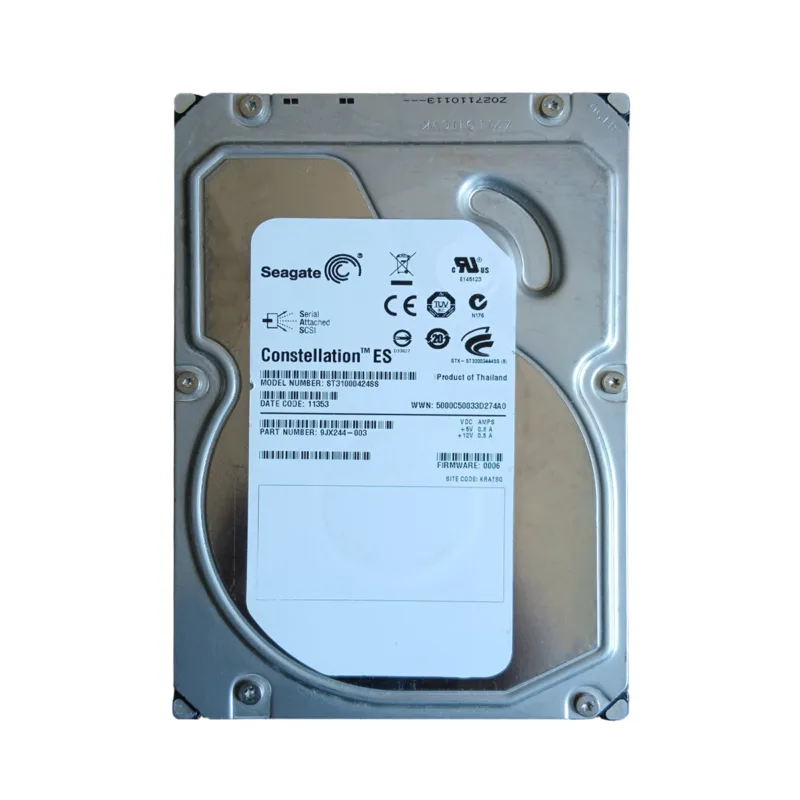
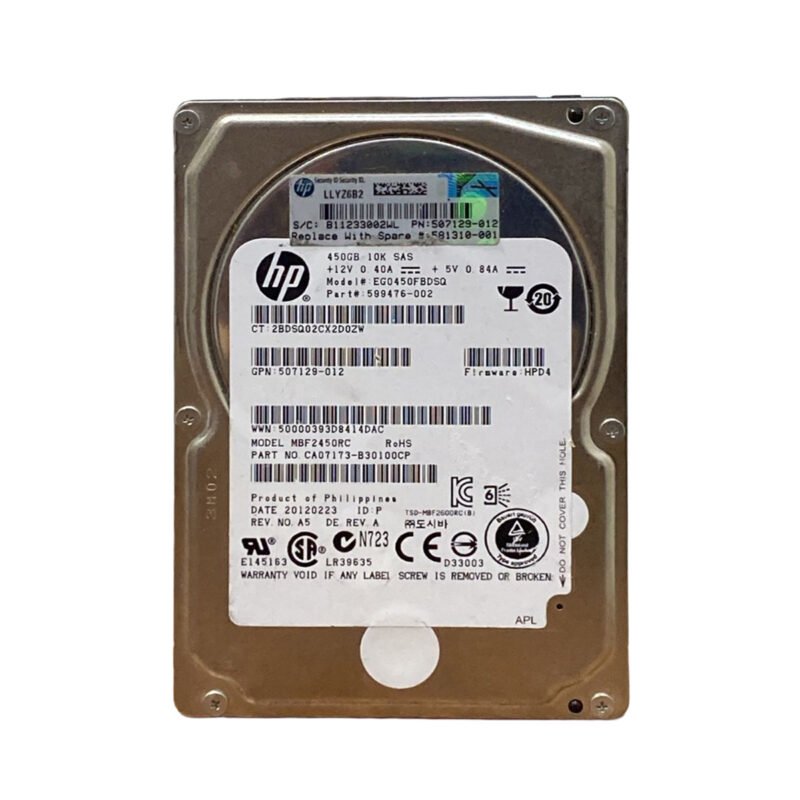
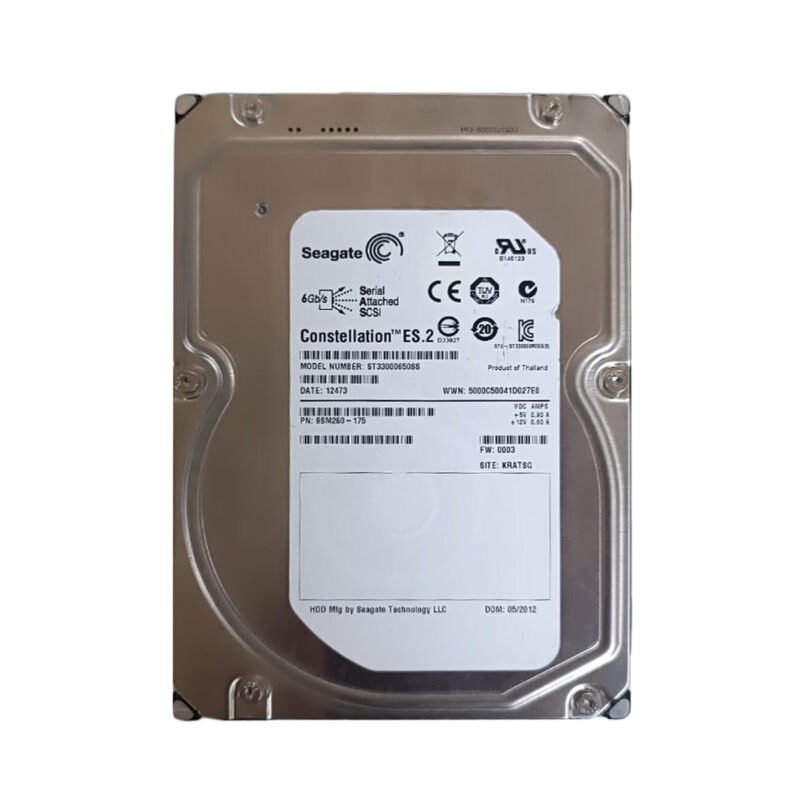
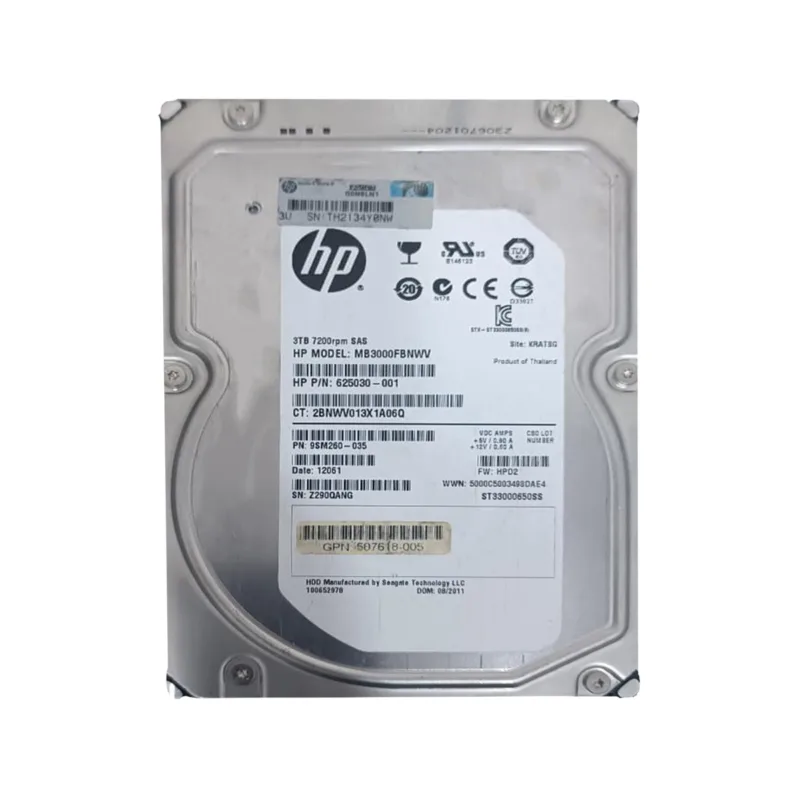
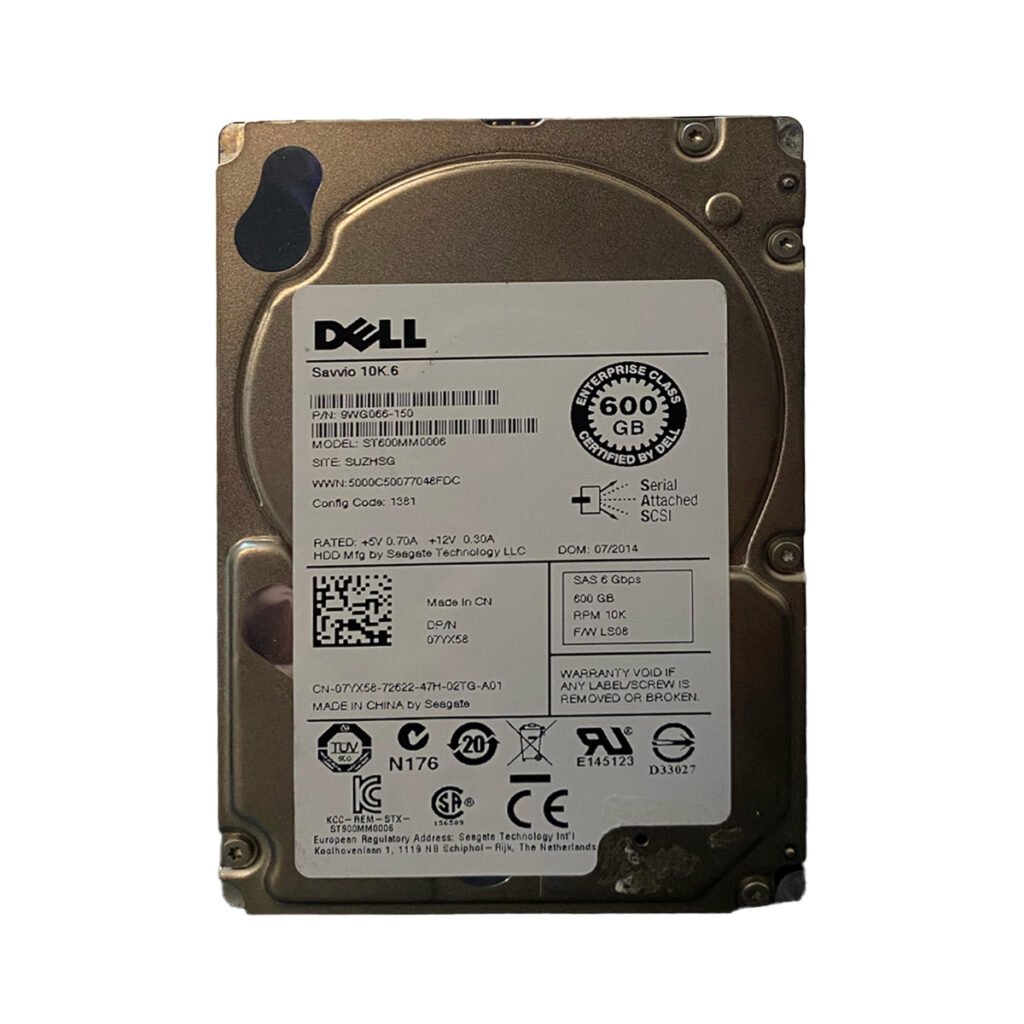
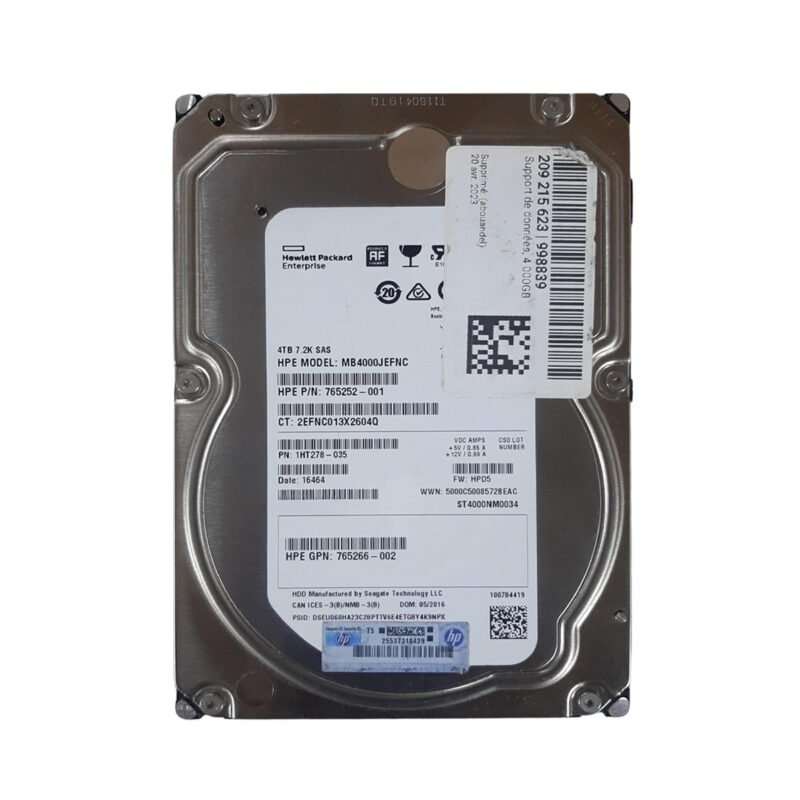
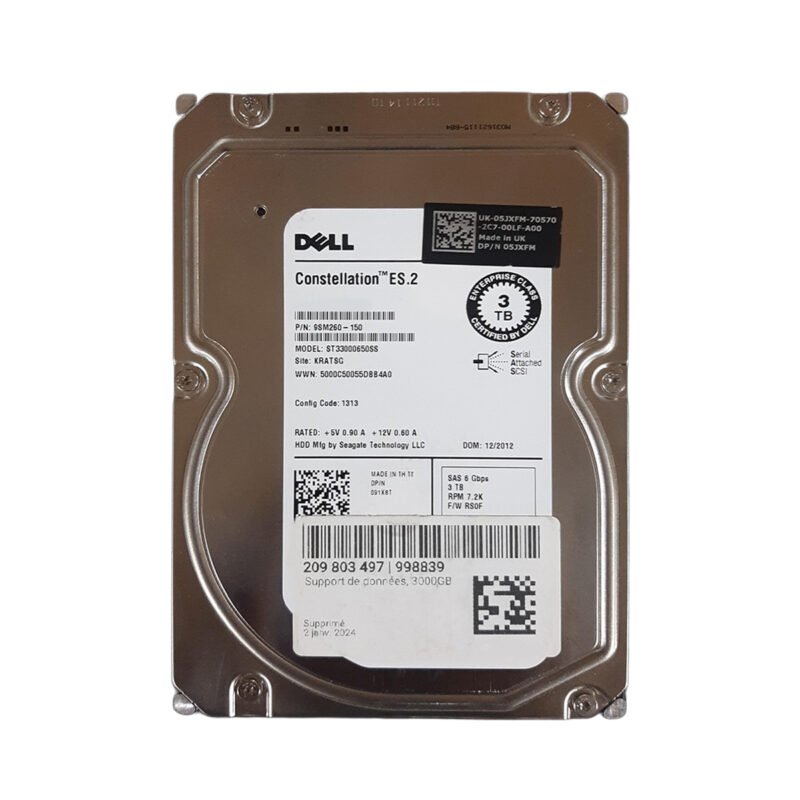
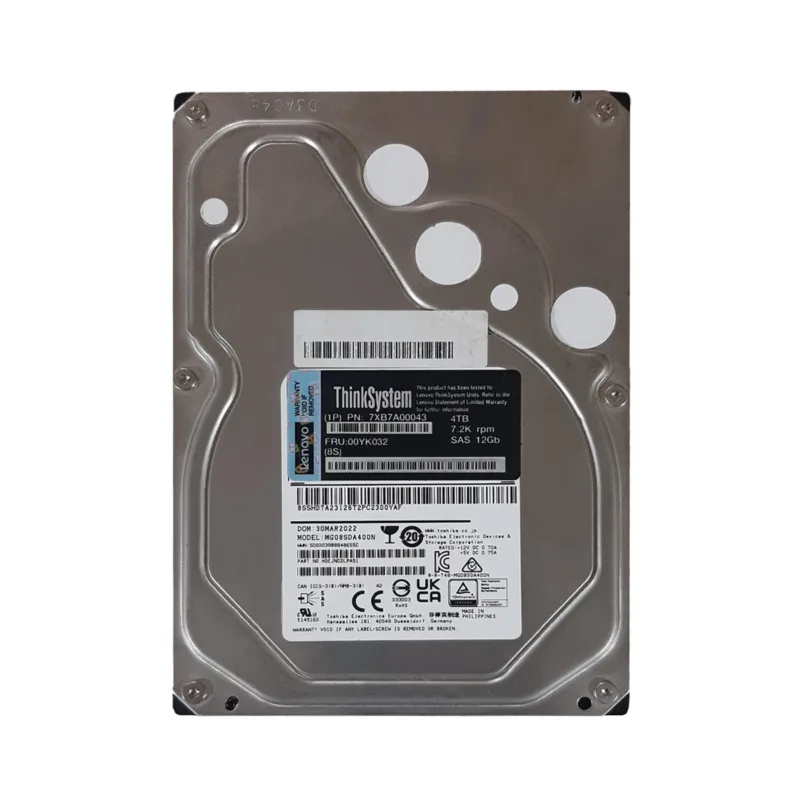
Despite the rise of SSDs, enterprise HDDs remain essential due to their affordability and high storage capacities.
Why HDDs Still Matter
- Cost-effective storage
- Large capacities
- Reliable long-term archiving
- Ideal for backup systems
- Suitable for surveillance storage
Many organizations combine HDDs and SSDs to balance performance and budget.
6. Backup Appliances


Backup appliances are dedicated systems designed to protect critical business data.
Advantages
- Automated backups
- Simplified management
- Faster recovery
- Enhanced data protection
- Reduced downtime
A dedicated backup solution helps businesses recover quickly from data loss incidents.
7. Cloud Storage Solutions


Cloud storage has become a vital part of modern IT strategies.
Key Benefits
- Flexible scalability
- Remote accessibility
- Reduced hardware requirements
- Disaster recovery support
- Simplified collaboration
Many enterprises use cloud storage alongside on-premises solutions to create hybrid storage environments.
8. RAID Storage Systems


RAID (Redundant Array of Independent Disks) improves reliability and data protection by distributing data across multiple drives.
Benefits
- Fault tolerance
- Improved availability
- Better performance
- Reduced risk of data loss
- Enhanced business continuity
RAID technology remains a key component of enterprise storage infrastructure.
9. Tape Storage Systems

Although often overlooked, tape storage continues to play an important role in enterprise data archiving.
Why Businesses Use Tape Storage
- Extremely low storage costs
- Long-term retention
- Offline protection
- Regulatory compliance support
- Reliable archival storage
For organizations managing large volumes of historical data, tape remains an effective solution.
Why Storage Planning Matters for Growing Enterprises


Choosing the right storage devices is about more than increasing capacity.
Effective storage planning helps organizations:
- Improve operational efficiency
- Protect critical information
- Support business expansion
- Enhance cybersecurity
- Reduce downtime
- Improve disaster recovery readiness
As enterprises grow, storage infrastructure must evolve alongside business requirements.
How to Choose the Right Storage Devices


When evaluating storage solutions, organizations should consider:
Capacity Requirements
Estimate current and future storage needs.
Performance Expectations
Determine whether workloads require SSD, HDD, NAS, or SAN solutions.
Security Requirements
Protect sensitive data with encryption and access controls.
Scalability
Choose solutions that can grow with the business.
Budget
Balance performance and cost-effectiveness.
Conclusion
Reliable storage infrastructure is essential for every growing enterprise. From NAS devices and SAN systems to SSDs, backup appliances, cloud platforms, and RAID storage, each solution serves a unique role in supporting business operations.
By investing in the right combination of storage technologies, organizations can improve performance, strengthen data protection, support future growth, and ensure long-term business continuity.
Storage devices are only one part of a successful IT infrastructure. To better understand the technologies that support business operations, security, networking, and performance, explore our guide on 7 Essential Components for IT Professionals.
Shop now
Sold out

Sold out

Sold out
Sold out
Sold out
Related posts
VPN Firewall vs Standard Firewall: 7 Key Differences

Businesses need reliable network security to protect sensitive information, prevent unauthorized access, and maintain secure commu...
Rack Server vs Tower Server: 6 Key Differences Explained

Rack Server vs Tower Server: 6 Key Differences Explained
Choosing between a rack server and a tower server is an important decisi...
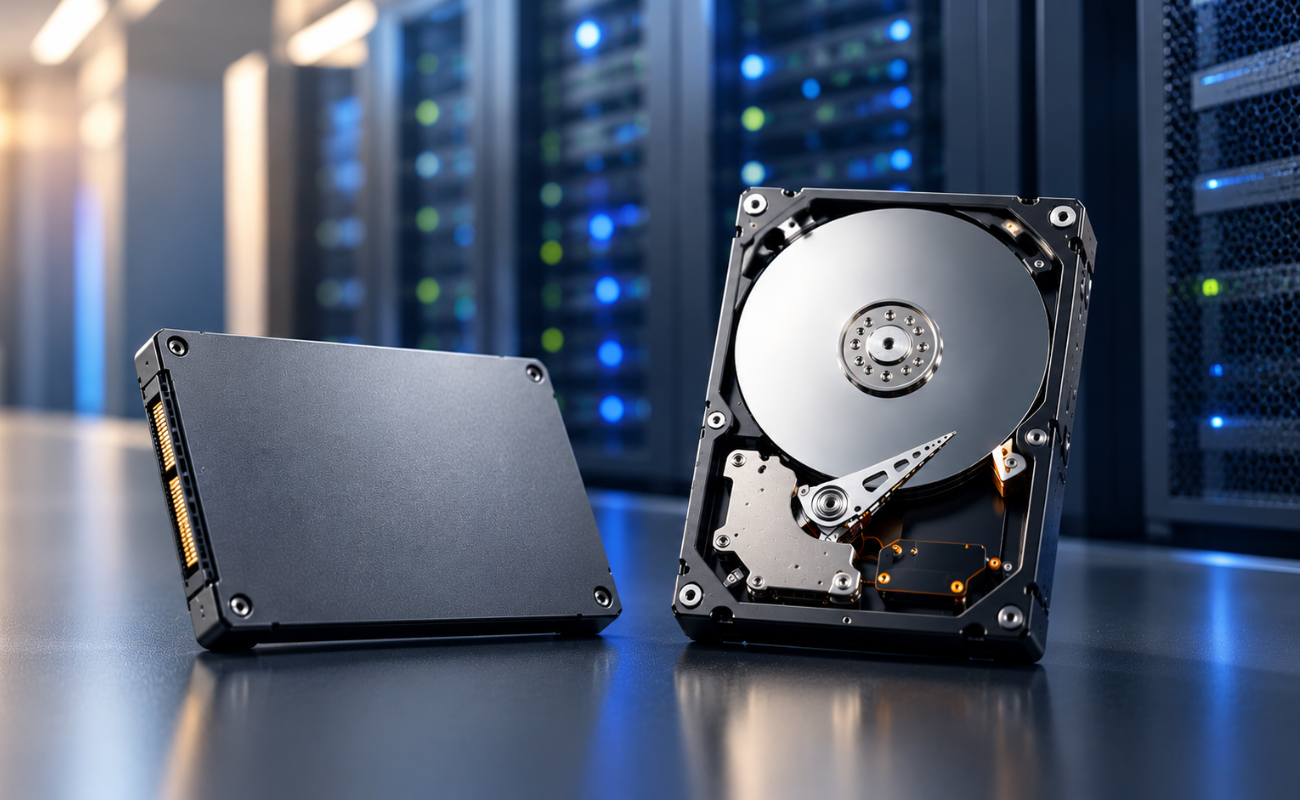
SSD vs HDD Storage: 8 Key Differences Every Business Should Know
SSD vs HDD Storage: 8 Key Differences Every Business Should Know
Choosing the right storage technology is essential for businesse...
Router Performance Explained: 7 Factors That Affect Your Internet Speed

Router performance plays a critical role in determining how efficiently a business network handles daily operations. From cloud-ba...
10 Router Security Features That Help Protect Business Networks
Business networks are constantly exposed to security risks, from unauthorized access and malicious traffic to compromised devices ...
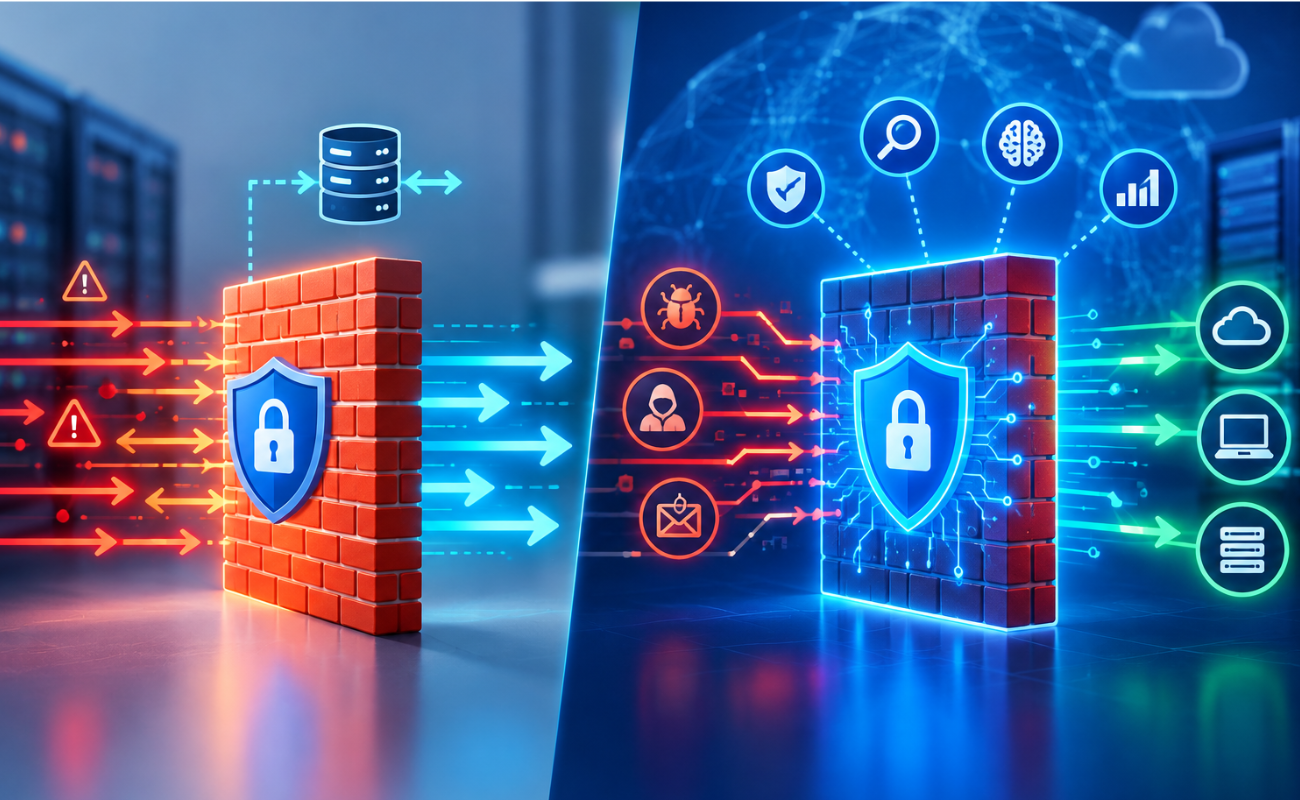
Stateful Firewall vs Next-Generation Firewall: 8 Major Differences
Firewalls play a critical role in protecting business networks from unauthorized access, suspicious traffic, and cyber threats. Ho...

7 Firewall NGFW Types Compared for Business Network Security
Choosing the right NGFW firewall is an important part of protecting business networks fro...
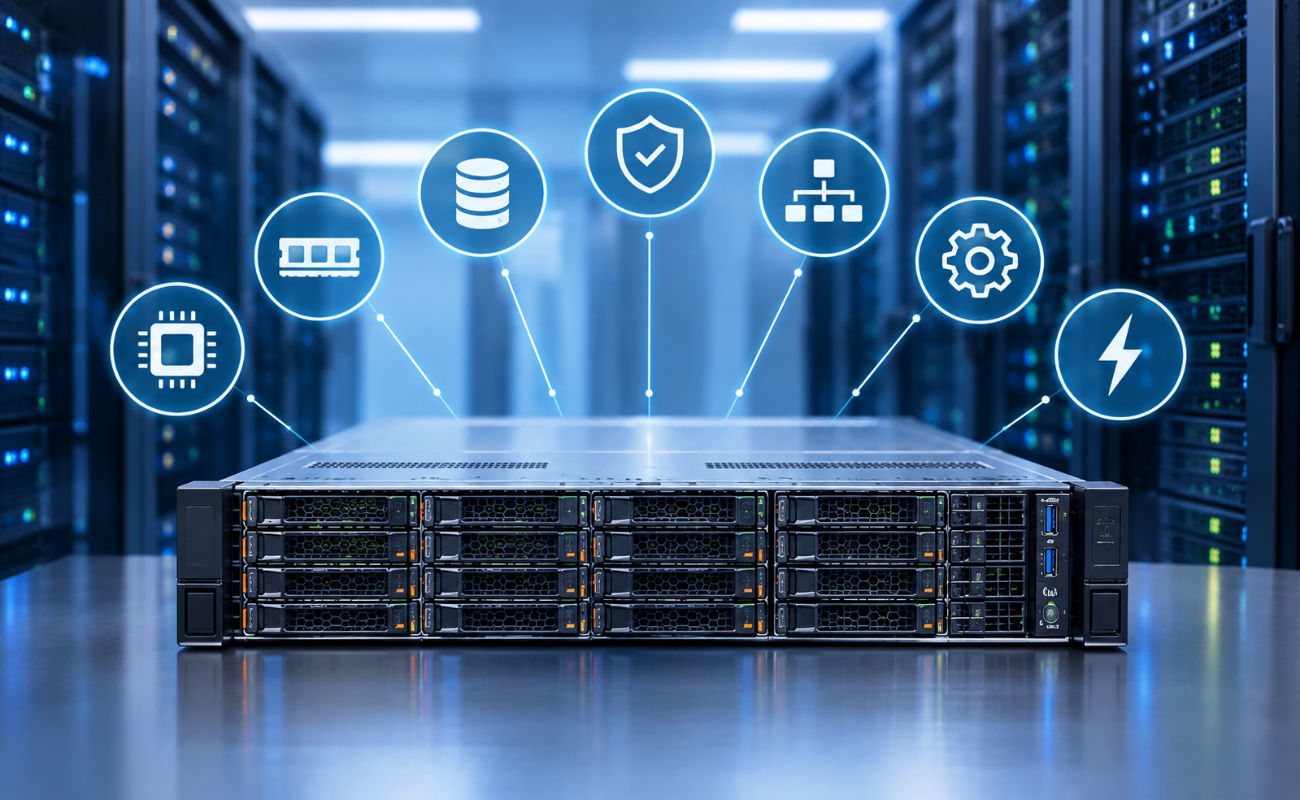
11 Server Features Every IT Manager Should Look For
11 Server Features Every IT Manager Should Look For
Choosing the right server is an important decision for any organization. Serv...
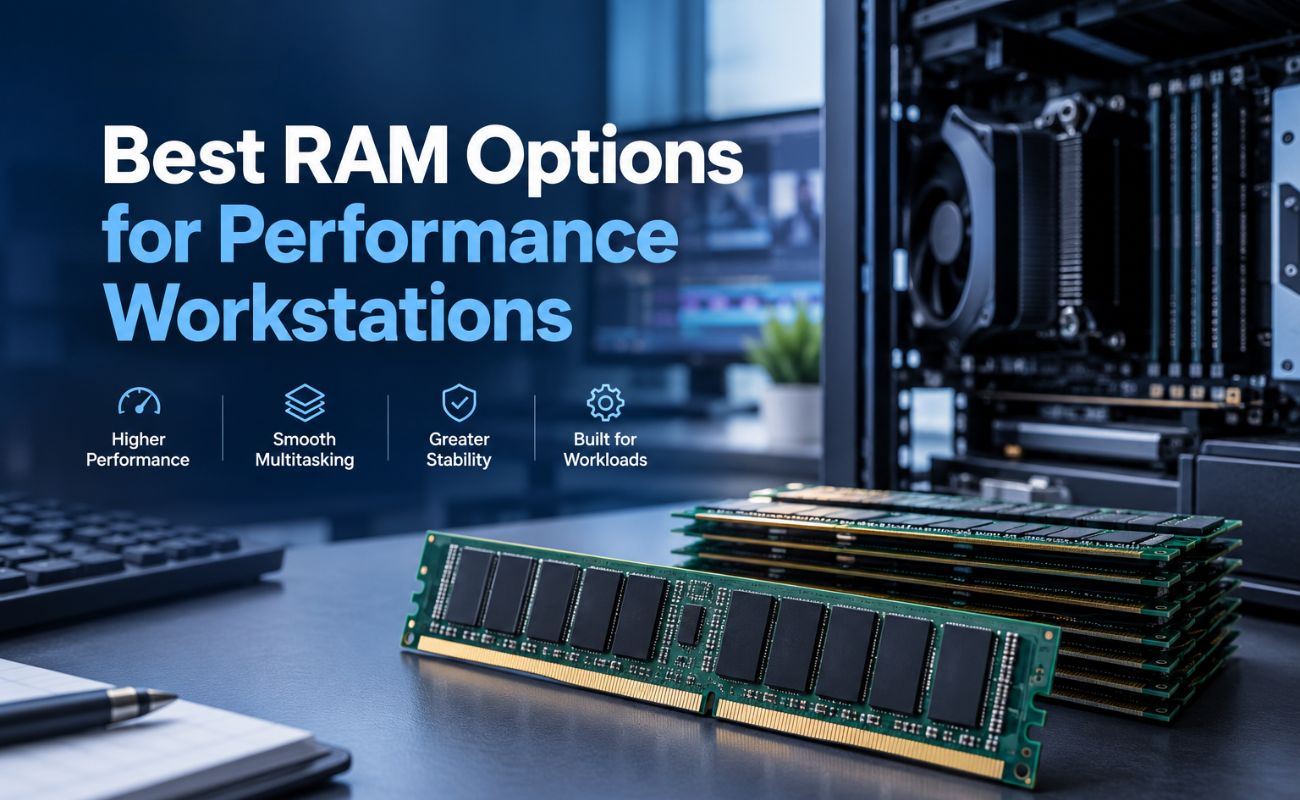
Best RAM Options for Performance Workstations
Best RAM Options for Performance Workstations
Modern performance workstations are built for demanding workloads such as 3D render...

Dual-WAN vs Single-WAN Routers: 6 Key Differences Compared
Modern businesses rely heavily on stable Internet connectivity for cloud applications, communication, online platforms, remote acc...
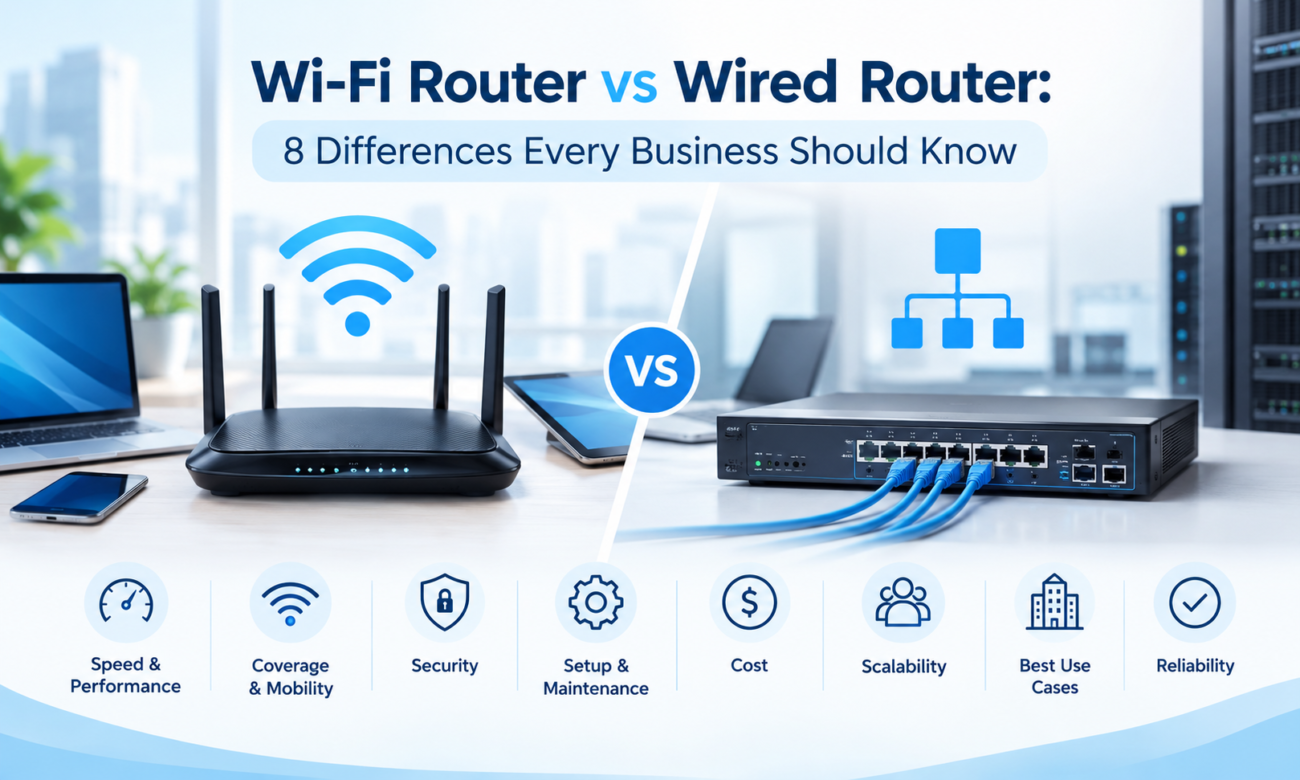
Wi-Fi Router vs Wired Router: 8 Differences Every Business Should Know
Choosing the right networking equipment is an important decision for any business. As organizations become increasingly dependent ...
Storage Buying Guide: 7 Things to Consider Before You Choose
Storage Buying Guide: 7 Things to Consider Before You Choose
Modern businesses generate and manage large amounts of data every da...
