






































Next-Generation Firewall vs Traditional Firewall: 9 Comparison Points
Network security has changed dramatically as businesses rely more heavily on cloud applications, remote access, virtualization, and internet-connected devices. Traditional firewalls remain useful for basic traffic filtering, but modern networks often require more advanced security capabilities.
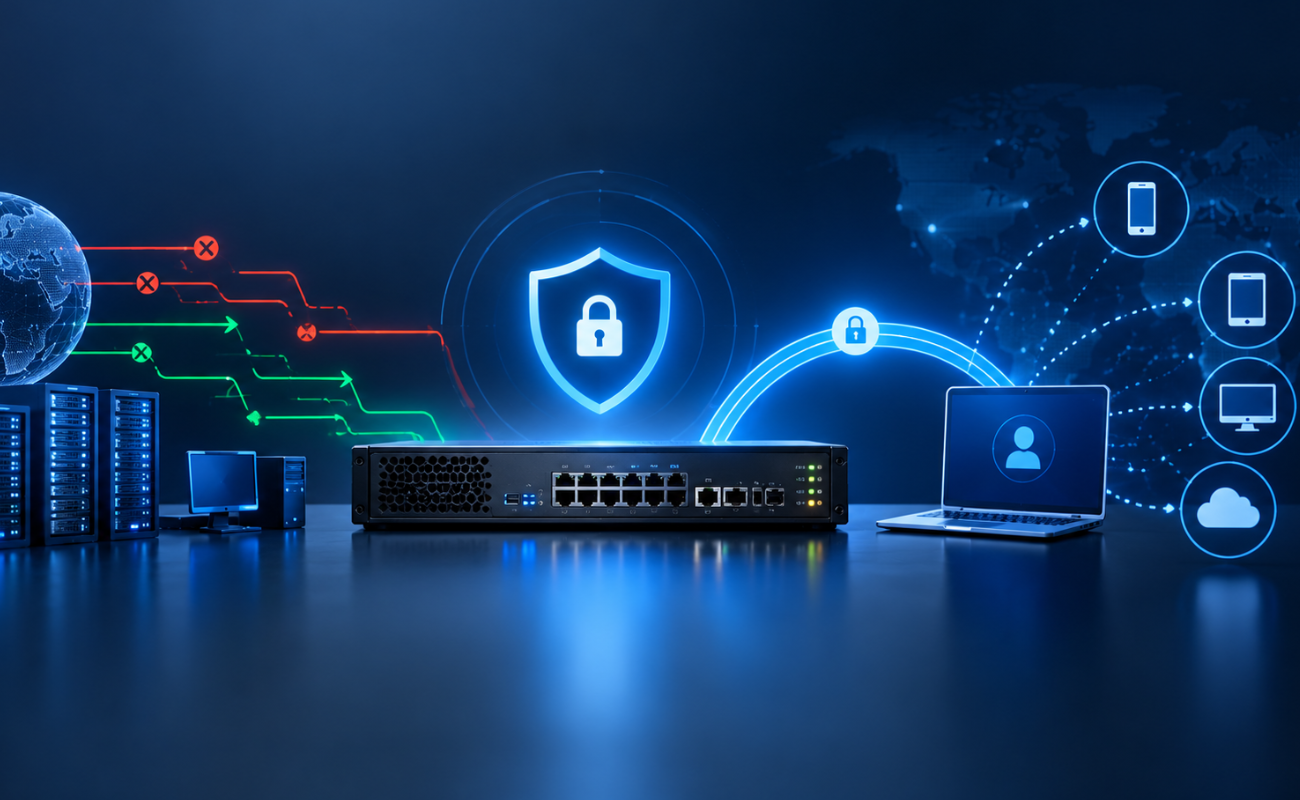
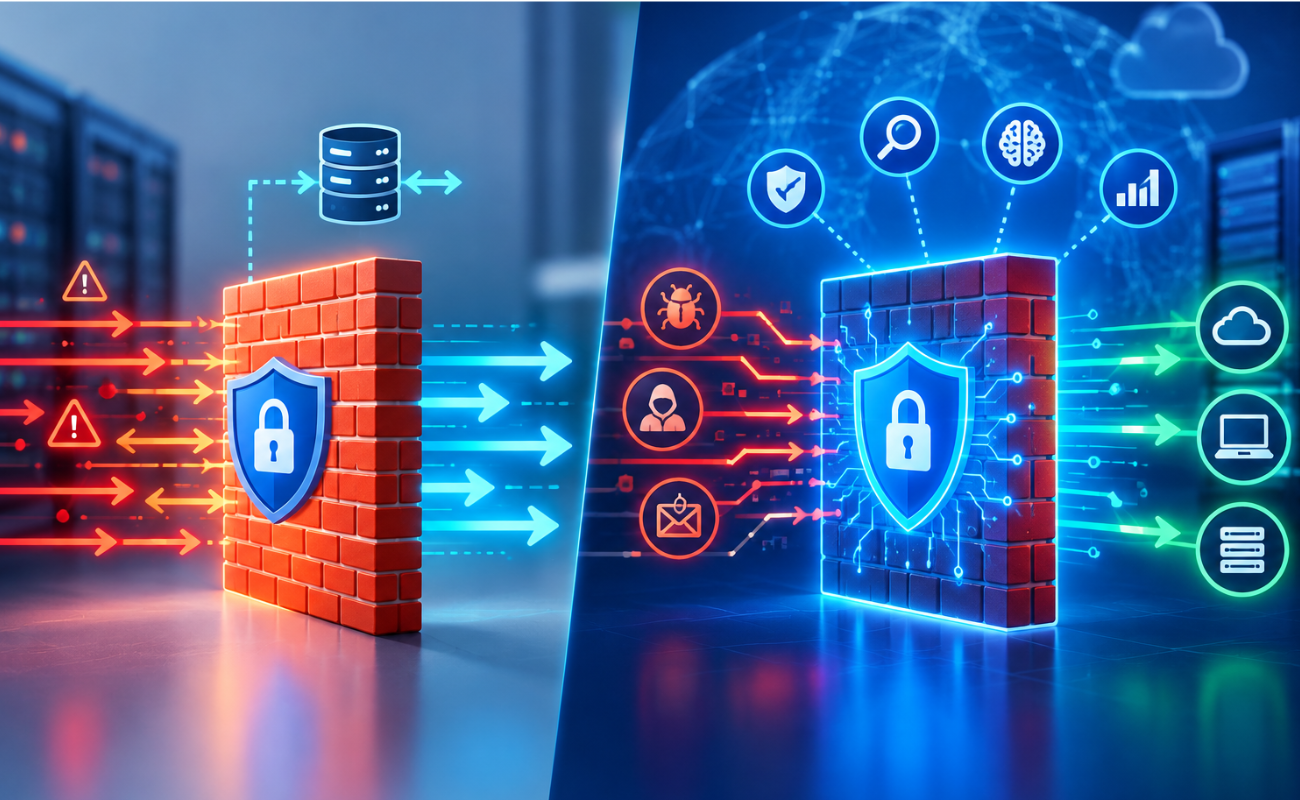
This is where Next-Generation Firewalls (NGFWs) come in. Unlike traditional firewalls that primarily control traffic based on IP addresses, ports, and protocols, NGFWs can provide deeper inspection and more advanced security controls.
1. Traffic Inspection
The first major difference is how each firewall analyzes network traffic.
A traditional firewall primarily evaluates traffic using rules based on IP addresses, ports, protocols, and network connections. This approach is effective for controlling basic network access.
This deeper inspection allows businesses to create more detailed security policies.
2. Application Awareness
Traditional firewalls generally focus on network information such as ports and protocols.
NGFWs can provide application awareness, allowing administrators to identify and control specific applications even when they use commonly available network ports.
This provides much more granular control over how employees and devices use the network
3. Intrusion Prevention
Traditional firewalls are primarily designed to control whether network connections are allowed or blocked.
NGFW platforms can include Intrusion Prevention System (IPS) capabilities that help detect and block suspicious traffic patterns and known attack techniques.
This additional layer can help businesses detect threats that may pass through basic firewall rules.
For organizations handling sensitive data or critical applications, integrated intrusion prevention can be an important security advantage.
4. User and Identity Control
Traditional firewall rules often focus on devices, IP addresses, and network segments.
Modern NGFW solutions can integrate with identity and authentication systems to apply policies based on users or groups, depending on the product and configuration.
For example, finance employees may require access to financial systems that are not available to general users.
5. Malware and Advanced Threat Protection
Traditional firewalls can block unauthorized connections, but they may provide limited protection against sophisticated threats within permitted traffic.
Many NGFW platforms can integrate additional security technologies such as malware detection, sandboxing, threat intelligence, and advanced inspection.
These capabilities can help organizations identify suspicious files, malicious behavior, and emerging threats.
However, the exact features depend on the firewall model, software version, and security subscription.
6. VPN and Remote Access
Remote work has made secure remote connectivity an important requirement for modern businesses.
Traditional firewalls can support VPN connections, but modern NGFW platforms often provide broader remote-access capabilities and centralized policy management.
This is particularly useful for businesses with branch offices, remote employees, and hybrid working environments.
7. Visibility and Monitoring
Network visibility is essential for identifying unusual activity and understanding how resources are being used.
Traditional firewalls can provide logs and basic traffic information, but NGFW platforms generally offer more detailed visibility into applications, users, devices, and security events.
Security teams can use these insights to investigate suspicious activity, identify bandwidth-heavy applications, and improve network security policies.
Better visibility can also make troubleshooting and incident response more efficient.
8. Management and Scalability
As businesses grow, managing security policies across multiple locations and devices can become increasingly complex.
Traditional firewalls can handle many standard network environments, but larger infrastructures may require additional management systems.
NGFW platforms commonly provide centralized management capabilities, making it easier to manage policies, monitor security events, and maintain consistent configurations across an organization’s infrastructure.
This can be particularly valuable for businesses with multiple offices or distributed networks.
9. Cost and Overall Value
Traditional firewalls can be an economical solution when a business mainly needs basic network traffic filtering and access control.
NGFWs typically require a higher initial investment and may involve additional licensing or security subscriptions for advanced features.
However, NGFWs can provide multiple security capabilities in one platform, potentially reducing the need for separate security solutions.
The right choice should therefore consider the total cost of ownership, security requirements, network size, and future growth rather than only the purchase price.
Next-Generation Firewall vs Traditional Firewall: Quick Comparison
| Feature | Traditional Firewall | Next-Generation Firewall |
|---|---|---|
| Traffic Filtering | IP, port, protocol | IP, port, application, user, content |
| Application Awareness | Limited | Advanced |
| Deep Inspection | Limited | Yes |
| IPS | Usually separate | Often integrated |
| Malware Protection | Limited | Advanced options |
| User-Based Policies | Limited | Supported by many platforms |
| VPN | Supported | Advanced VPN capabilities |
| Monitoring | Basic | Detailed visibility |
| Management | Standard | Advanced/centralized options |
Popular Firewall & Networking Brands
Businesses looking for firewall and network security solutions can consider products from several established technology vendors.
Cisco
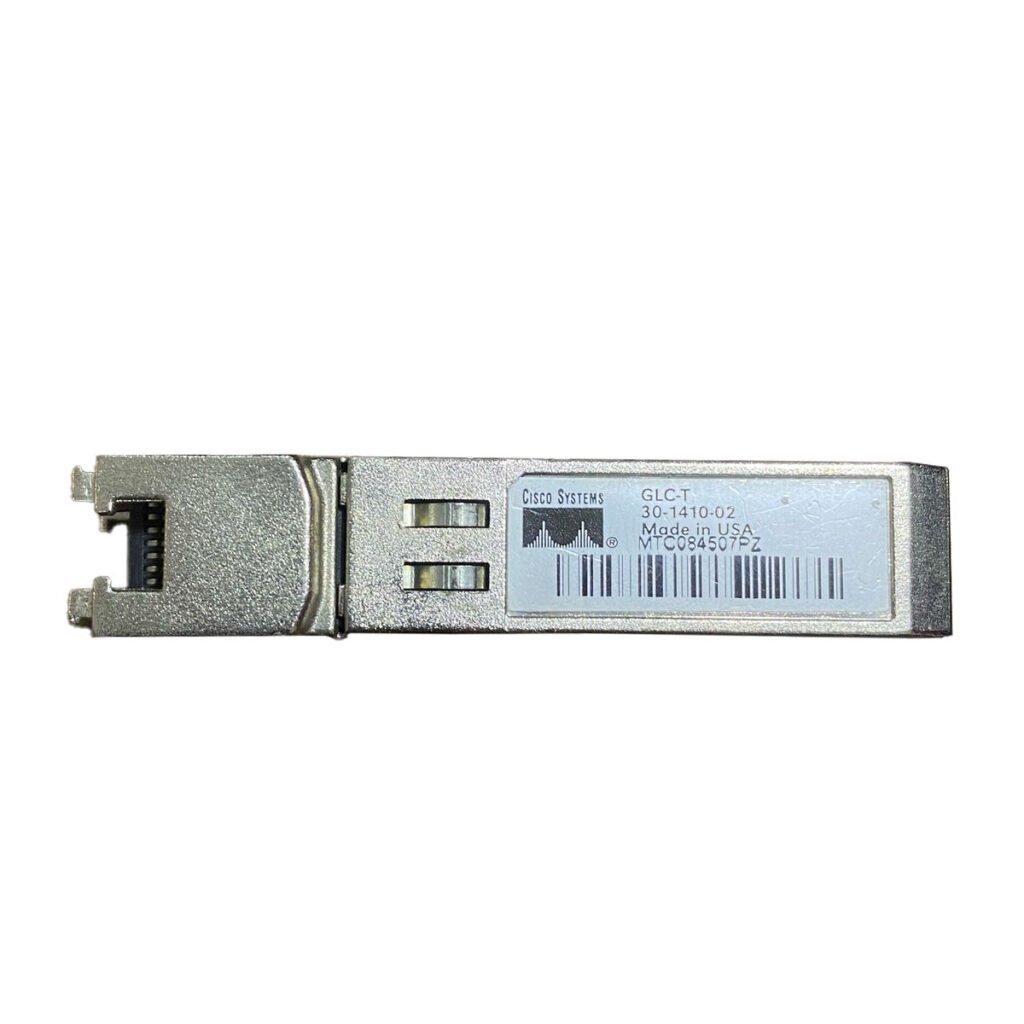
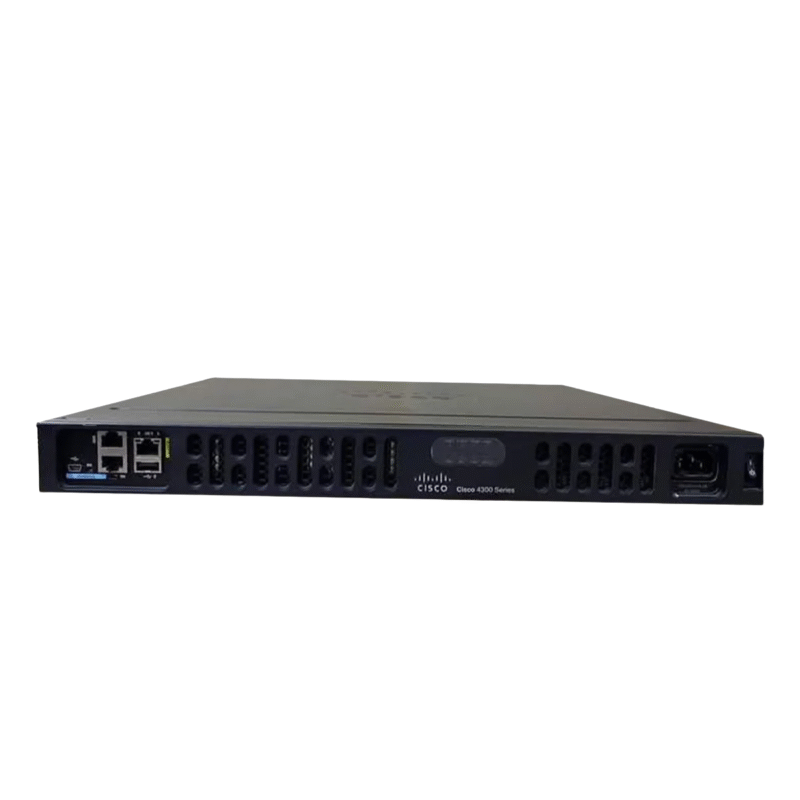
Cisco offers a broad portfolio of networking and security technologies, including firewall solutions designed for business and enterprise environments.
Fortinet
Fortinet is well known for its FortiGate firewall family, which provides next-generation firewall capabilities for organizations of different sizes.
HPE Aruba
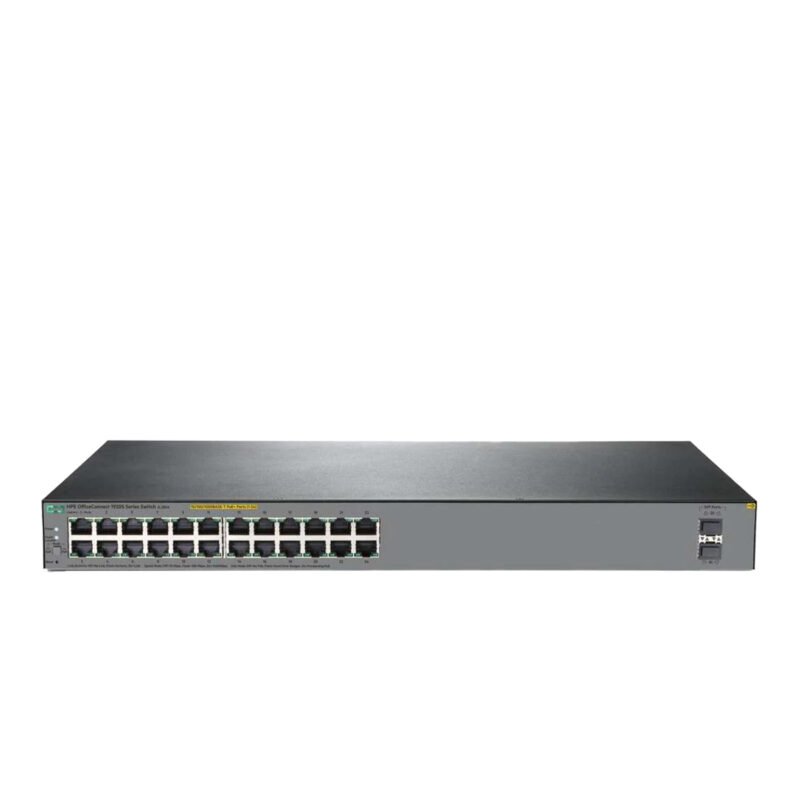
HPE Aruba Networking provides networking and security technologies designed for enterprise environments, campuses, and distributed infrastructures.
Dell
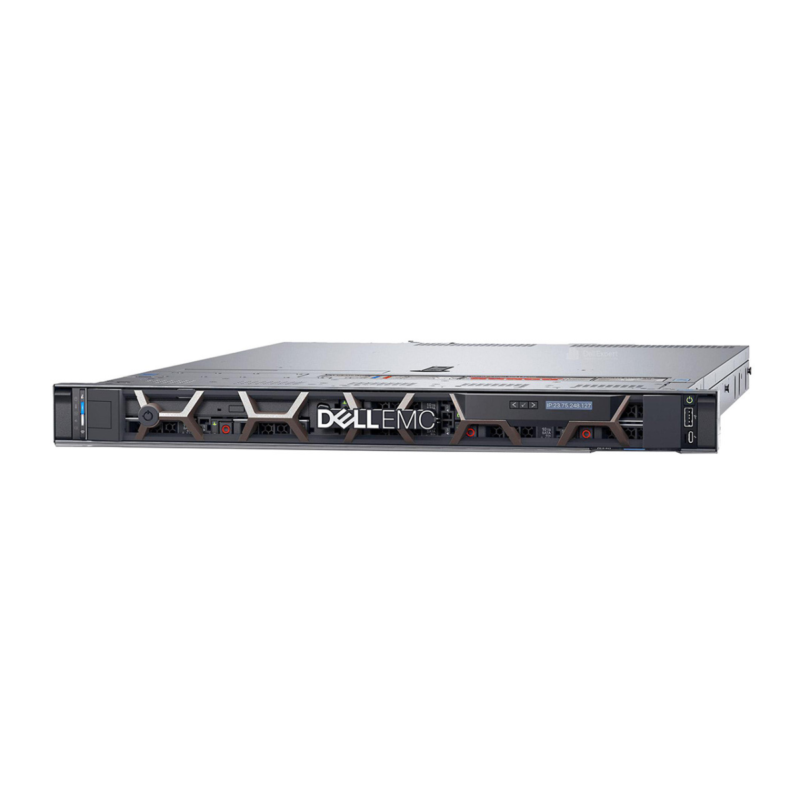
Dell Technologies provides infrastructure and networking solutions that can be integrated into business and data-center environments.
IBM
IBM provides enterprise cybersecurity and network security technologies for organizations with complex security and infrastructure requirements.
Important: Not every product from these brands is necessarily an NGFW. The exact firewall capabilities depend on the specific product family and model.
Which Firewall Is Better for Your Business?
A traditional firewall can still be an effective option when your business needs straightforward network traffic filtering and does not require extensive application-level security controls.
For businesses with growing networks, cloud applications, remote users, and increasingly complex cyber threats, an NGFW can provide a more comprehensive security platform.
How to Choose the Right Firewall
Before purchasing a firewall, businesses should evaluate several important factors:
- Number of users and devices
- Internet bandwidth
- VPN requirements
- Application control needs
- Security features
- Number of network locations
- Future scalability
- Management requirements
- Licensing costs
- Technical support
It is also important to consider the firewall’s throughput under the security features you actually plan to enable. A device may have a high advertised firewall throughput but deliver lower performance when advanced inspection, IPS, or other security functions are active.
Frequently Asked Questions
1. What is a Next-Generation Firewall?
A Next-Generation Firewall (NGFW) is a security platform that combines traditional firewall functions with advanced capabilities such as application awareness, deeper traffic inspection, intrusion prevention, and additional threat protection features.
2. What is a traditional firewall?
A traditional firewall primarily controls network traffic according to rules involving IP addresses, ports, protocols, and connections.
3. Is an NGFW better than a traditional firewall?
For many modern business environments, an Next-Generation Firewall can provide more comprehensive security and visibility. However, a traditional firewall may be sufficient for networks with simpler requirements.
4. Is Fortinet a Next-Generation Firewall brand?
Fortinet offers NGFW products through its FortiGate family. The exact features depend on the specific model and licensing.
5. Does Cisco offer Next-Generation Firewalls?
Yes. Cisco offers firewall and security solutions that include next-generation capabilities. The exact functionality depends on the product family and model.
6. Can Dell be used for network security?
Dell provides enterprise infrastructure and networking solutions. For firewall selection, businesses should verify the specific Dell product and its supported security capabilities.
7. Is Aruba a firewall brand?
HPE Aruba Networking is primarily known for networking infrastructure, including switches and wireless networking solutions. Businesses should evaluate the specific Aruba security and networking products required for their environment.
8. Does an NGFW replace antivirus software?
Not necessarily. An NGFW protects network traffic, while endpoint security protects individual computers and devices. They address different layers of security and can be used together.
9. Are Next-Generation Firewalls expensive?
Next-Generation Firewalls can cost more than basic firewalls because they provide additional security capabilities. Licensing, subscriptions, performance requirements, and support can also affect the overall cost.
10. How do I choose the right NGFW?
Consider your bandwidth, number of users, VPN requirements, applications, security features, network architecture, expected growth, budget, and required support before selecting an NGFW.
Conclusion
The difference between Next-Generation Firewall vs Traditional Firewall goes beyond simple traffic filtering.
Traditional firewalls remain useful for basic network access control, while Next-Generation Firewall solutions provide deeper visibility and more advanced security capabilities such as application control, intrusion prevention, identity-based policies, and threat detection.
Brands such as Cisco, Fortinet, HPE Aruba, Dell, and IBM offer technologies that can be part of modern enterprise networking and security environments, but the right choice always depends on the specific product, model, features, and business requirements.
For organizations facing increasingly complex networks and cybersecurity challenges, choosing a powerful, scalable, and properly sized firewall can be an important step toward building a stronger security infrastructure.