







































How to Choose the Right Server for Your Office in 7 Steps
Choosing the right server for an office is an important decision for businesses that rely on centralized data, applications, file sharing, and reliable network services. The right server can improve productivity, protect important information, and provide the performance needed as the business grows.
However, choosing server hardware can be confusing because different businesses have different workloads and requirements. Understanding How to Choose the Right Server for Your Office in 7 Steps can help business owners and IT managers make a practical decision based on performance, storage, scalability, and budget.
Why Does Your Office Need a Server?
A server provides centralized resources that can be shared across multiple users and devices. Instead of keeping important files and applications on individual computers, businesses can manage them from a centralized infrastructure.
An office server can be used for:
- File and document sharing
- Business applications
- Database management
- Backup and storage
- User and access management
- Virtualization
- Internal applications
- Remote access
For growing businesses, having the right infrastructure can improve organization, security, and overall IT efficiency.

Step 1: Identify Your Office Workloads
The first step in How to Choose the Right Server for Your Office in 7 Steps is understanding what the server will be used for.
A small office that mainly needs file sharing will have very different requirements from an organization running databases, ERP software, or multiple virtual machines.
Consider the applications and services your office currently uses and what you expect to add in the future.
Ask yourself:
- How many employees will use the server?
- How much data does the business generate?
- Will the server host applications?
- Will you use virtualization?
- Do you need centralized backups?
- Will employees access the server remotely?
Answering these questions helps determine the required hardware configuration.
Step 2: Choose Between a Tower and Rack Server
The physical environment of your office should influence your server choice.
Tower Servers
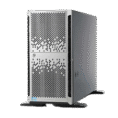
Tower servers are often a practical choice for offices without a dedicated server room. They look similar to desktop systems but are designed specifically for server workloads.
Popular options include Dell PowerEdge T-series and HPE ProLiant ML-series servers.
Tower servers are suitable for:
- Small businesses
- Branch offices
- Professional offices
- Retail businesses
- Small IT environments
They are generally easy to install and can provide strong performance without requiring a server rack.
Rack Servers
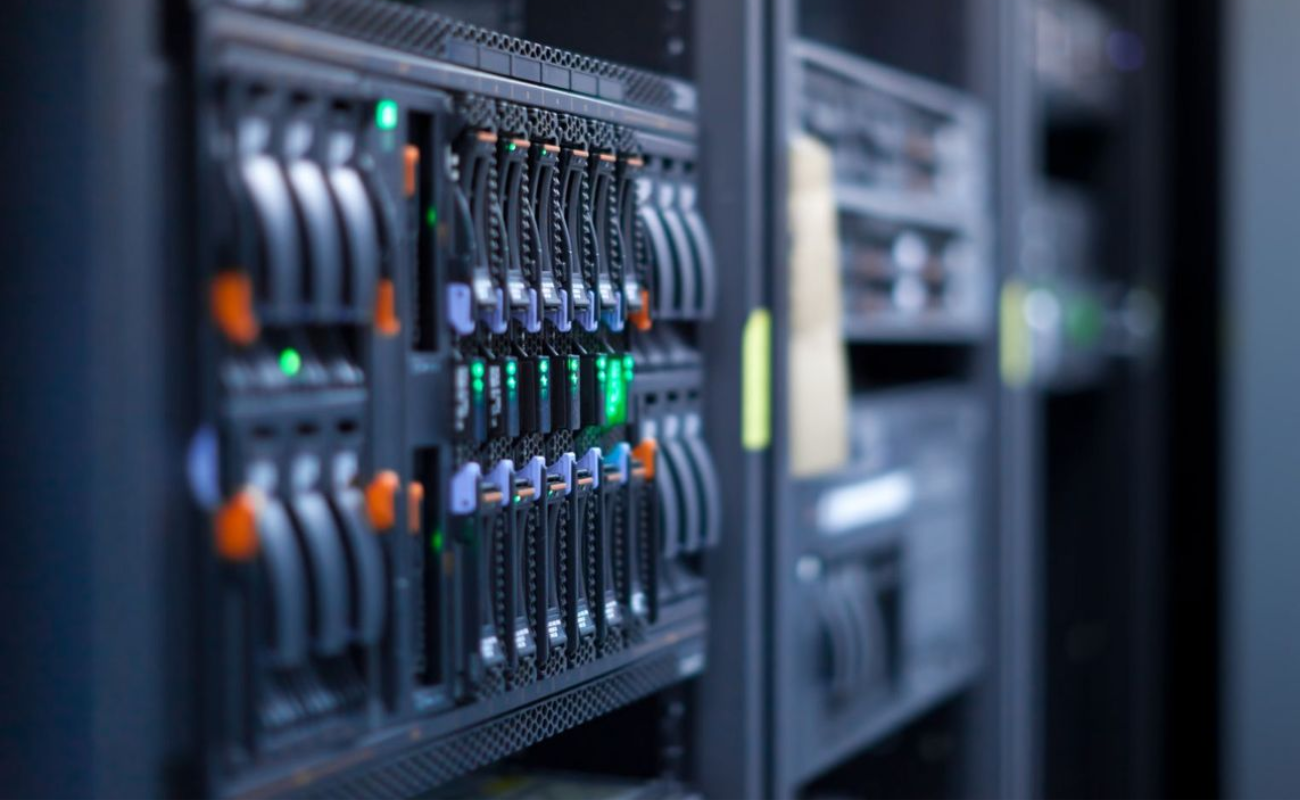
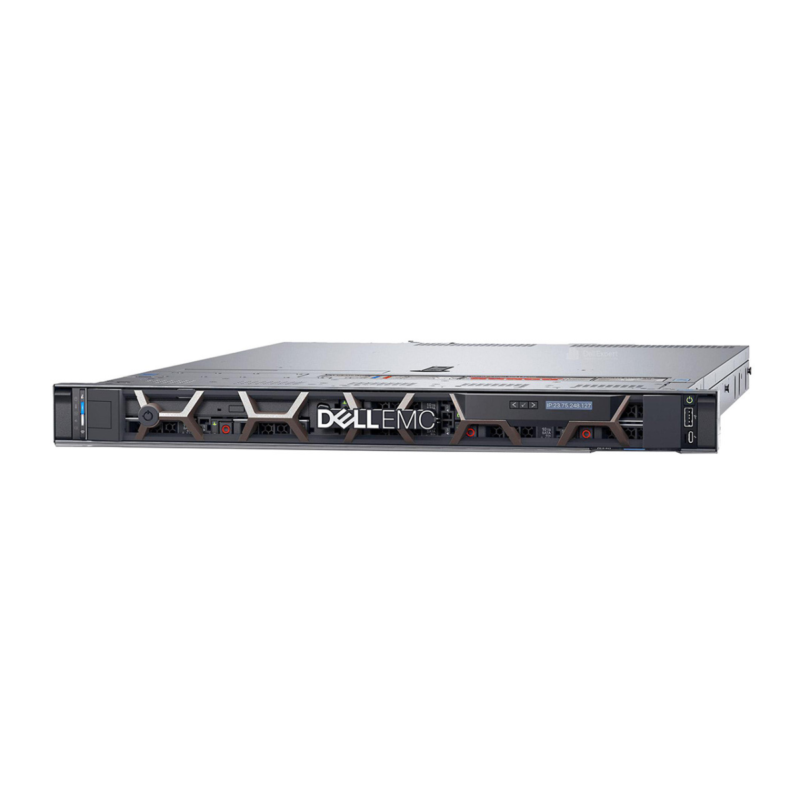
Rack servers are a better option when an organization expects to deploy multiple servers or already has a dedicated rack infrastructure.
They provide efficient use of physical space and can be integrated with enterprise networking and storage equipment.
Choosing the appropriate form factor is an important part of How to Choose the Right Server for Your Office in 7 Steps.
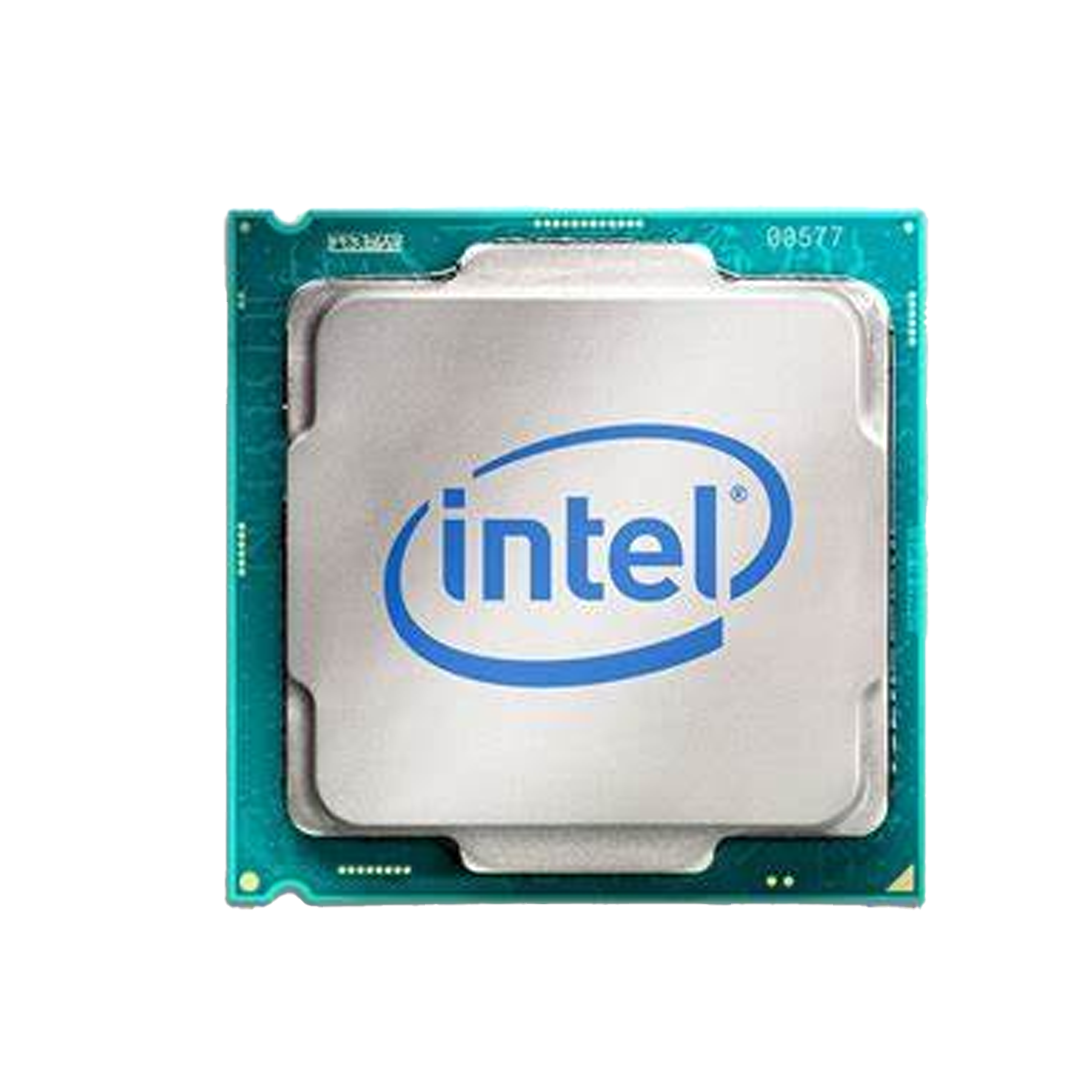
Step 3: Select the Right Processor
The processor determines how efficiently your server handles applications and simultaneous tasks.
For basic office workloads such as file sharing and document management, a moderate-performance CPU may be sufficient. More demanding applications require processors with additional cores and higher performance.
Consider:
- Number of CPU cores
- Processor generation
- Clock speed
- Number of supported CPUs
- Virtualization requirements
If your business expects significant growth, choosing a server platform that supports processor upgrades can provide additional flexibility.
Step 4: Determine How Much RAM You Need
Memory is another important factor when selecting a server. Applications and virtual machines use RAM to process data efficiently.
An office server running simple file-sharing services may require less memory than a server hosting databases or several virtual machines.
When planning RAM, consider:
- Number of users
- Applications being hosted
- Number of virtual machines
- Database requirements
- Future expansion
Choosing a server with expandable memory allows your office to increase capacity later without replacing the entire system.When considering How to Choose the Right Server for Your Office in 7 Steps, selecting enough RAM is essential for maintaining smooth performance as the number of users and applications increases. A scalable memory configuration also gives your office room to handle future workloads.
Step 5: Choose the Right Storage Configuration
Storage requirements depend on the amount and type of data your business manages.
Office servers can use different storage technologies, including HDDs, SSDs, and NVMe drives.
HDD Storage
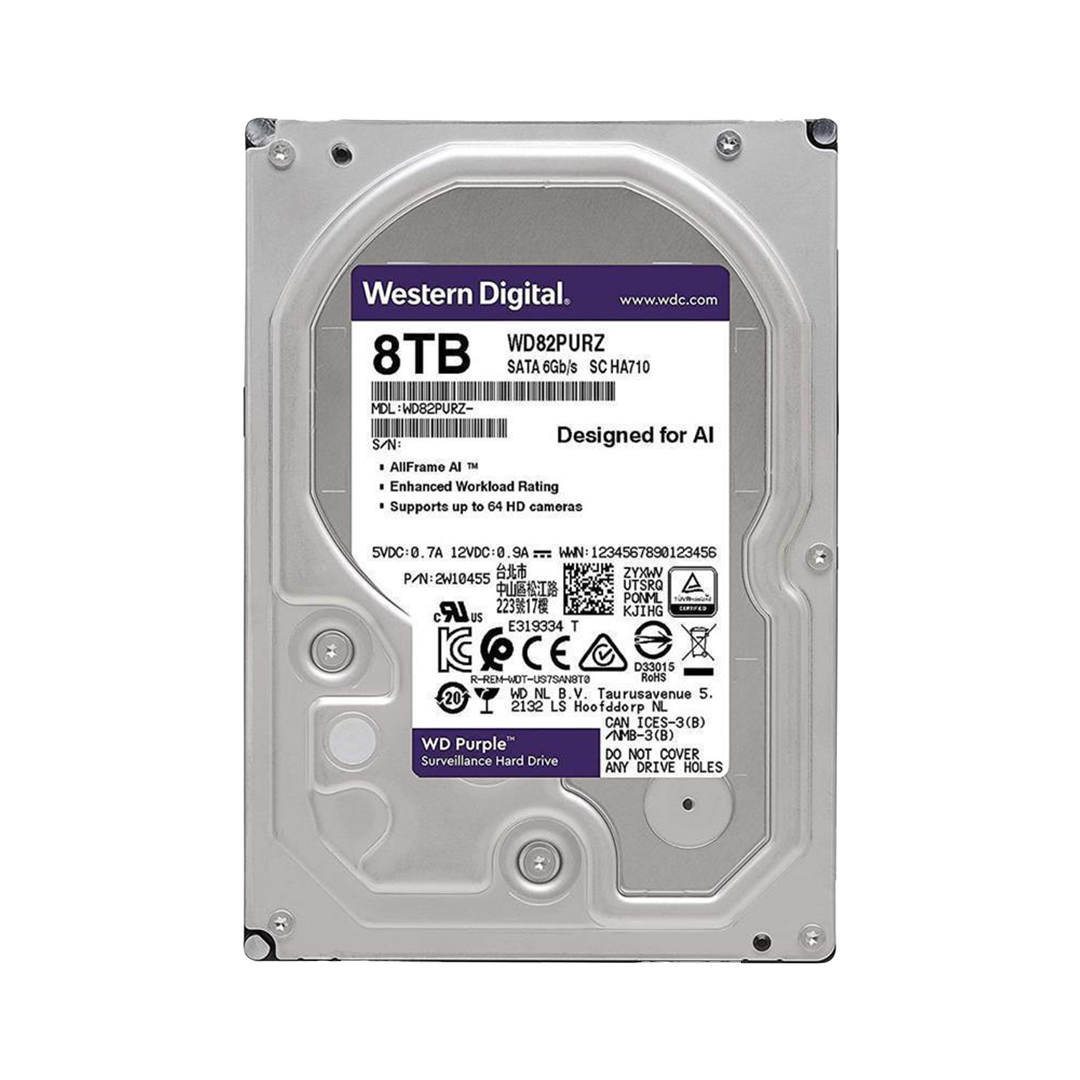
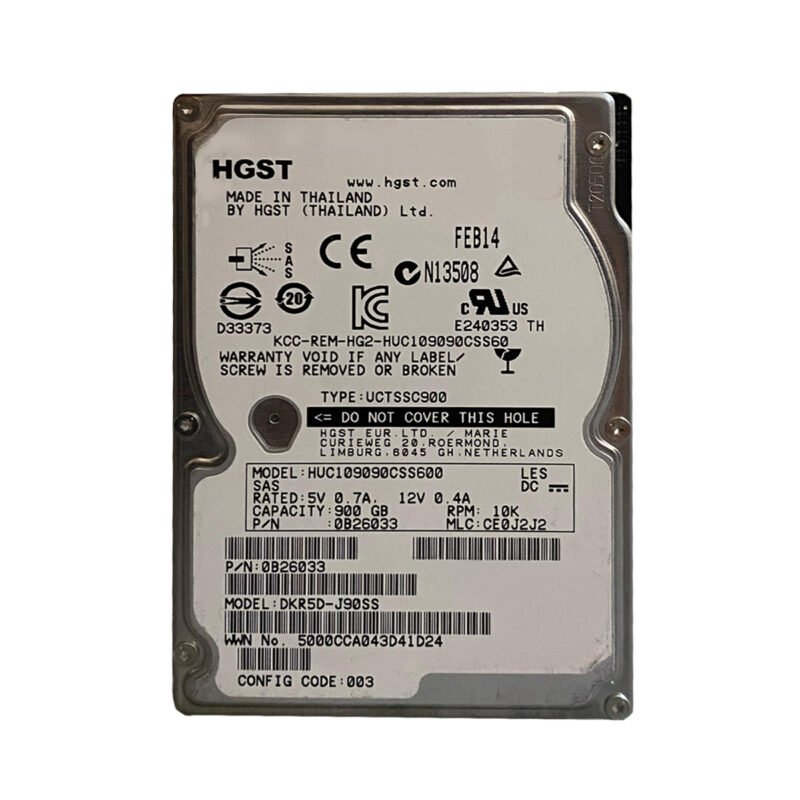
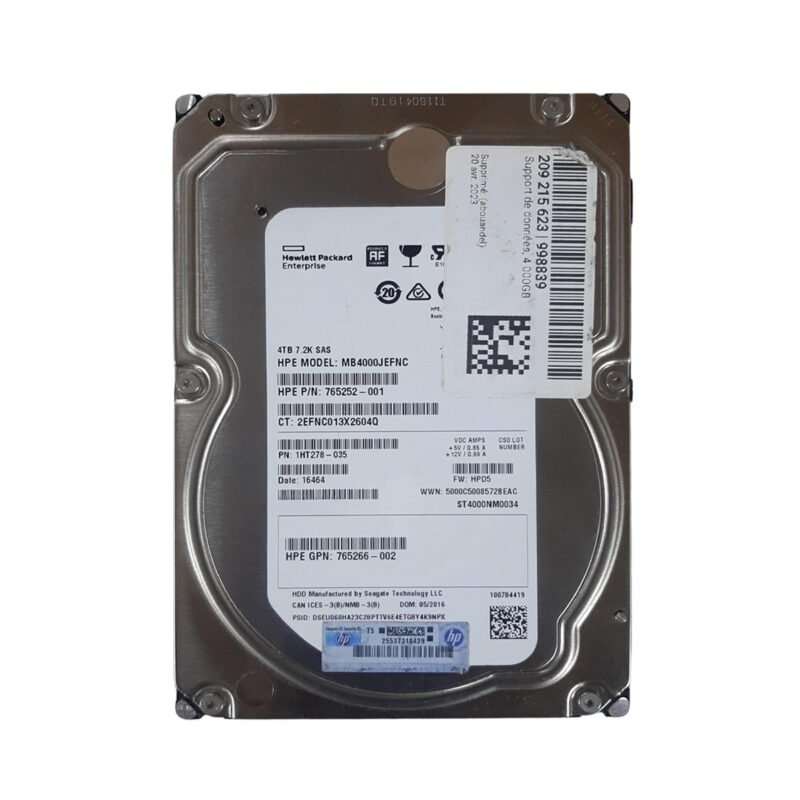
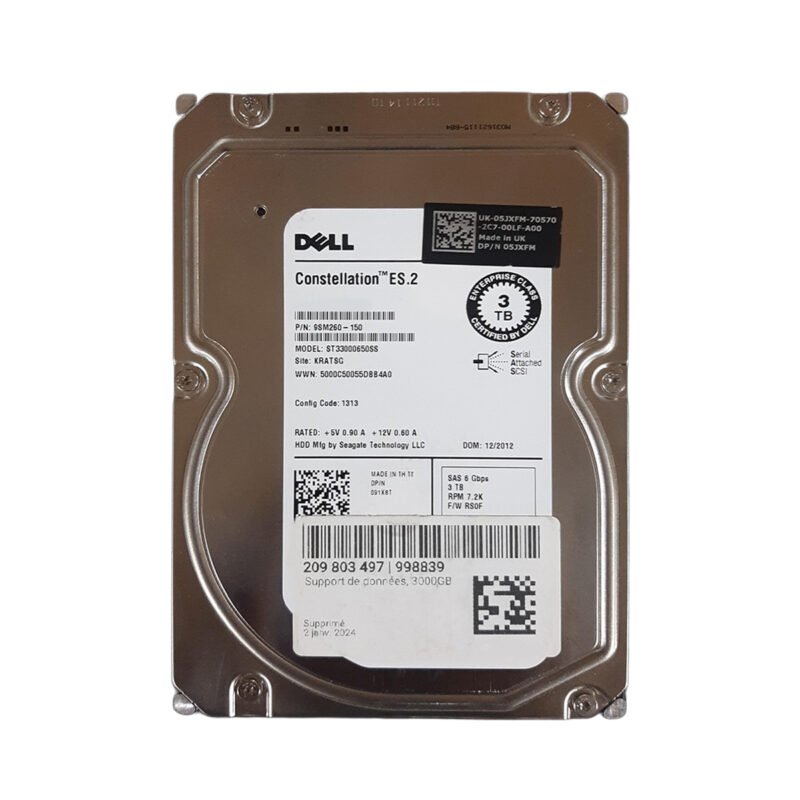
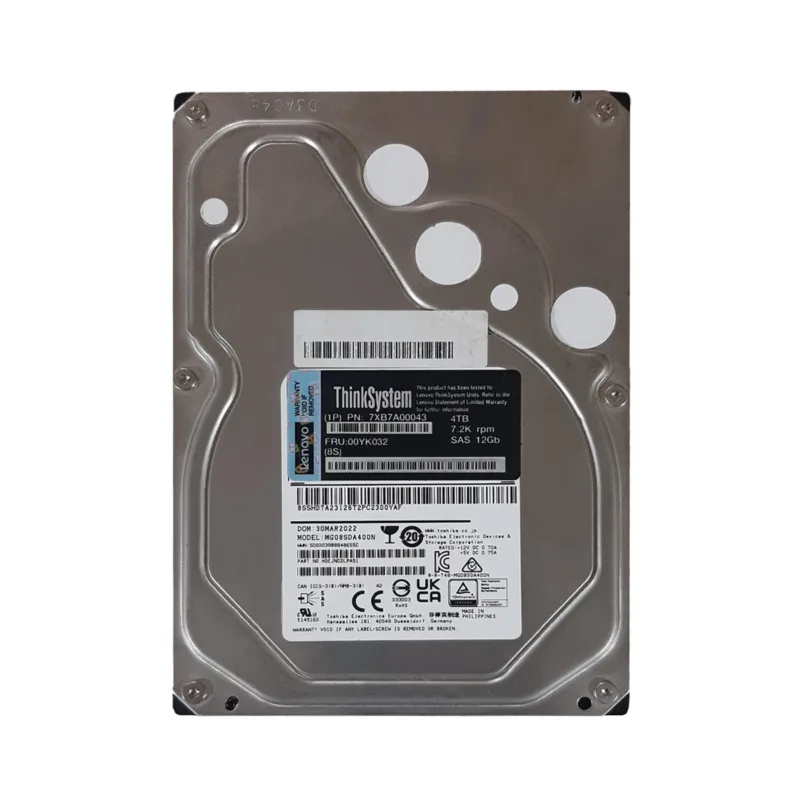
Hard drives provide high capacity at a relatively lower cost and are useful for large file repositories and backup storage.
SSD Storage
SSDs provide faster performance and are ideal for applications, databases, and workloads that require quick access to data.
NVMe Storage
NVMe drives offer extremely high storage performance and are useful for demanding applications that require very fast data access.
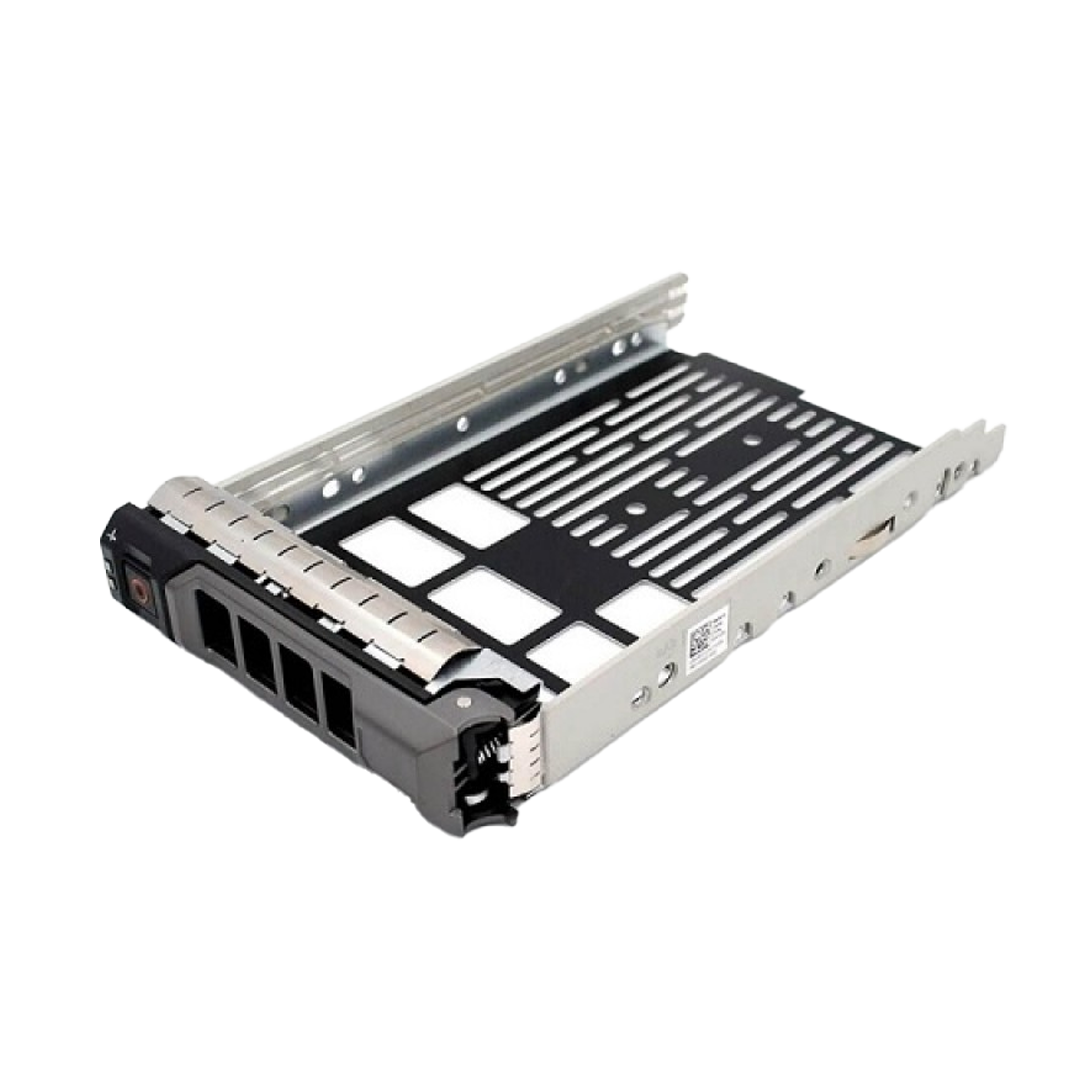
You should also consider the number of drive bays and available RAID options.
Step 6: Consider RAID, Backup, and Security
Protecting business data should be a priority when choosing a server.
RAID can provide redundancy and help maintain availability if a drive fails. Common configurations include RAID 1, RAID 5, RAID 6, and RAID 10.
However, RAID should not be considered a replacement for backups.
A complete data protection strategy should include:
- Regular backups
- Offsite or cloud backups
- RAID redundancy
- Access controls
- Data encryption
- Security updates
- Disaster recovery planning
When considering How to Choose the Right Server for Your Office in 7 Steps, data protection should always be part of the decision.
Step 7: Plan for Future Office Growth
The final step is to think beyond your current requirements.
Your office may have 20 employees today but could have 50 or more in the future. Data volumes and application requirements can also increase significantly.
Choose a server that provides room for:
- Additional RAM
- More storage
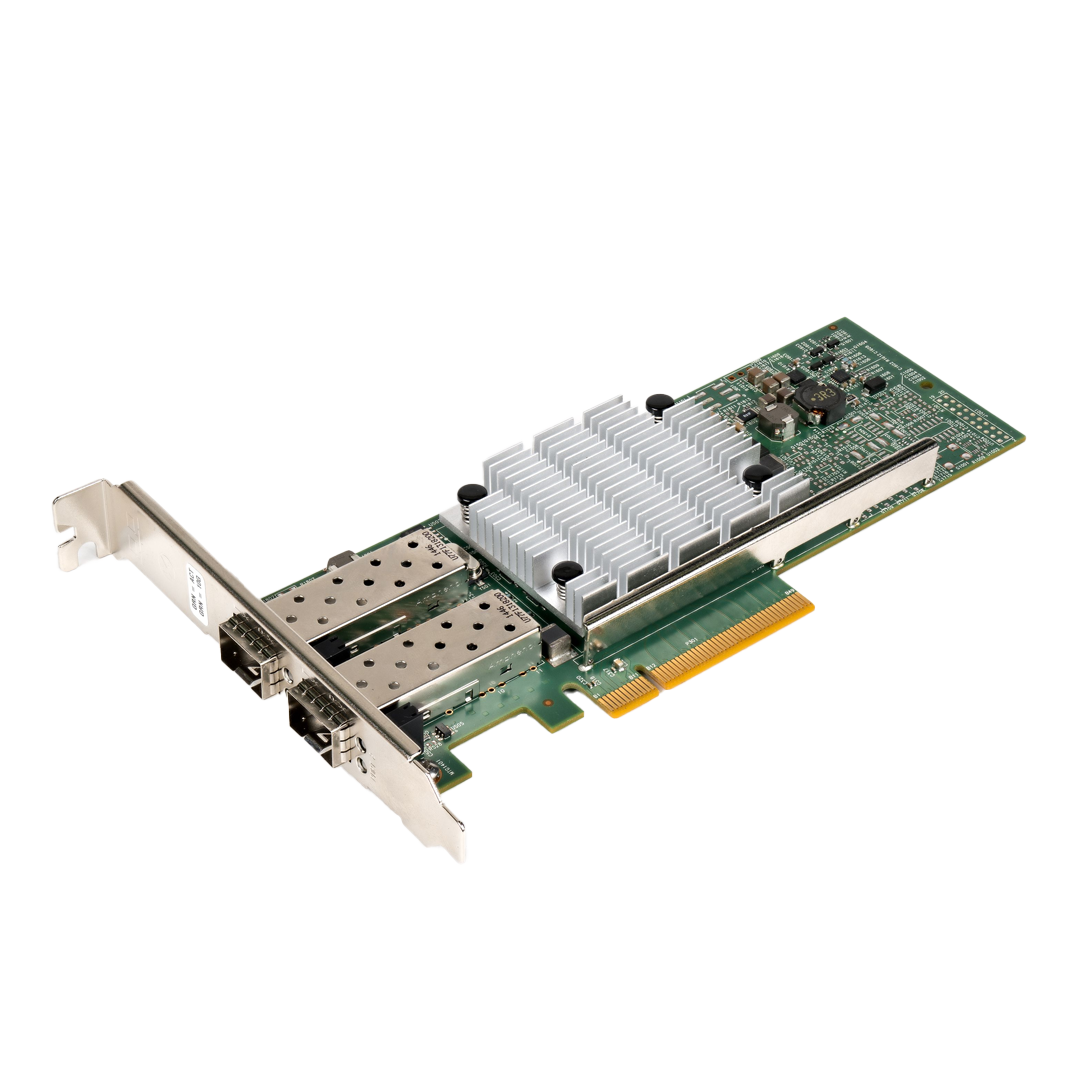
- Additional network cards
- RAID controller upgrades
- Expansion cards
- Increased processing requirements
Planning for future growth can help prevent expensive hardware replacements.
Server Brands to Consider for Office Use
Several manufacturers offer reliable server platforms suitable for different office environments.
Dell PowerEdge
Dell PowerEdge servers are available in both tower and rack configurations, making them suitable for offices ranging from small businesses to larger organizations.
HPE ProLiant
HPE ProLiant servers provide flexible configurations and enterprise management capabilities for a wide range of business applications.
Lenovo ThinkSystem
Lenovo ThinkSystem servers offer scalable hardware for businesses that need reliable performance and flexible expansion options.
Cisco UCS
Cisco UCS servers are particularly suitable for organizations that already use Cisco networking infrastructure and require integrated enterprise computing.
New or Used Server Hardware?
Businesses do not always need to purchase brand-new servers. Properly tested used enterprise servers can provide excellent performance at a lower initial cost.
When purchasing used equipment, check:
- CPU configuration
- RAM capacity
- Storage drives
- RAID controller
- Network cards
- Power supplies
- Drive bays
- Physical condition
- Testing and warranty availability
For businesses with limited budgets, used enterprise hardware can be a cost-effective way to build reliable office infrastructure.
Common Mistakes to Avoid
When learning How to Choose the Right Server for Your Office in 7 Steps, businesses should avoid selecting hardware based only on the lowest purchase price.
Common mistakes include:
Buying an Underpowered Server
Choosing insufficient CPU or RAM can result in poor performance as more employees and applications are added.
Ignoring Storage Growth
Businesses often underestimate how quickly documents, databases, backups, and media files can increase.
Forgetting Backup Requirements
A server failure without a proper backup strategy can result in significant data loss and downtime.
Not Planning for Expansion
A server with limited upgrade options may need to be replaced sooner than expected.
How to Choose the Right Server for Your Office in 7 Steps: Making the Right Investment
Following How to Choose the Right Server for Your Office in 7 Steps gives business owners and IT managers a clear framework for evaluating their infrastructure needs. By considering workloads, server type, CPU, RAM, storage, security, and future growth, businesses can select a solution that provides reliable performance without unnecessary costs.
The goal is not simply to purchase the most powerful server available. Instead, businesses should choose a configuration that provides the right balance between performance, reliability, scalability, and budget.
Businesses that understand How to Choose the Right Server for Your Office in 7 Steps can make better infrastructure decisions and avoid unnecessary upgrades. Evaluating performance, storage, security, and scalability ensures that the selected server remains useful as the office expands.
Conclusion
Understanding How to Choose the Right Server for Your Office in 7 Steps can make the purchasing process much easier. By identifying your workloads, selecting the right server form factor, evaluating CPU and memory requirements, planning storage, protecting your data, and preparing for future growth, you can build a reliable office IT environment.
Whether you choose a Dell PowerEdge tower server, an HPE ProLiant system, a Lenovo ThinkSystem platform, or another enterprise solution, the right server should meet your current requirements while providing enough flexibility to support your business as it grows.
Shop now
Sold out

Sold out
Sold out

Sold out
Sold out
Sold out
Related posts

VPN Firewall vs Standard Firewall: 7 Key Differences

Businesses need reliable network security to protect sensitive information, prevent unauthorized access, and maintain secure commu...
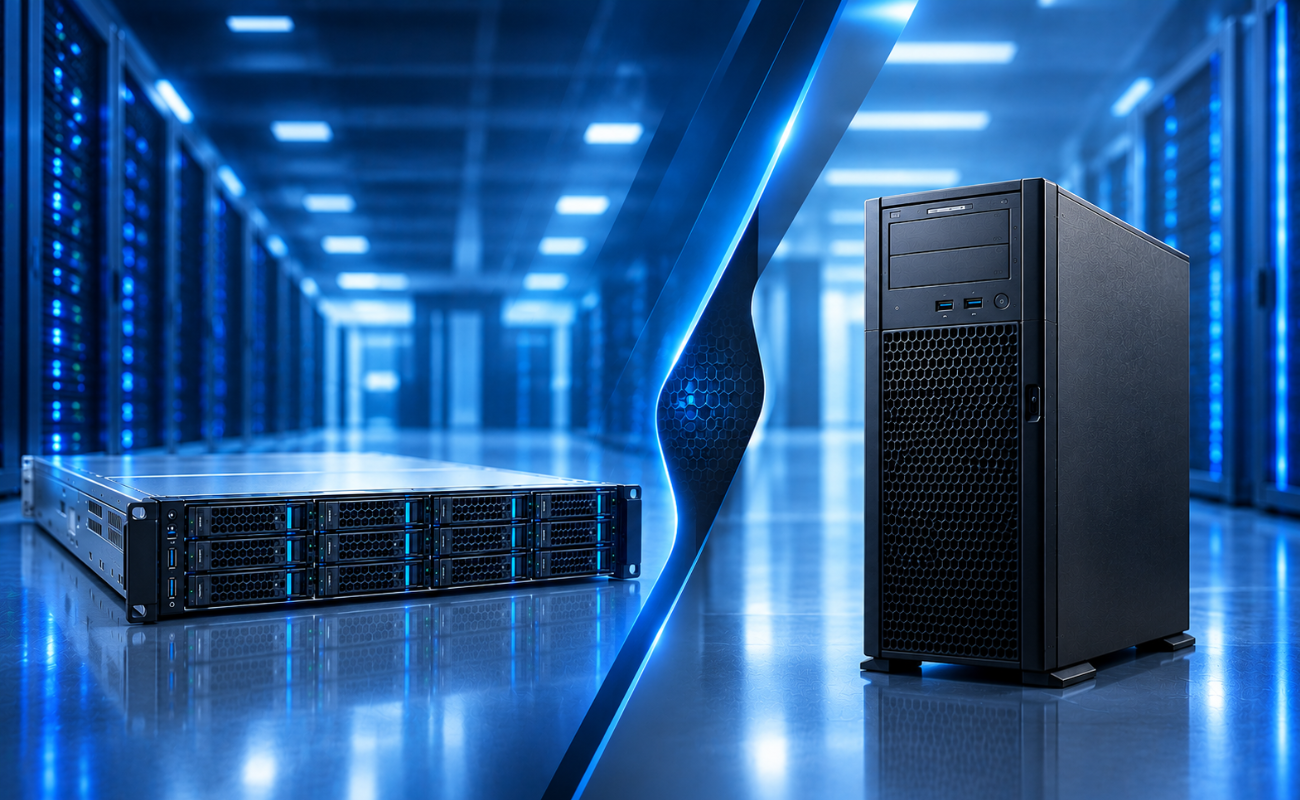
Rack Server vs Tower Server: 6 Key Differences Explained

Rack Server vs Tower Server: 6 Key Differences Explained
Choosing between a rack server and a tower server is an important decisi...
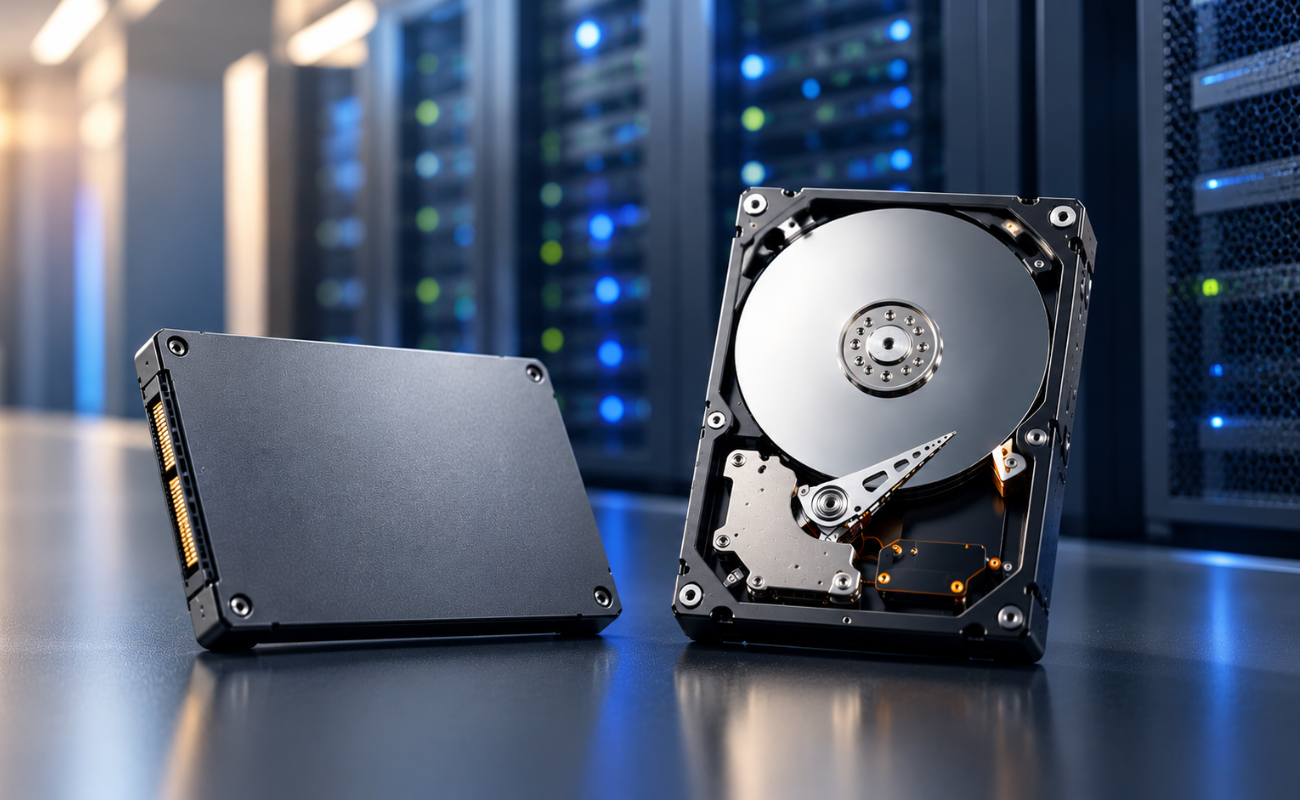
SSD vs HDD Storage: 8 Key Differences Every Business Should Know
SSD vs HDD Storage: 8 Key Differences Every Business Should Know
Choosing the right storage technology is essential for businesse...
Router Performance Explained: 7 Factors That Affect Your Internet Speed

Router performance plays a critical role in determining how efficiently a business network handles daily operations. From cloud-ba...
10 Router Security Features That Help Protect Business Networks
Business networks are constantly exposed to security risks, from unauthorized access and malicious traffic to compromised devices ...

Stateful Firewall vs Next-Generation Firewall: 8 Major Differences
Firewalls play a critical role in protecting business networks from unauthorized access, suspicious traffic, and cyber threats. Ho...

7 Firewall NGFW Types Compared for Business Network Security
Choosing the right NGFW firewall is an important part of protecting business networks fro...

11 Server Features Every IT Manager Should Look For
11 Server Features Every IT Manager Should Look For
Choosing the right server is an important decision for any organization. Serv...
Best RAM Options for Performance Workstations
Best RAM Options for Performance Workstations
Modern performance workstations are built for demanding workloads such as 3D render...

Dual-WAN vs Single-WAN Routers: 6 Key Differences Compared
Modern businesses rely heavily on stable Internet connectivity for cloud applications, communication, online platforms, remote acc...
Wi-Fi Router vs Wired Router: 8 Differences Every Business Should Know
Choosing the right networking equipment is an important decision for any business. As organizations become increasingly dependent ...

Storage Buying Guide: 7 Things to Consider Before You Choose
Storage Buying Guide: 7 Things to Consider Before You Choose
Modern businesses generate and manage large amounts of data every da...
