






























8 Server Features Every IT Manager Should Look For
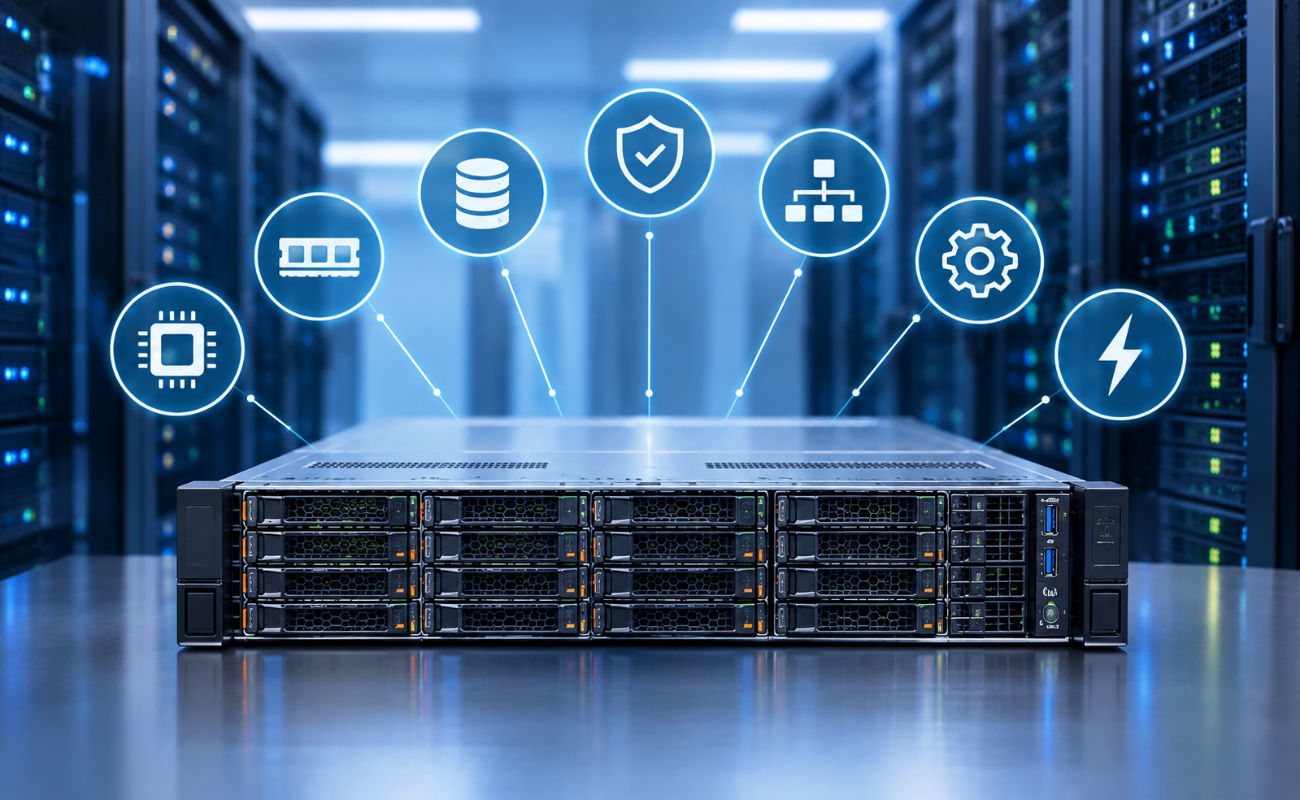
Modern businesses rely on servers to run applications, manage databases, store critical information, and support daily operations. Choosing the right server requires more than simply looking at processing power. IT managers need to evaluate performance, scalability, storage, security, and reliability before making a purchasing decision.
Understanding the 8 Server Features Every IT Manager Should Look For can help businesses select hardware that meets current requirements while remaining ready for future growth.
Why Choosing the Right Server Matters
A server is a long-term investment in your IT infrastructure. The wrong configuration can lead to slow performance, limited storage, frequent downtime, and unnecessary upgrade costs.
By focusing on the 8 Server Features Every IT Manager Should Look For, organizations can build a more reliable infrastructure that supports business applications and growing workloads.

1. Powerful Processor Performance
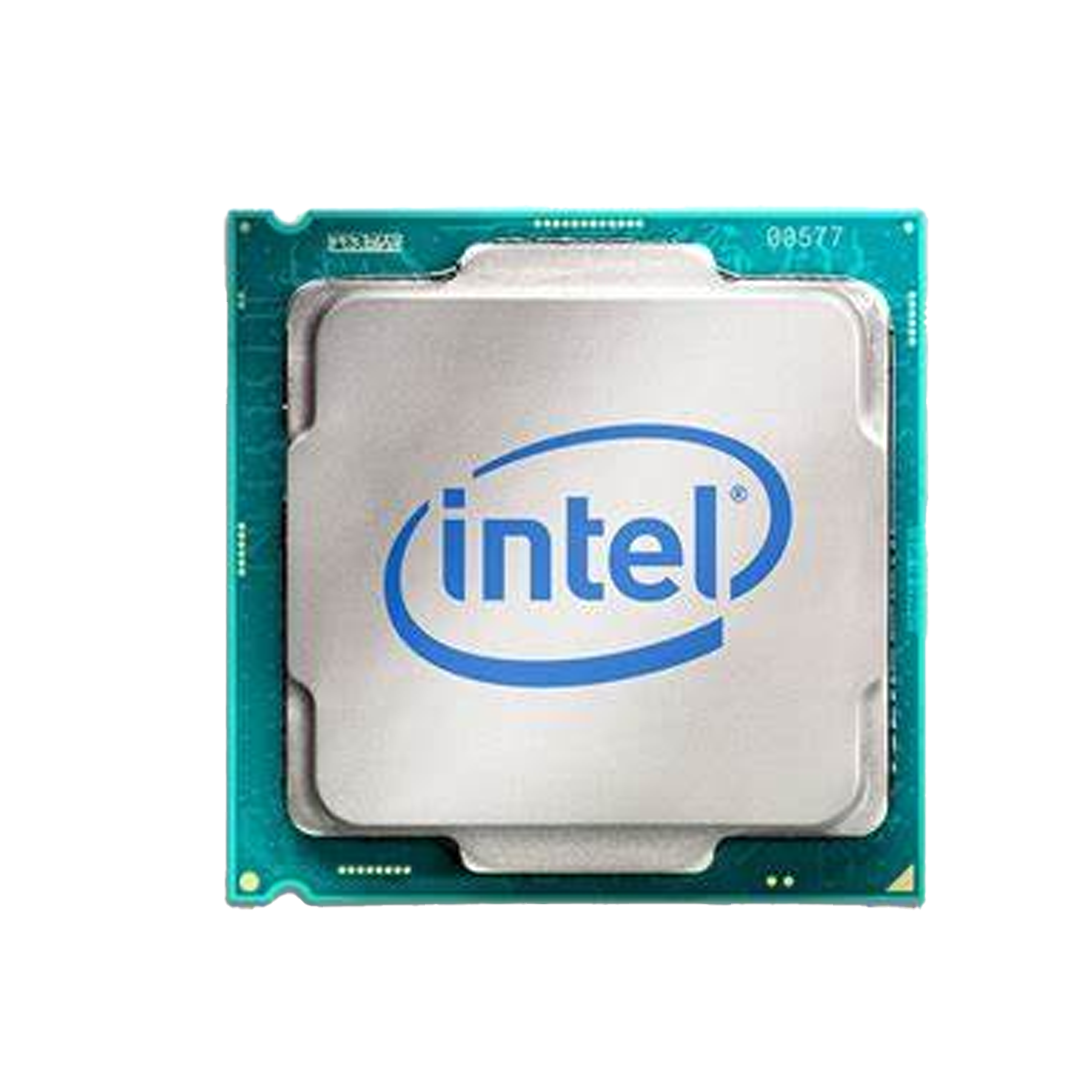
The CPU directly affects how quickly a server can process workloads. IT managers should consider the number of CPU cores, clock speed, processor generation, and support for multiple processors.
Servers with powerful CPUs are especially important for:
- Virtualization
- Databases
- Cloud applications
- AI and analytics
- High-performance computing
Choosing an appropriate processor ensures that applications can operate efficiently even as workloads increase.
2. Sufficient Memory Capacity
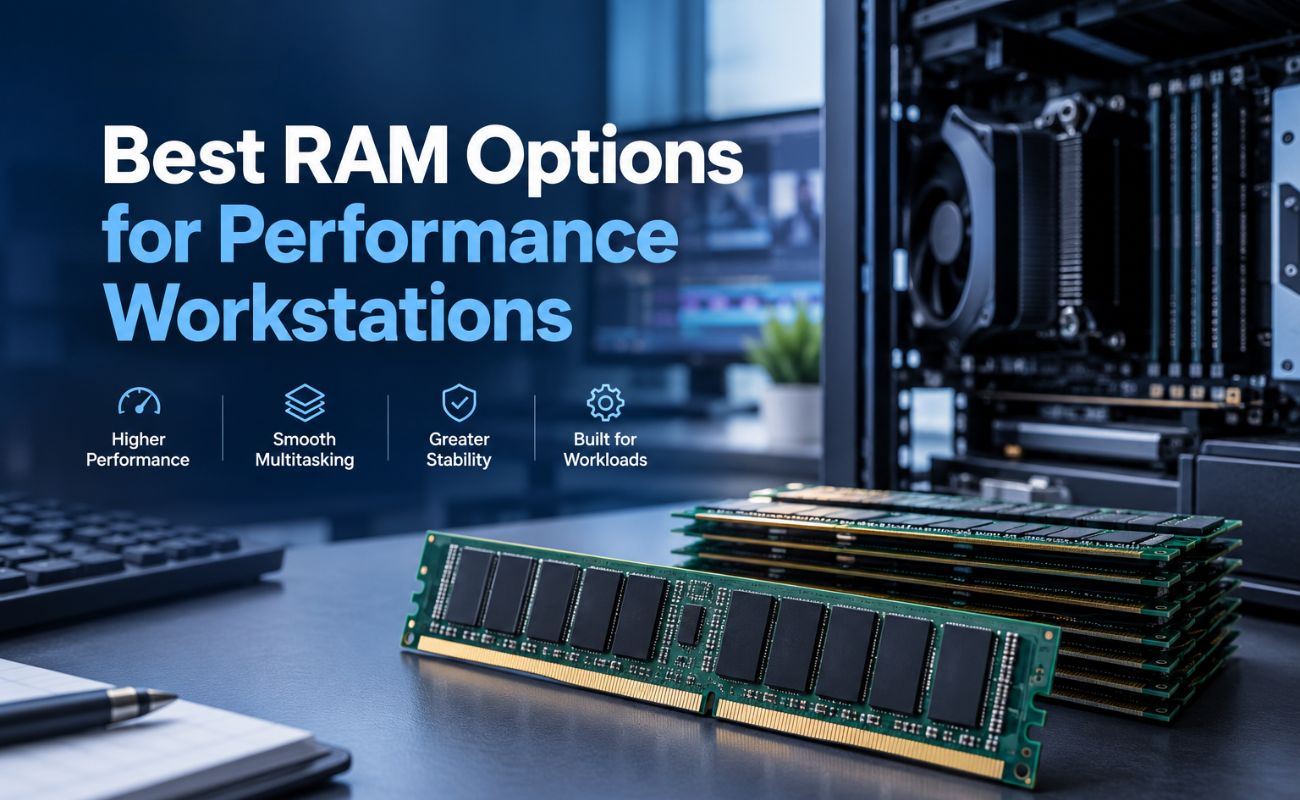
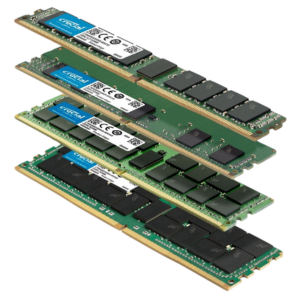
RAM plays an important role in server performance. Applications and virtual machines require sufficient memory to operate smoothly.
When evaluating the 8 Server Features Every IT Manager Should Look For, memory capacity should be a major consideration. Businesses should also check whether the server supports future RAM upgrades.
More expandable memory allows organizations to increase performance without replacing the entire server.
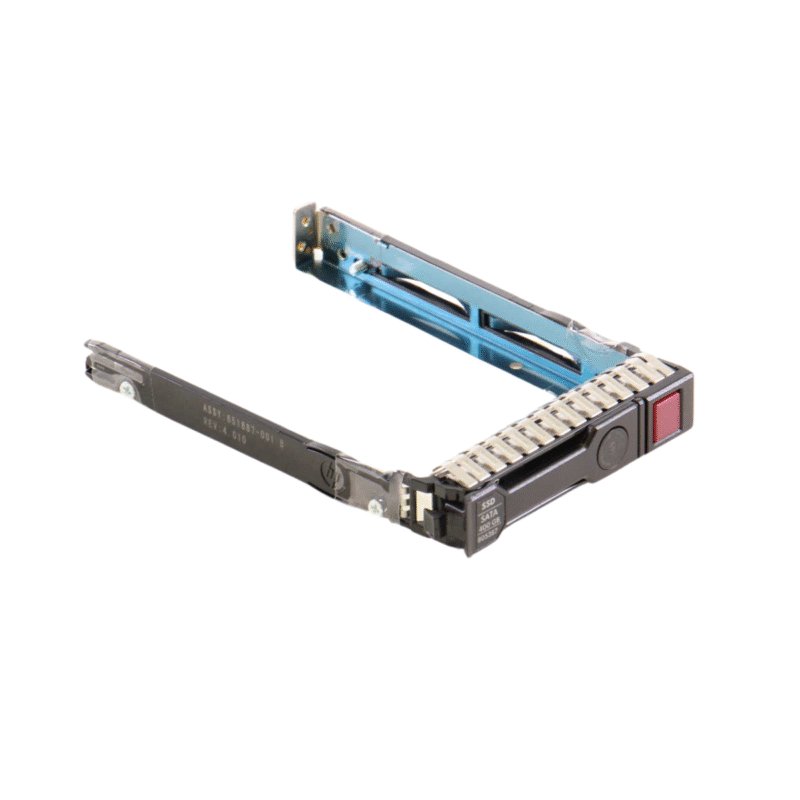
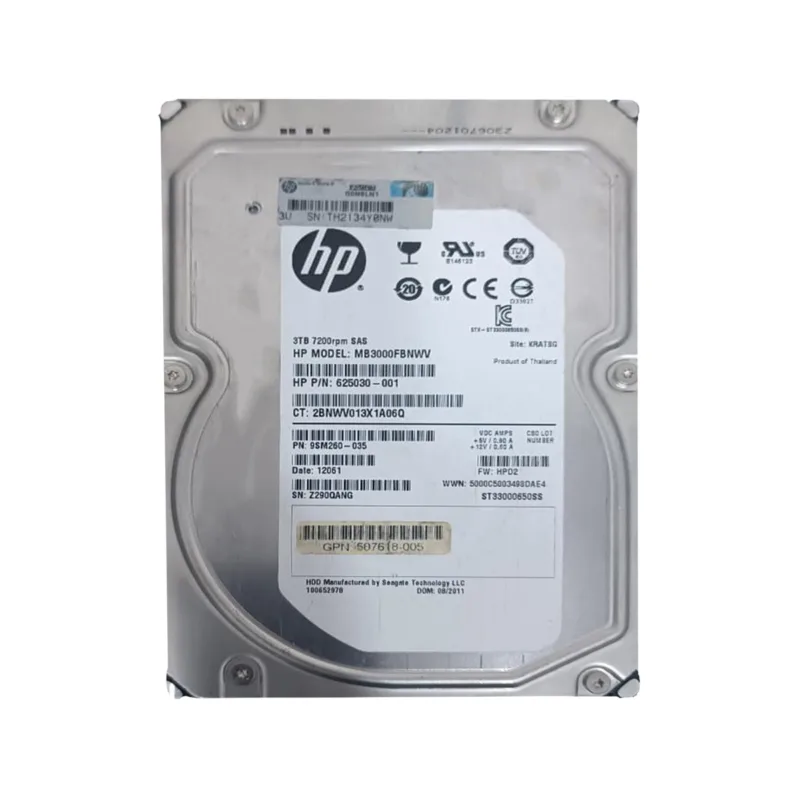
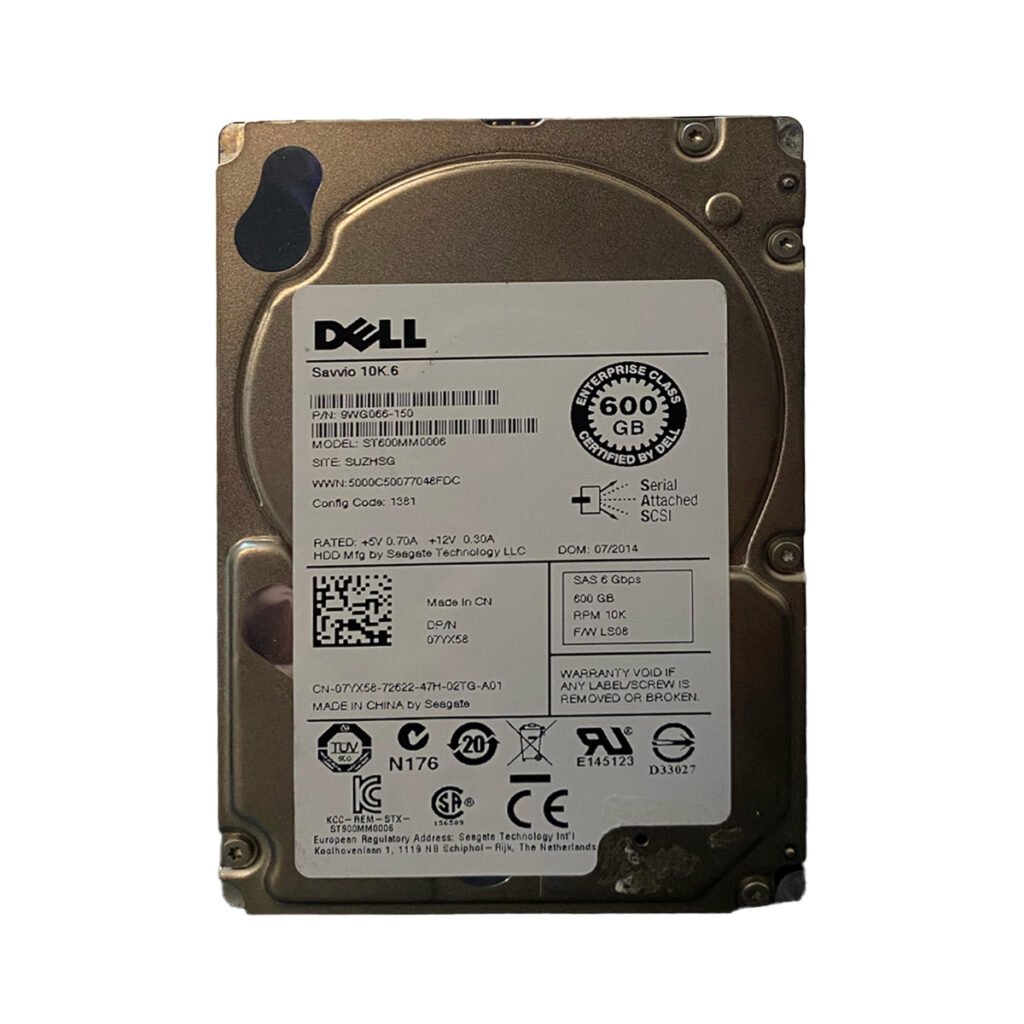
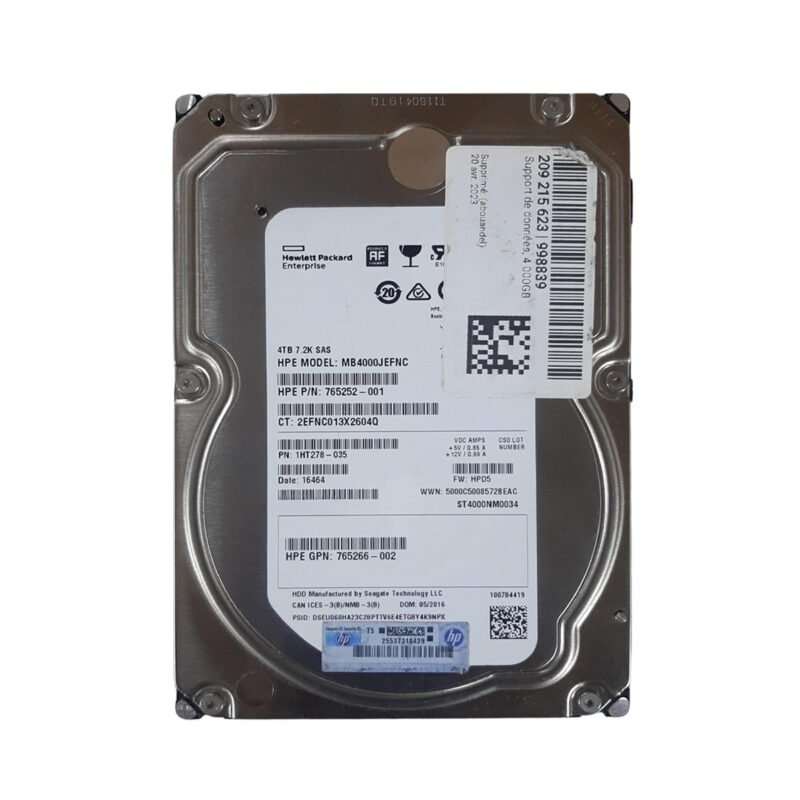
3. Flexible Storage Options
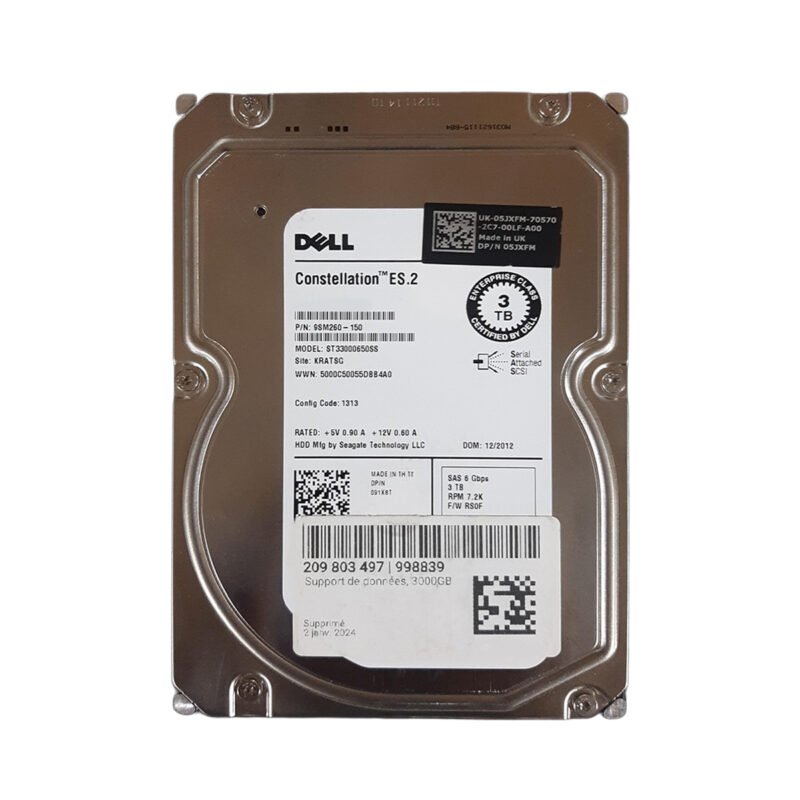
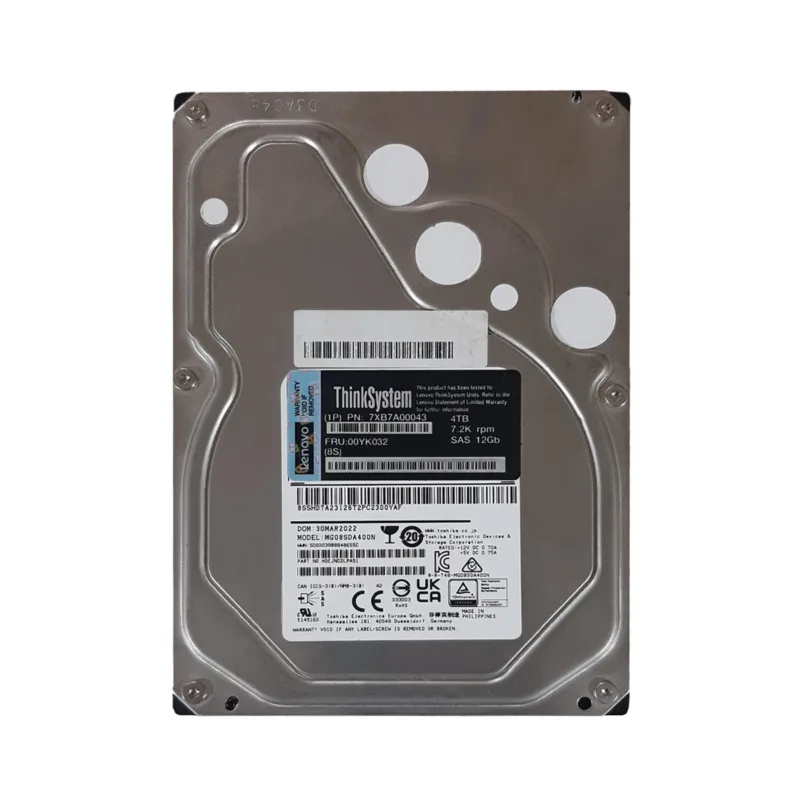
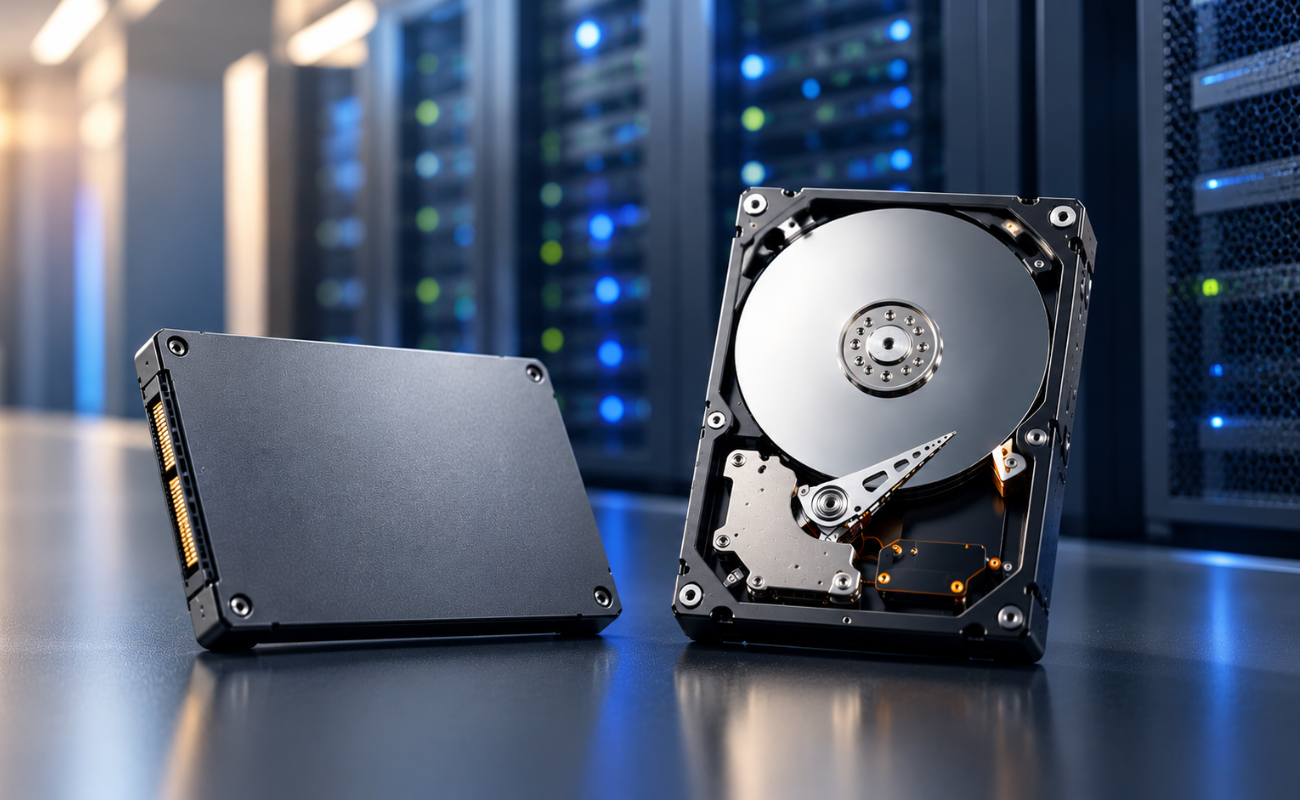
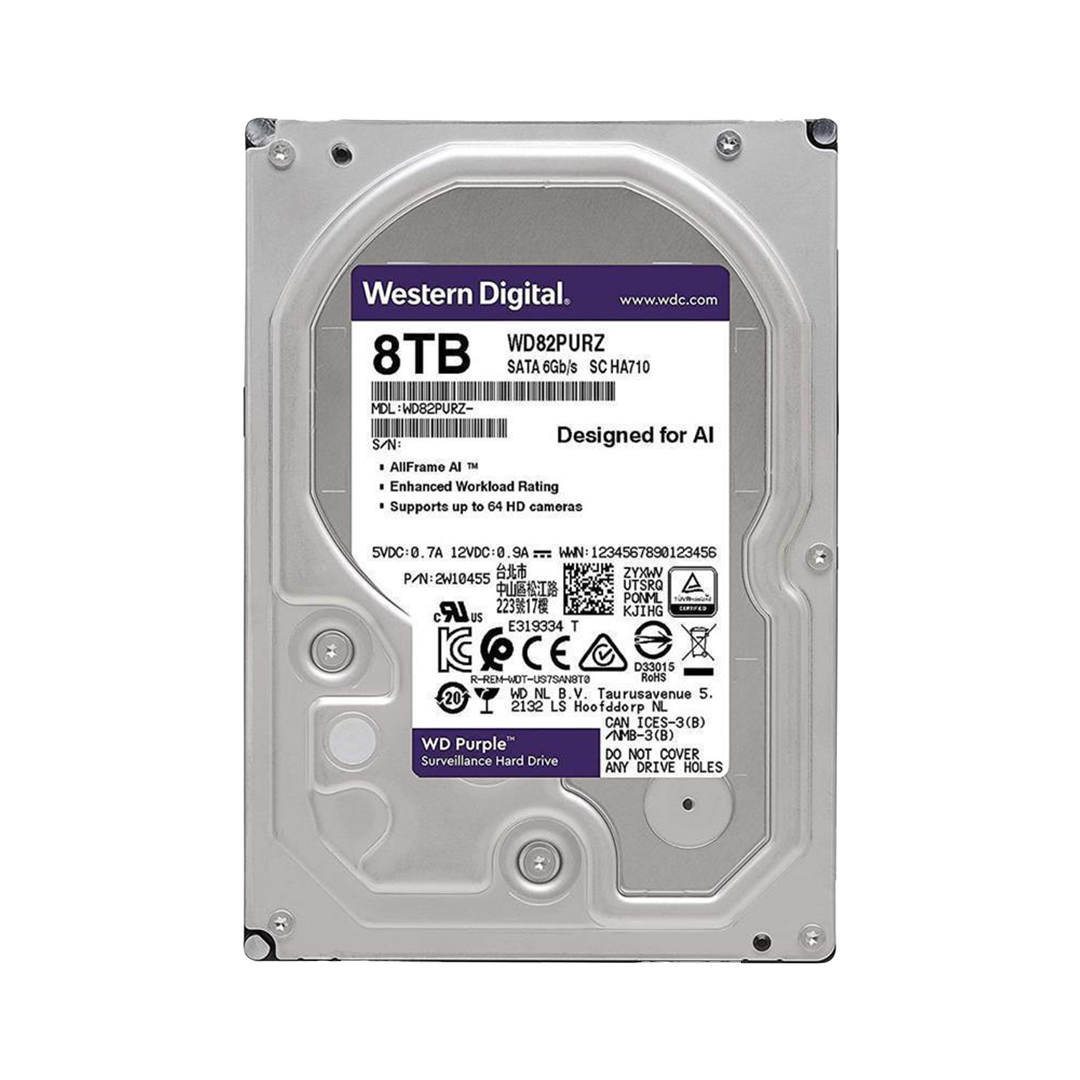
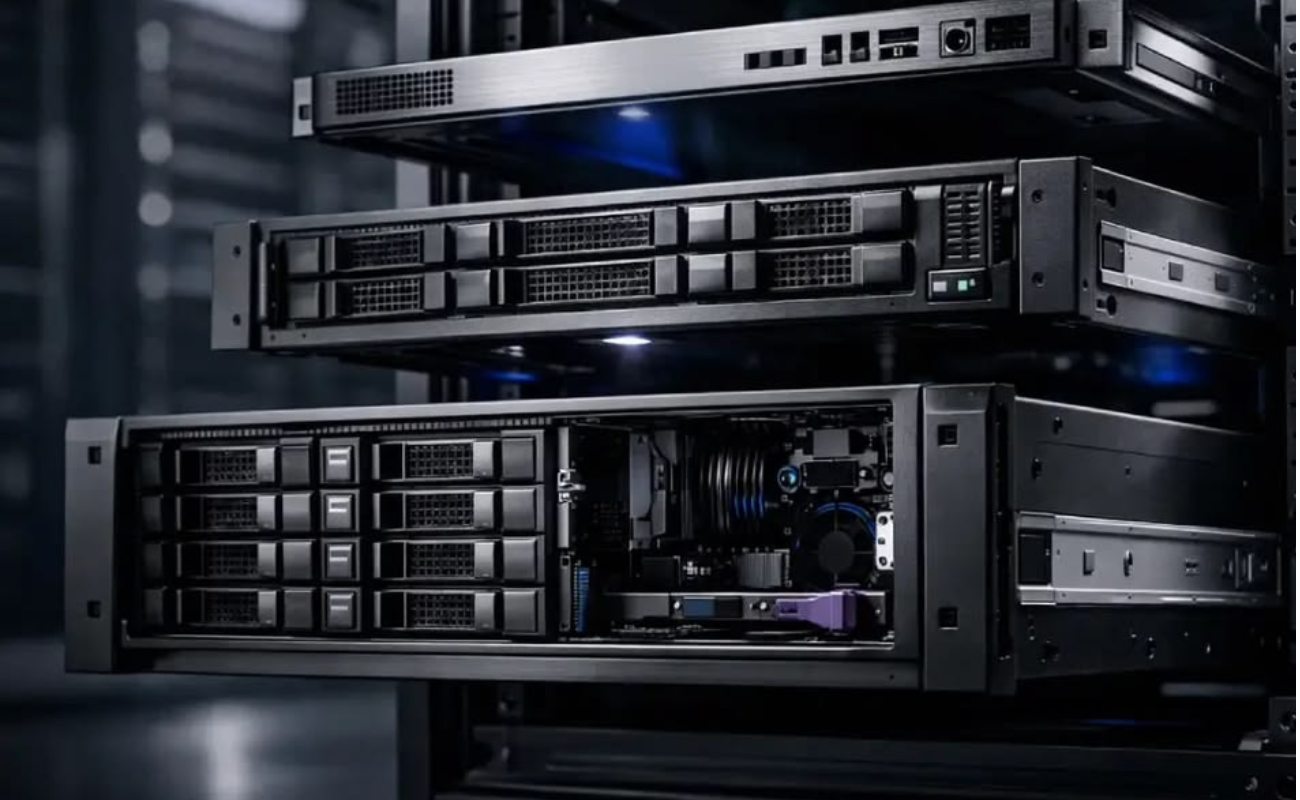
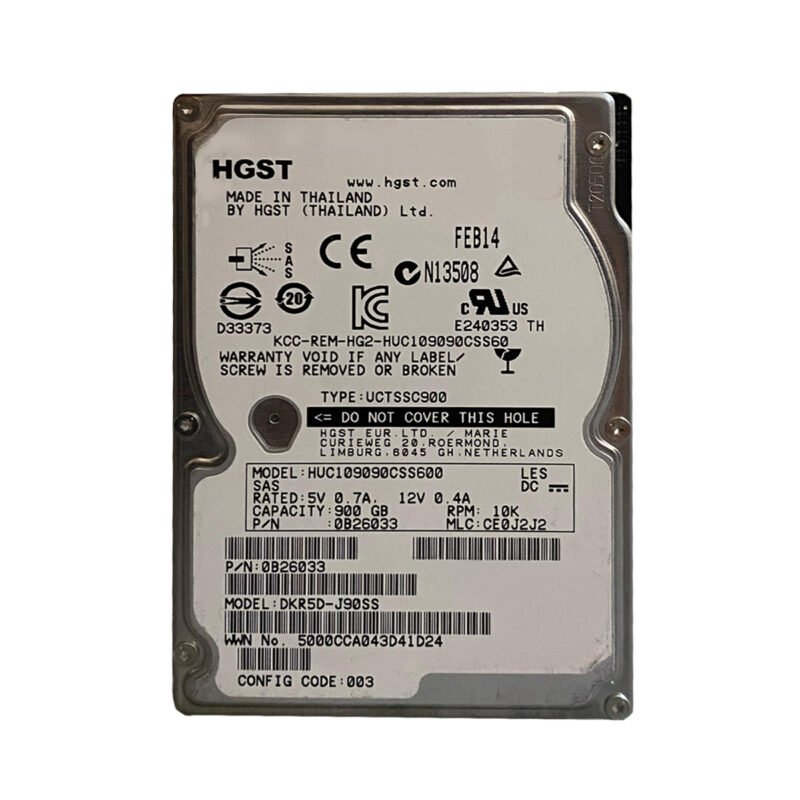
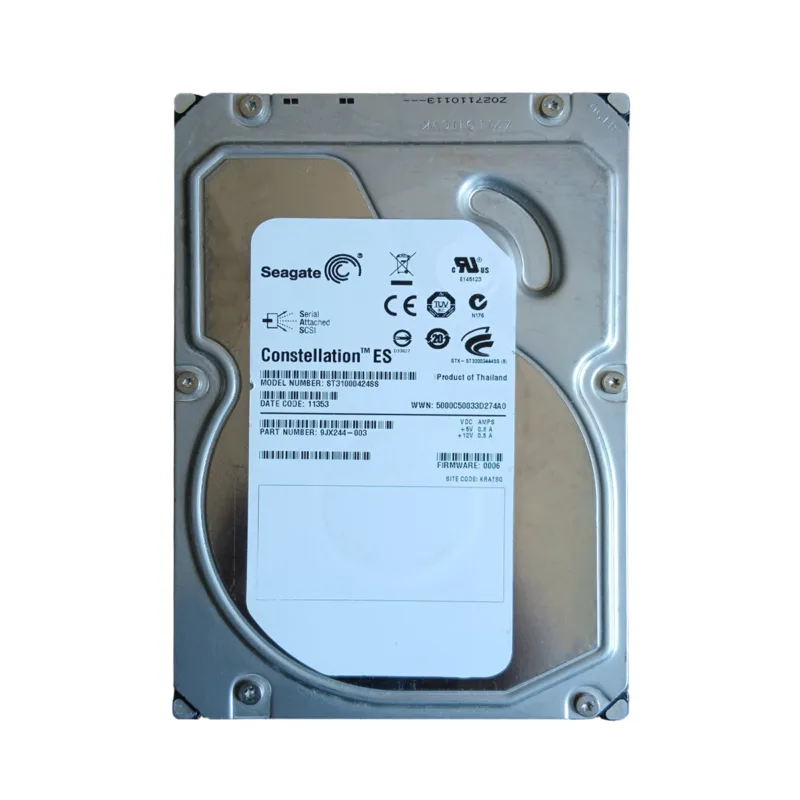
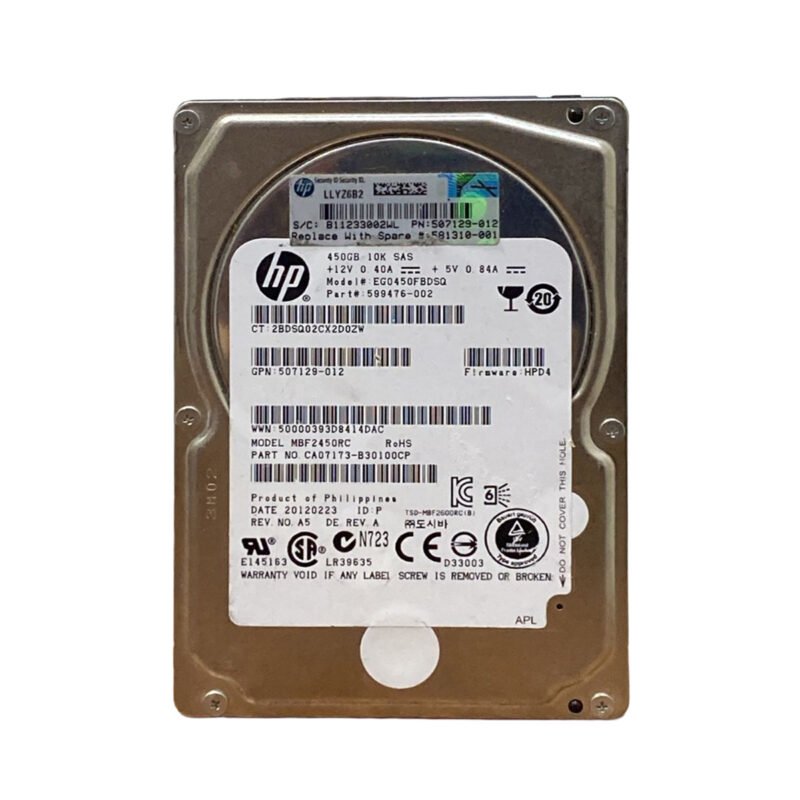
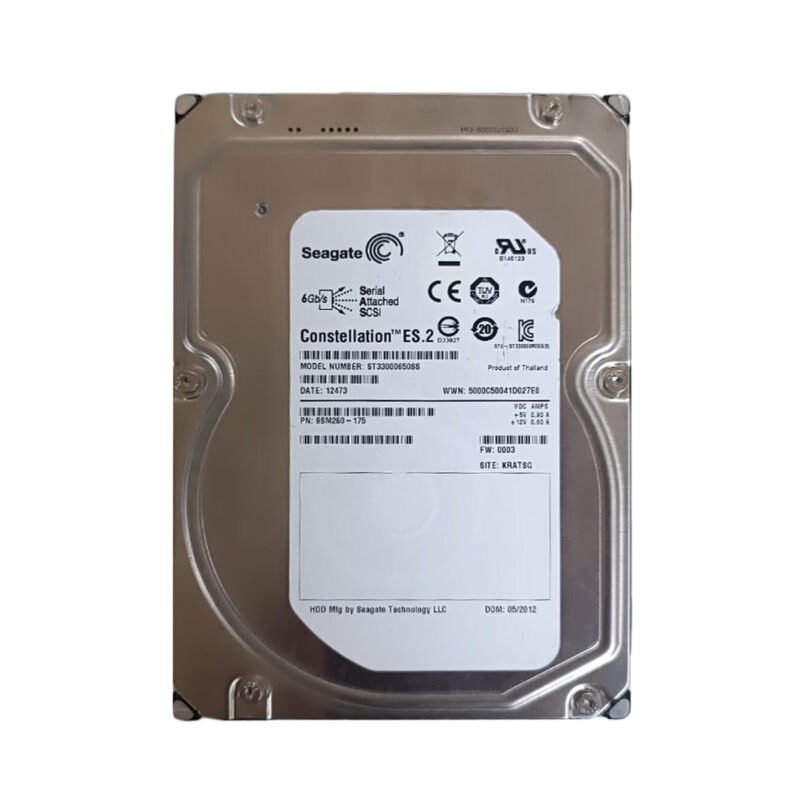
Storage requirements vary significantly between businesses. Some organizations need high-capacity HDDs, while others require fast SSD or NVMe storage.
IT managers should consider:
- Storage capacity
- HDD and SSD compatibility
- NVMe support
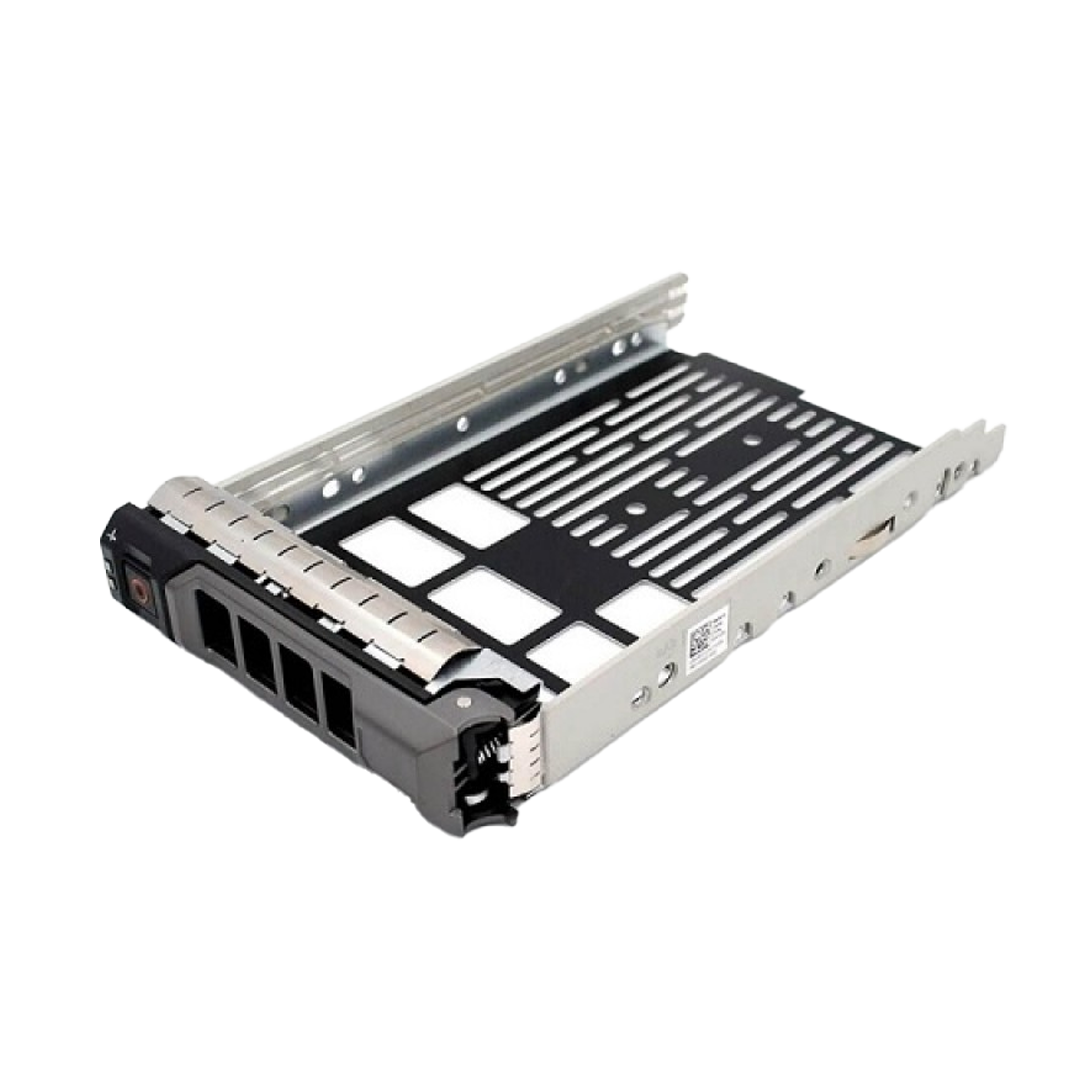
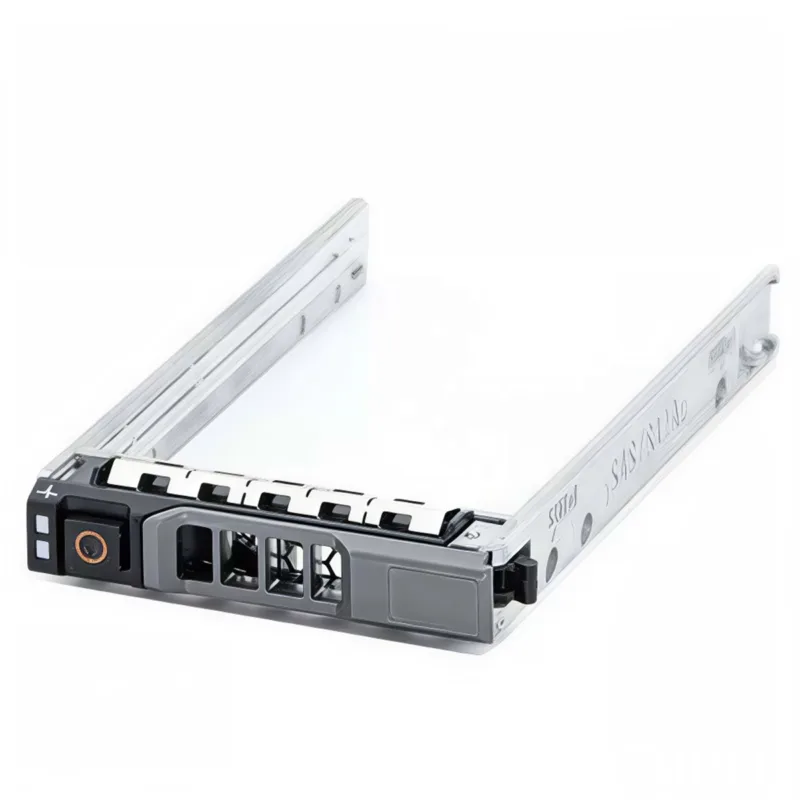
- Drive bay configuration
- RAID compatibility
- Storage expansion options
A flexible storage architecture makes it easier to adapt the server as data requirements increase.
4. RAID and Data Redundancy
Data availability is essential for business continuity. RAID technology can provide redundancy and help protect data against individual drive failures.
Common RAID configurations include:
- RAID 1 for mirroring
- RAID 5 for balanced performance and redundancy
- RAID 6 for additional fault tolerance
- RAID 10 for high performance and redundancy
For businesses managing critical applications and databases, RAID support is one of the most important 8 Server Features Every IT Manager Should Look For.
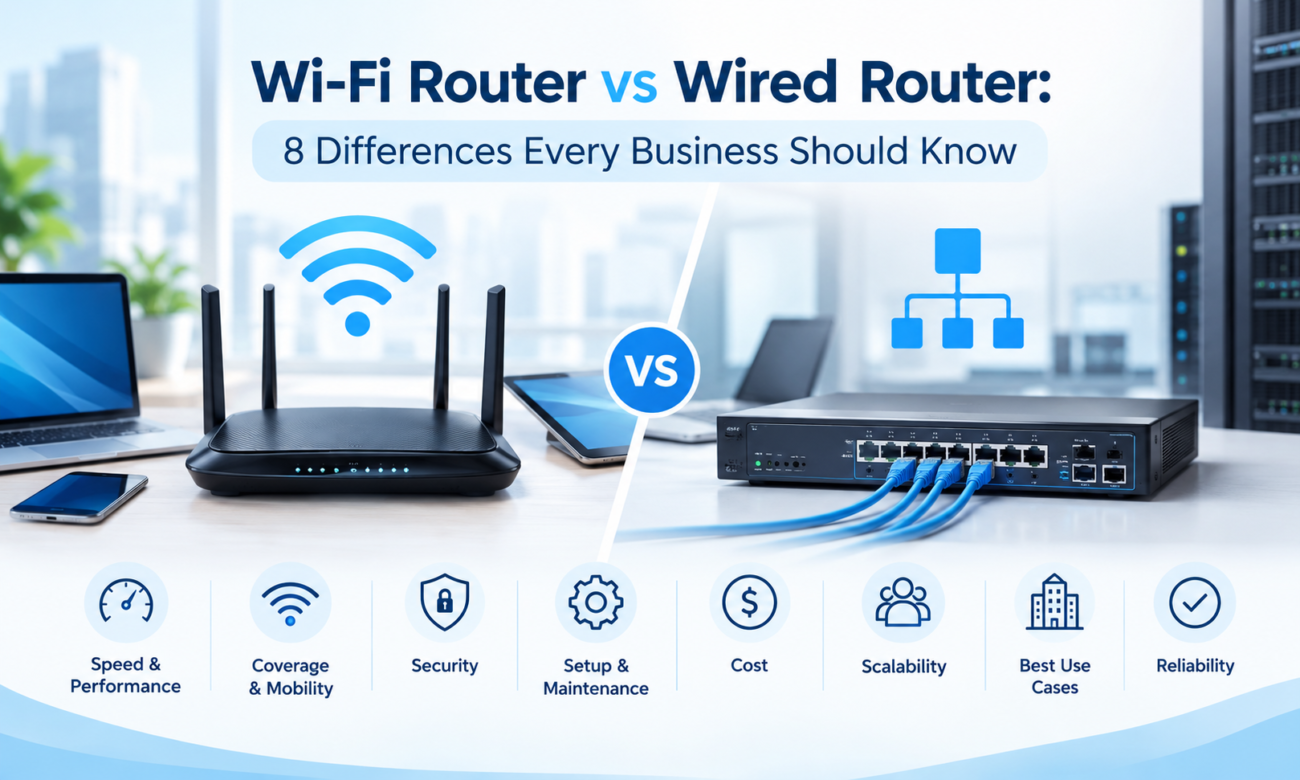
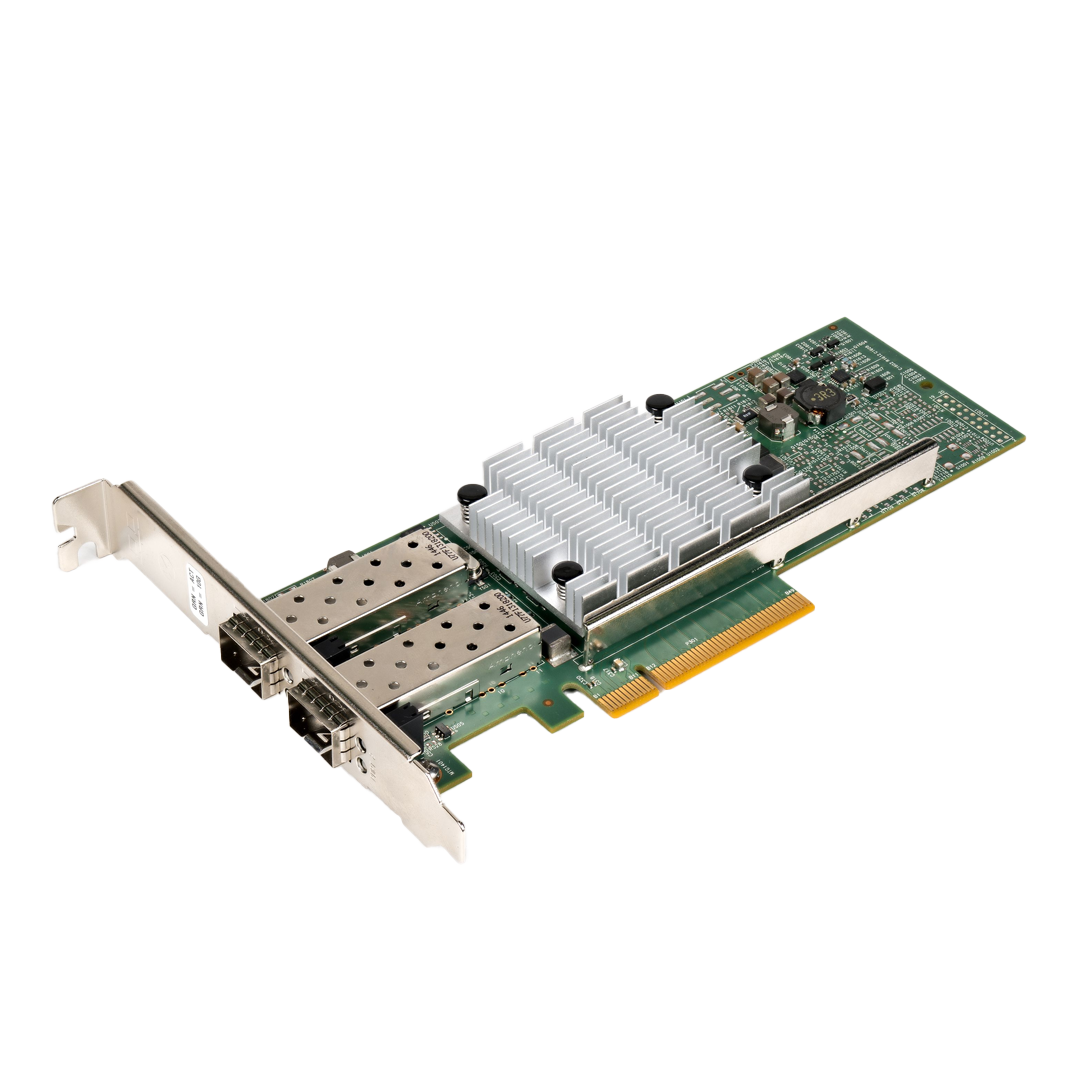
5. Network Connectivity
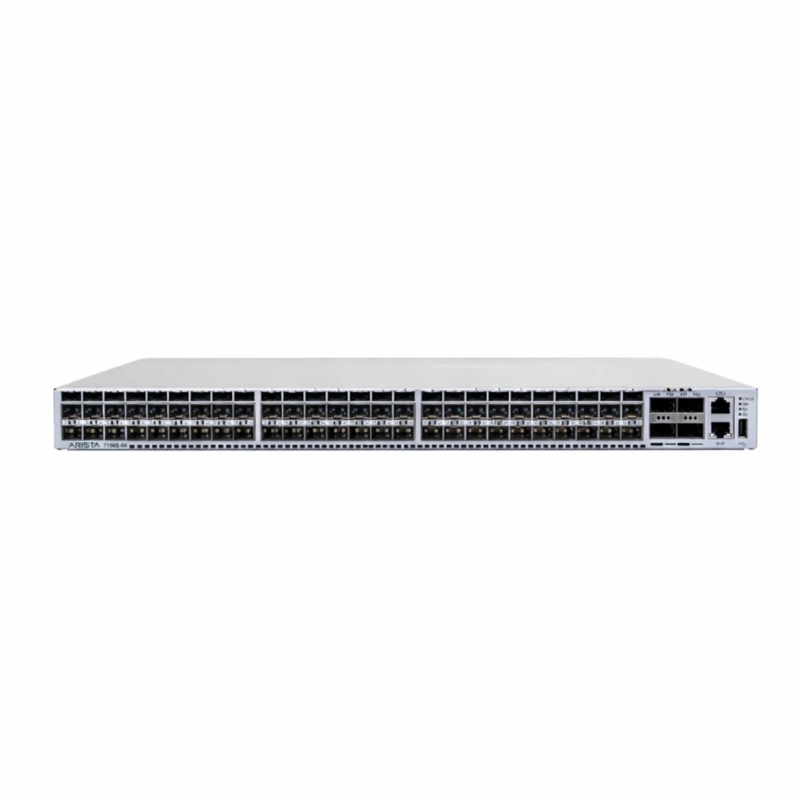
A server must be able to communicate efficiently with users, storage systems, and other infrastructure.
IT managers should evaluate available network interfaces and supported speeds, including:
- 1GbE
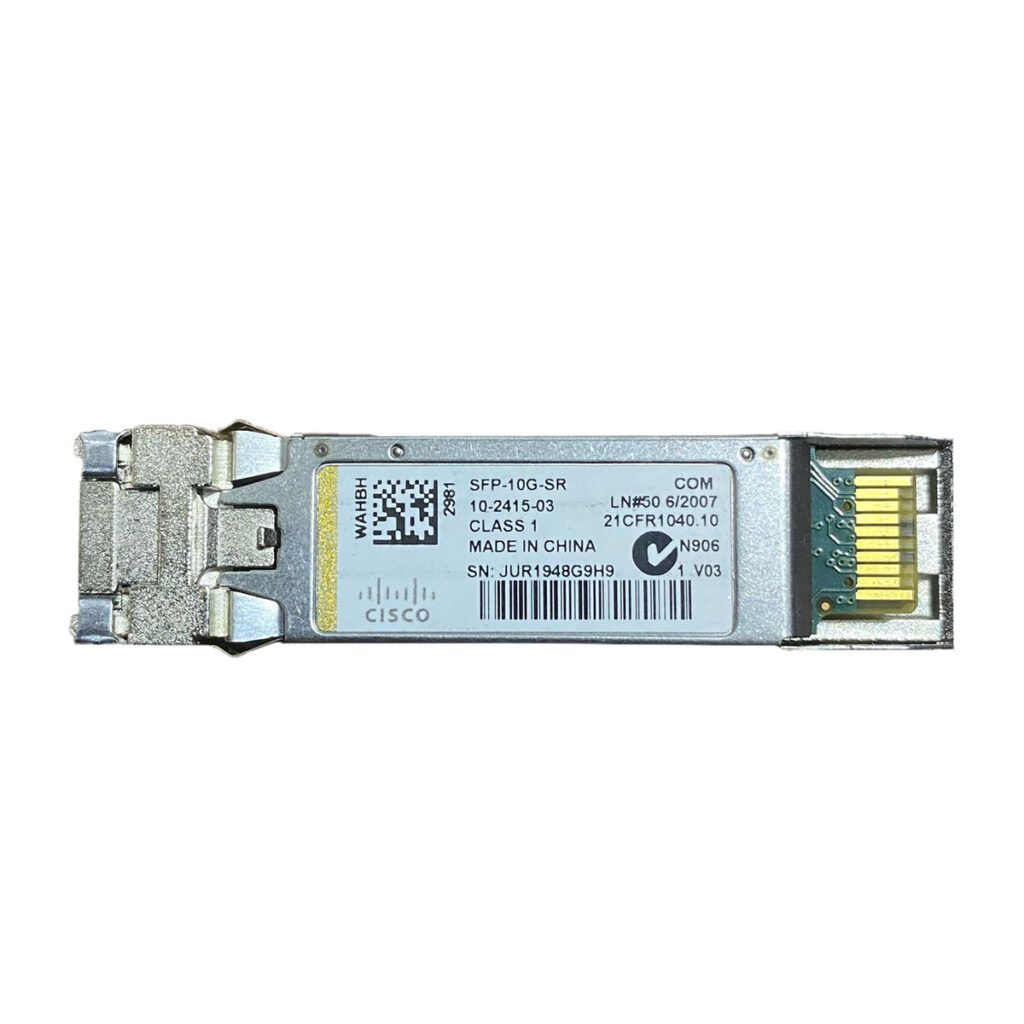
- 10GbE
- 25GbE
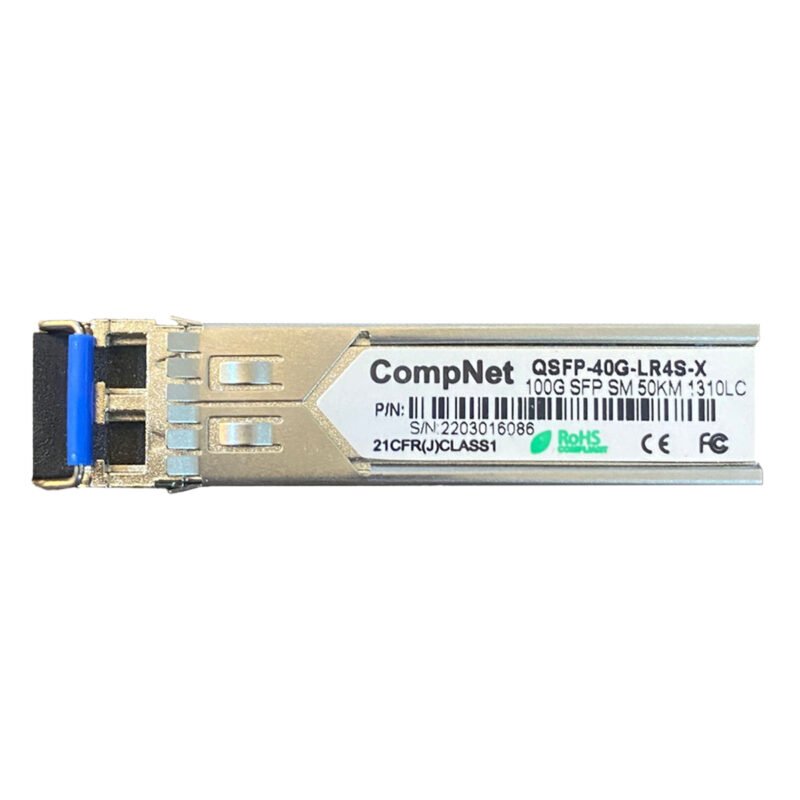
- 40GbE
- 100GbE
The right network configuration helps prevent bottlenecks and ensures that applications can access data quickly.
6. Scalability and Expansion
Business requirements change over time. A server that meets today’s requirements may not be sufficient several years from now.
Scalable servers allow organizations to upgrade:
- CPUs
- RAM
- Storage
- RAID controllers
- Network adapters
- Expansion cards
Considering scalability among the 8 Server Features Every IT Manager Should Look For helps businesses reduce future hardware replacement costs.
7. Remote Management and Monitoring
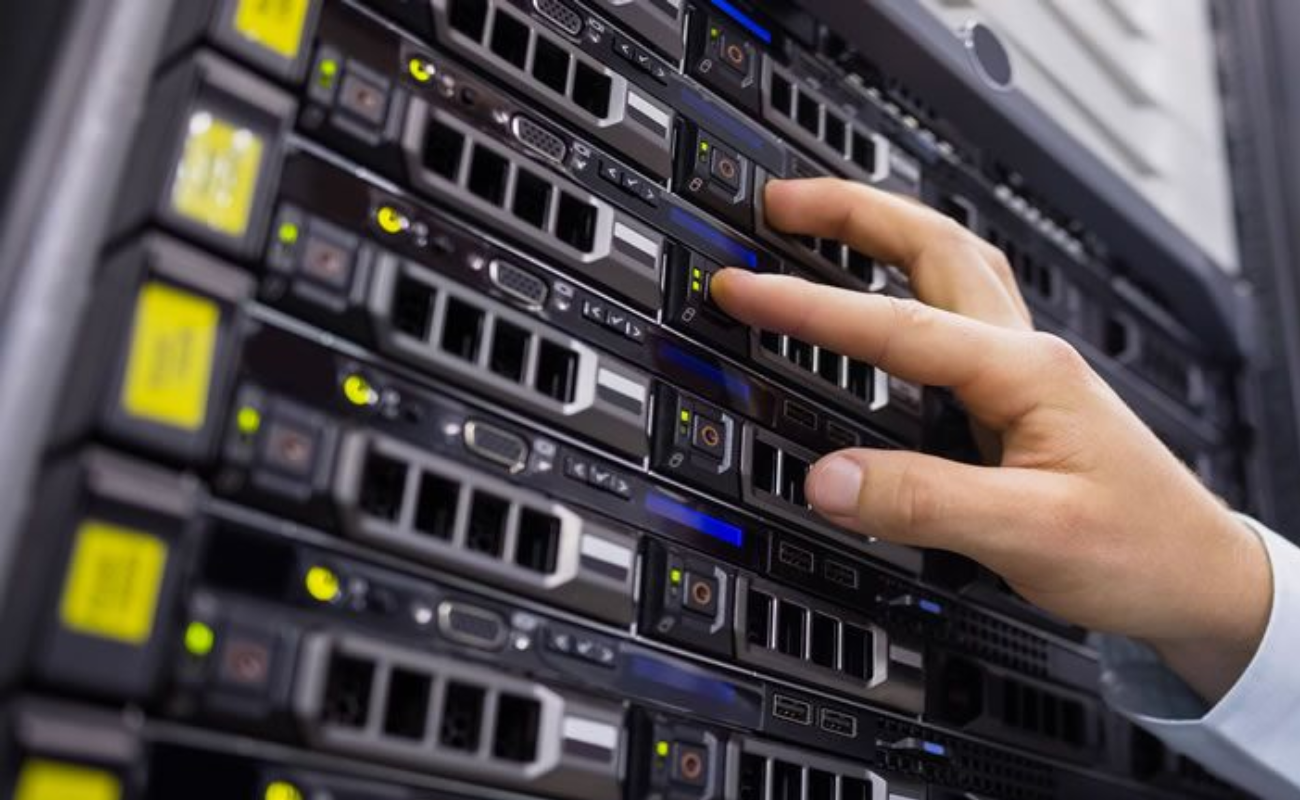
Enterprise servers often include remote management technologies that allow IT teams to monitor and control systems without physically accessing the hardware.
Features such as remote console access, hardware monitoring, system alerts, and remote power control can significantly simplify server administration.
These capabilities are particularly useful for businesses managing servers across multiple offices or data centers.
8. Security and Reliability
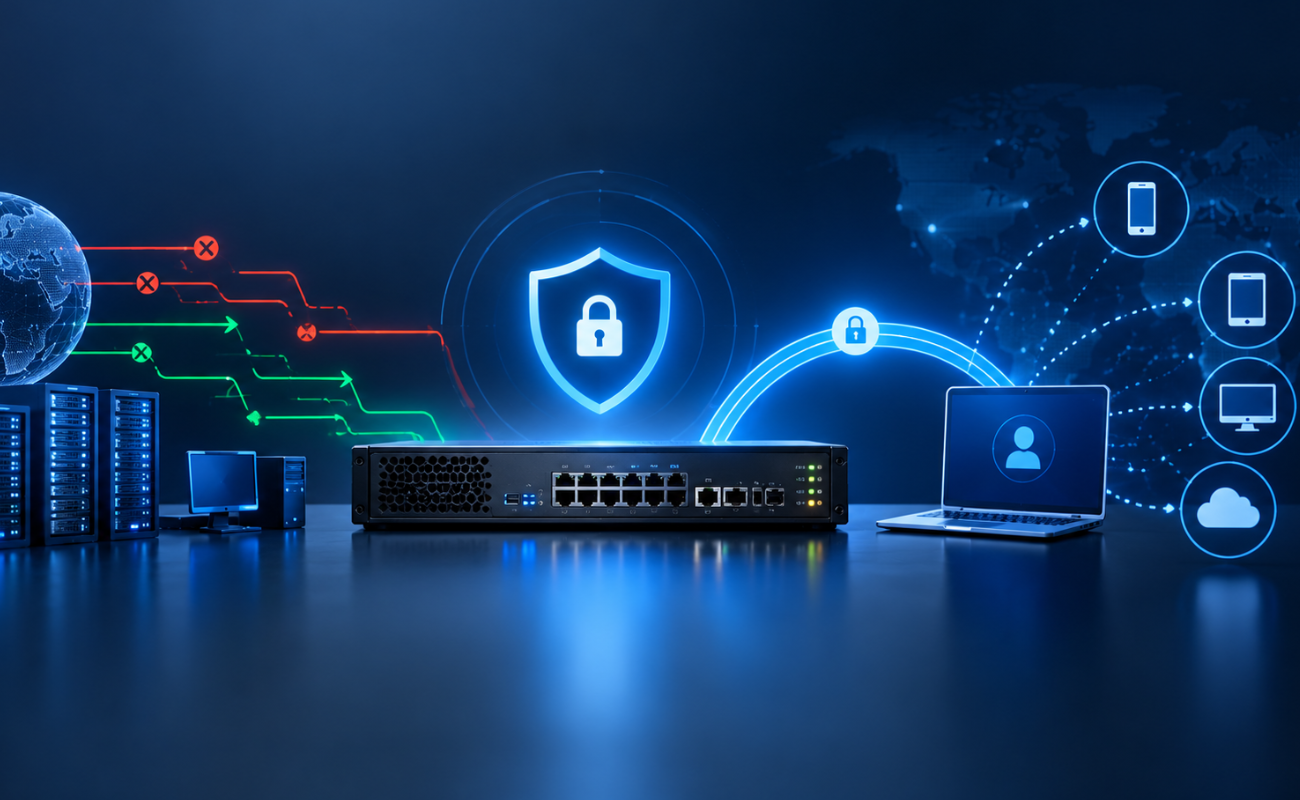
Security should always be a priority when selecting enterprise hardware. Modern servers can include secure boot technologies, firmware protection, access controls, and hardware-based security features.
Reliability is equally important. IT managers should look for servers with:
- Redundant power supplies
- Hot-swappable components
- Reliable cooling systems
- Error-correcting memory
- Hardware monitoring
- High-availability options
These capabilities help minimize downtime and protect critical business operations.
How to Choose the Right Server
The 8 Server Features Every IT Manager Should Look For should always be evaluated according to the organization’s workload and budget.
For example, a small business running file sharing and basic applications may not require the same configuration as an enterprise running hundreds of virtual machines.
Before purchasing a server, IT managers should determine:
- Current workload requirements
- Expected business growth
- Required storage capacity
- Network performance requirements
- Backup and disaster recovery needs
- Available upgrade options
- Security requirements
- Total cost of ownership
This approach helps businesses avoid both underpowered and unnecessarily expensive configurations.
Planning for Future IT Growth
When comparing enterprise hardware, the 8 Server Features Every IT Manager Should Look For provide a practical framework for making the right decision. Evaluating these features carefully helps organizations choose servers that can handle increasing workloads, support new technologies, and remain reliable as the business grows.
A future-ready server should provide enough performance and expansion capacity to adapt to changing business requirements without requiring frequent infrastructure replacements.
Conclusion
Understanding the 8 Server Features Every IT Manager Should Look For makes it easier to choose reliable and scalable infrastructure. Processor performance, memory, storage, RAID, networking, expansion capabilities, remote management, and security all contribute to a server’s overall value.
The right server should not only handle today’s workloads but also provide enough flexibility to support future growth. By carefully evaluating these features, IT managers can build a more efficient, secure, and reliable infrastructure while maximizing their hardware investment.