






























Introduction
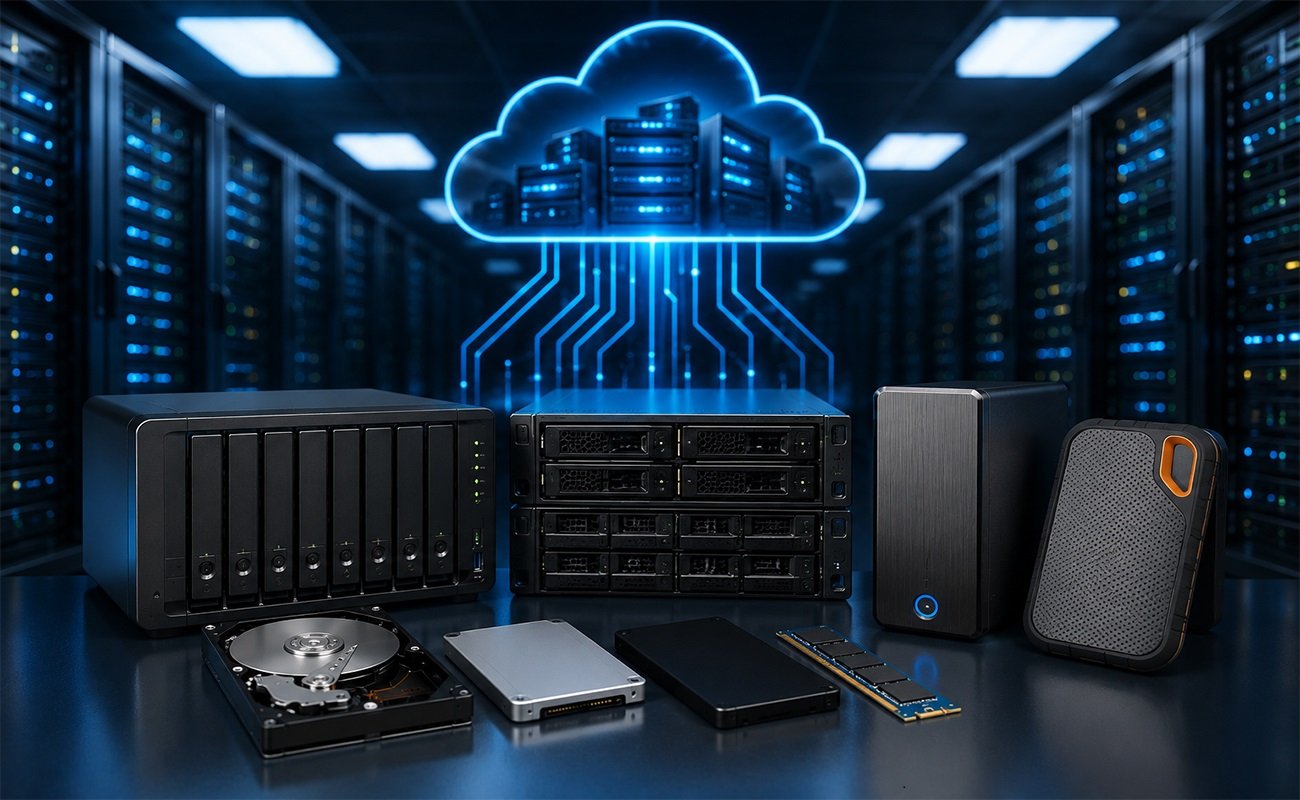
Data has become one of the most Powerful valuable assets for businesses across every industry. From customer information and financial records to cloud applications and business analytics, organizations generate and process enormous volumes of data every day. As digital transformation accelerates, modern data centers must be equipped with storage solutions capable of handling increasing workloads while maintaining performance, reliability, and security.

Powerful Traditional storage approaches are no longer sufficient for today’s demanding environments. Businesses require scalable storage infrastructures that support virtualization, cloud computing, artificial intelligence, big data analytics, and disaster recovery strategies.
The right storage solution can significantly improve operational efficiency, reduce downtime, enhance cybersecurity, and support future business growth.

This guide explores six powerful storage solutions that help modern data centers meet the challenges of managing and protecting critical business data.
1. Storage Area Network (SAN)


A Storage Area Network (SAN) is one of the most Powerful widely used storage solutions in enterprise data centers. SAN technology provides block-level storage access and creates a dedicated high-speed network specifically designed for storage traffic.
Unlike traditional storage methods, SAN systems separate storage from application servers, allowing multiple servers to access shared storage resources efficiently.
Benefits of SAN Storage
- High-speed performance
- Low latency
- Centralized storage management
- Improved scalability
- Enhanced data availability
Ideal Use Cases
- Enterprise databases
- Virtualized environments
- Mission-critical applications
- Large-scale data processing
- Financial systems
Organizations requiring maximum performance and reliability often rely on SAN architectures to support demanding workloads.
2. Network Attached Storage (NAS)


Network Attached Storage (NAS) provides centralized file-level storage accessible across a network. NAS solutions are popular because they offer simplicity, flexibility, and cost-effective scalability.
Modern NAS systems support collaboration, file sharing, backup operations, and remote access while reducing administrative complexity.
Advantages of NAS
- Easy deployment
- Centralized file access
- Remote accessibility
- Simplified management
- Cost-effective expansion
Common Applications
- Shared file storage
- Departmental collaboration
- Backup repositories
- Multimedia storage
- Remote workforce support
For businesses seeking efficient file storage and collaboration capabilities, NAS remains a highly practical solution.
3. All-Flash Storage Arrays

All-flash storage arrays use solid-state drives exclusively, delivering significantly faster performance than traditional hard disk-based systems.
As organizations demand quicker access to data, flash storage has become increasingly popular in modern data centers.
Key Benefits
- Extremely fast data access
- Reduced latency
- Improved application performance
- Lower power consumption
- Greater reliability
Best For
- Virtual desktop infrastructure (VDI)
- Database workloads
- Cloud applications
- Real-time analytics
- High-performance computing
Businesses prioritizing speed and responsiveness often choose all-flash storage solutions to accelerate critical workloads.
4. Hybrid Storage Systems


Hybrid storage combines the speed of SSDs with the capacity and affordability of traditional hard drives.
This balanced approach allows organizations to optimize performance while controlling storage costs.
Advantages
- Cost-effective performance
- Flexible scalability
- Intelligent data tiering
- Large storage capacity
- Improved efficiency
Why Businesses Choose Powerful Hybrid Storage
Hybrid systems automatically place frequently accessed data on faster SSDs while storing less active information on HDDs.
This approach helps organizations achieve excellent performance without the expense of fully flash-based environments.
5. Cloud Storage Solutions

Cloud storage has transformed how businesses manage and access data.
Rather than relying solely on on-premises infrastructure, organizations can leverage cloud platforms for scalable and flexible storage.
Benefits
- Virtually unlimited scalability
- Reduced hardware investments
- Global accessibility
- Enhanced disaster recovery
- Flexible resource allocation
Common Uses
- Backup and recovery
- Long-term archiving
- Remote collaboration
- Cloud-native applications
- Hybrid infrastructure
Many modern data centers integrate cloud storage into broader hybrid strategies that combine local and cloud resources.
6. Object Storage Systems

Object storage has emerged as a powerful solution for managing massive amounts of unstructured data.
Instead of organizing information into files and folders, object storage stores data as individual objects with associated metadata.
Key Advantages
- Massive scalability
- Cost-efficient storage
- Metadata-rich architecture
- Simplified management
- Cloud compatibility
Ideal Workloads
- Backup repositories
- Multimedia archives
- AI datasets
- Big data environments
- Cloud applications
As organizations generate larger volumes of unstructured information, object storage continues gaining popularity across modern data centers.
Why Modern Data Centers Need Powerful Advanced Storage Solutions
- Digital transformation initiatives
- Cloud adoption
- Artificial intelligence workloads
- Big data analytics
- Remote work environments
- Business continuity requirements
Advanced storage solutions help organizations address these challenges by providing:
Improved Performance
Faster storage reduces application delays and enhances user experiences.
Greater Scalability
Organizations can expand storage capacity as data volumes grow.
Enhanced Reliability
Redundant architectures minimize downtime and data loss risks.
Stronger Data Protection
Modern storage platforms include encryption, snapshots, replication, and backup capabilities.
Better Operational Efficiency
Centralized management simplifies administration and reduces complexity.
How to Choose the Right Storage Solution


When evaluating storage solutions, organizations should consider several factors:
Powerful Performance Requirements
Determine whether applications require ultra-fast response times.
Capacity Needs
Estimate current and future storage growth.
Budget Constraints
Balance performance goals with available resources.
Security Requirements
Protect sensitive business information through encryption and access controls.
Scalability
Choose solutions capable of supporting long-term growth.
Disaster Recovery
Ensure data can be recovered quickly in the event of outages or cyber incidents.
Conclusion
Powerful modern data centers require storage solutions that can support growing data volumes, increasing performance demands, and evolving business requirements. SAN, NAS, all-flash arrays, hybrid storage systems, cloud storage, and object storage each provide unique advantages that help organizations build efficient and resilient infrastructures.
By selecting the right combination of storage technologies, businesses can improve performance, enhance data protection, reduce operational complexity, and prepare for future growth.
As digital transformation continues to accelerate, investing in powerful storage solutions remains one of the most important decisions organizations can make for long-term success.
Shop now
Sold out

Sold out
Sold out

Sold out
Sold out
Sold out
Related posts
10 Router Security Features That Help Protect Business Networks

Business networks are constantly exposed to security risks, from unauthorized access and malicious traffic to compromised devices ...

Stateful Firewall vs Next-Generation Firewall: 8 Major Differences

Firewalls play a critical role in protecting business networks from unauthorized access, suspicious traffic, and cyber threats. Ho...

7 Firewall NGFW Types Compared for Business Network Security
Choosing the right NGFW firewall is an important part of protecting business networks fro...
11 Server Features Every IT Manager Should Look For

11 Server Features Every IT Manager Should Look For
Choosing the right server is an important decision for any organization. Serv...
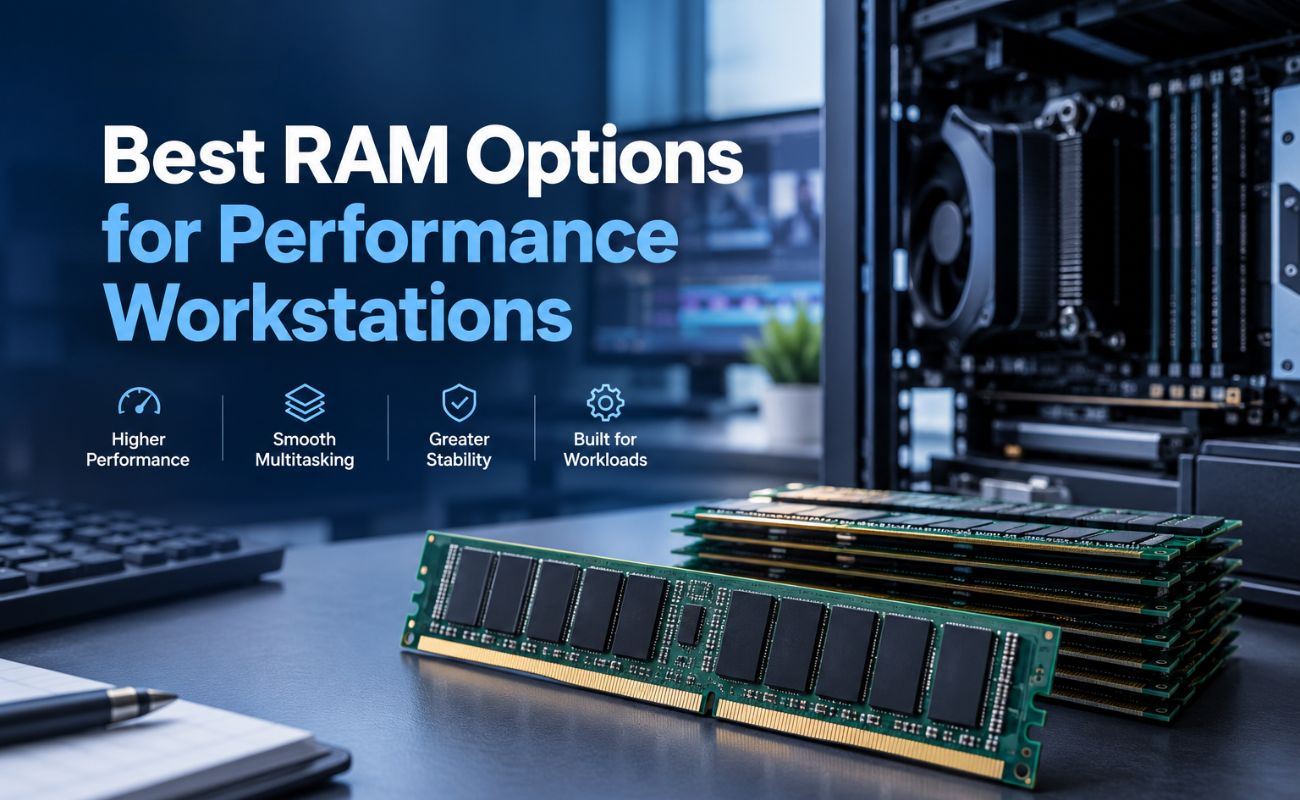
Best RAM Options for Performance Workstations
Best RAM Options for Performance Workstations
Modern performance workstations are built for demanding workloads such as 3D render...

Dual-WAN vs Single-WAN Routers: 6 Key Differences Compared
Modern businesses rely heavily on stable Internet connectivity for cloud applications, communication, online platforms, remote acc...
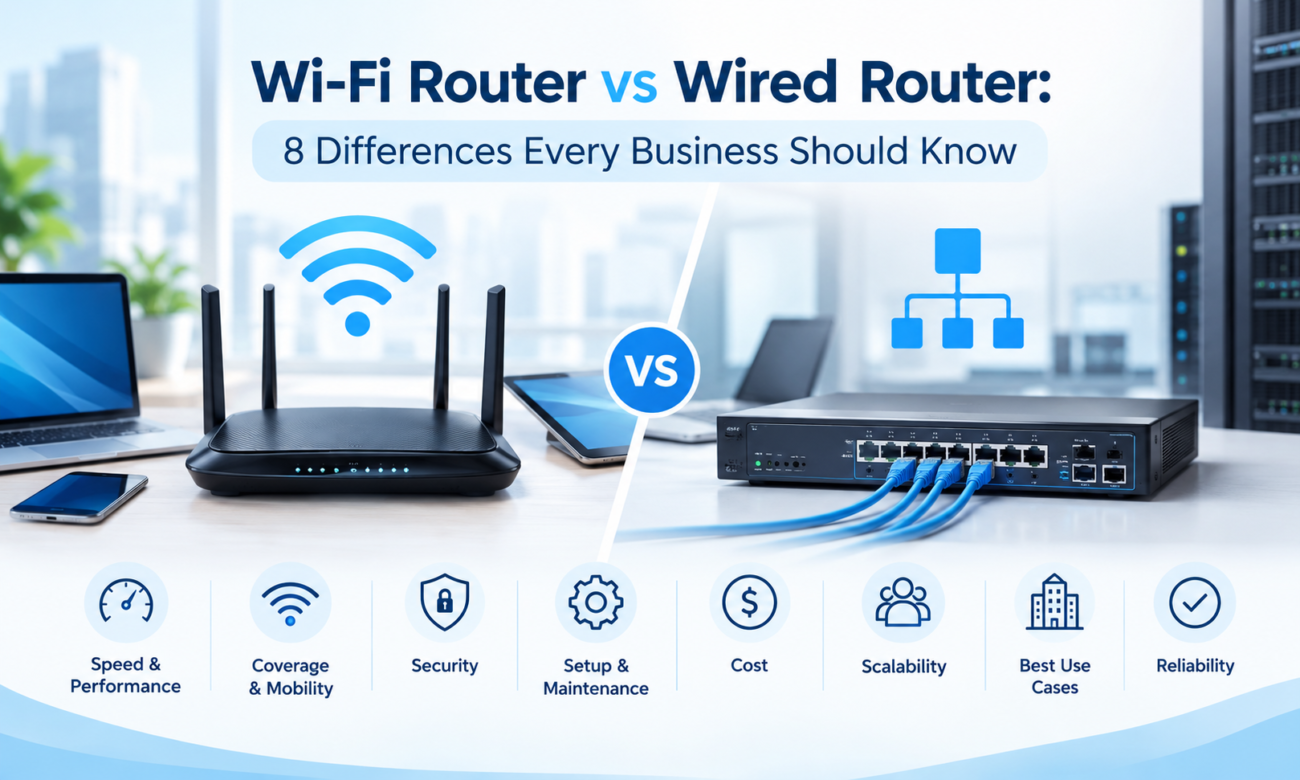
Wi-Fi Router vs Wired Router: 8 Differences Every Business Should Know
Choosing the right networking equipment is an important decision for any business. As organizations become increasingly dependent ...

Storage Buying Guide: 7 Things to Consider Before You Choose
Storage Buying Guide: 7 Things to Consider Before You Choose
Modern businesses generate and manage large amounts of data every da...
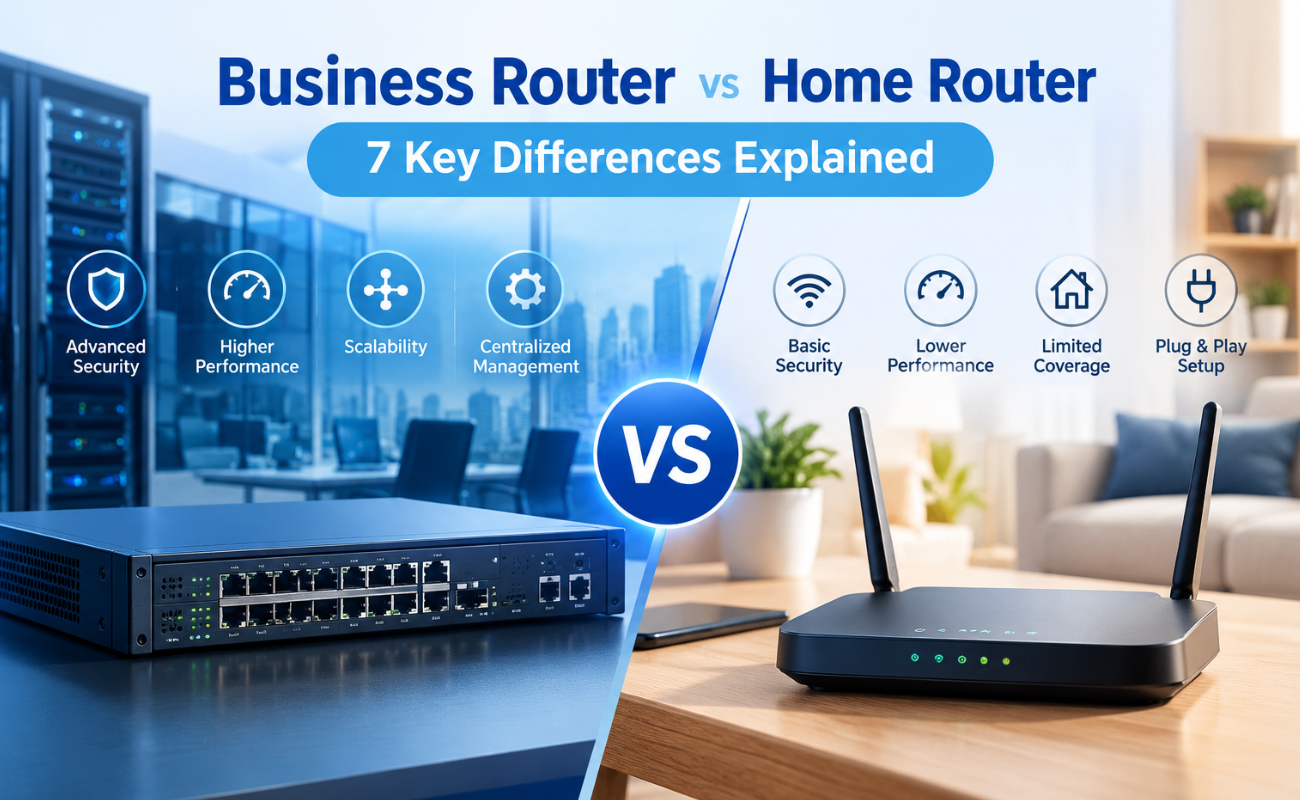
Business Router vs Home Router: 7 Key Differences Explained
Introduction
Choosing the right router can have a major impact on how efficiently a network performs. While home routers are desi...
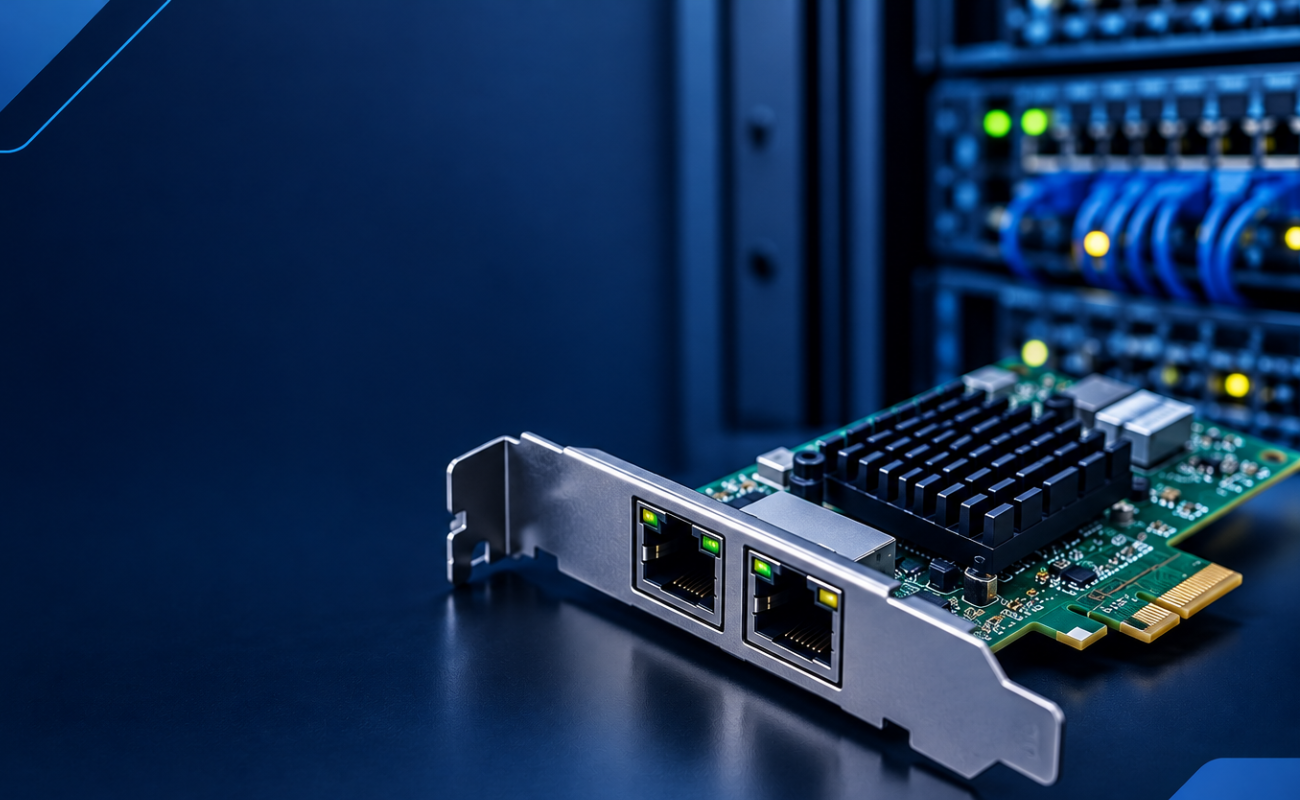
What Is a Network Card and When to Upgrade It?
What Is a Network Card and When to Upgrade It?
In modern business networks, fast and reliable communication between computers, se...

How VLANs Work on Managed Switches: 7 Key Benefits for Business Networks
Introduction
As business networks continue to grow, connecting more devices to the same physical infrastructure can create signif...

How to Choose the Right Firewall for Your Business in 7 Steps
Introduction
Cybersecurity has become a major priority for businesses of every size. From small offices to large enterprises, org...
